Find Your Next Warehouse Space With Less Hassle
The search for a warehouse that has all of the qualities and features your business needs can be exhausting. Considering building requirements, zoning, and key features is often time consuming and stressful. Our team specializes in pairing you with the space that fits your needs.
When you partner with Regent CRE, you’ll get:
- Property Options That Work For You: We’ll get to know your needs so we can assemble the top choices for your business.
- Expert Negotiation: Our extensive negotiation experience means you get the best deal on your property.
- Closing Guidance: We’re here for you – every step of the way.
- More Time: We’ve got your back. We’ll take care of the details, so you can focus on your business.
- More Results, Less Money: Working with an experienced professional doesn’t cost you any extra.
Our clients come back again and again because of our personalized approach and expert market knowledge. Download your free market report today. Don’t see what you’re looking for? Just call us – we’ll find it for you.
Find Warehouse Space
Find the Perfect Warehouse Space in Charlotte, NC
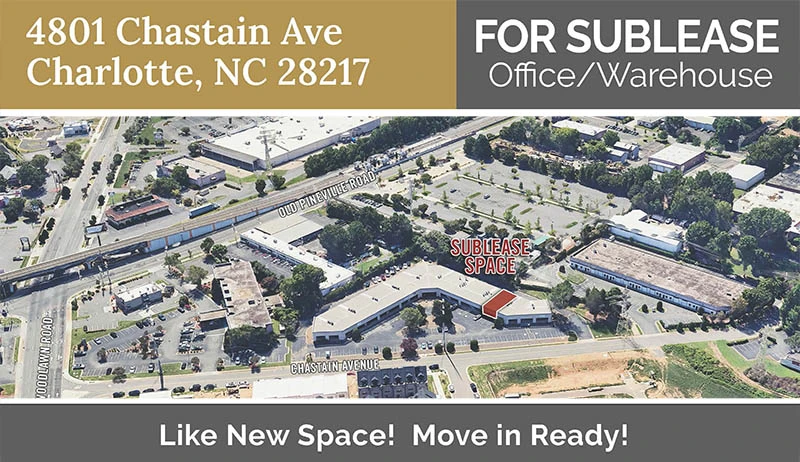
1,535 SF Office/Warehouse Sublease in LoSo – Suite 185, 4801 Chastain Ave, Charlotte NC 28217
Price on call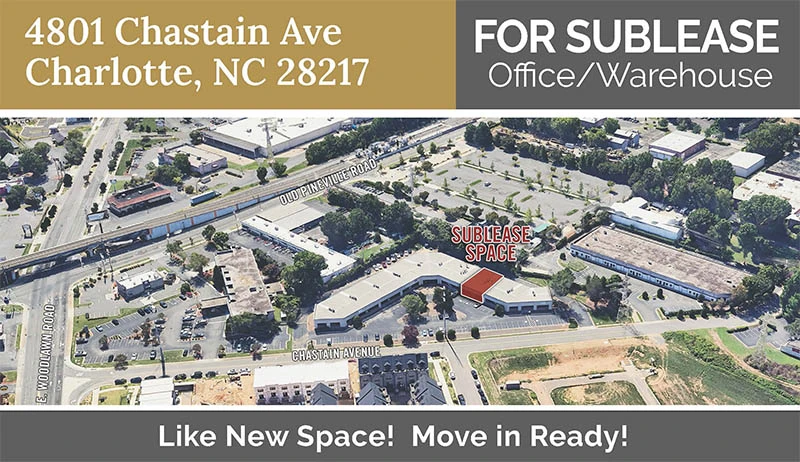
2,935 SF Office & Warehouse Sublease at 4801 Chastain Ave – Prime LoSo Charlotte Location
Price on call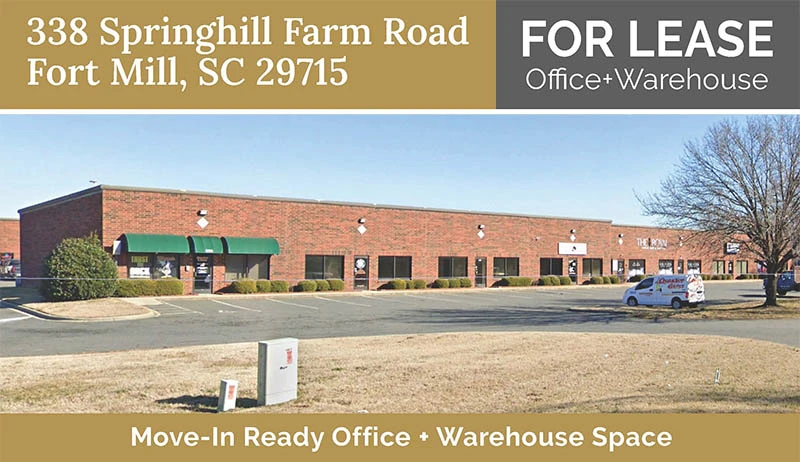
Versatile Office and Warehouse Space for Lease at 338 Springhill Farm Road, Fort Mill, SC 29715
Price on call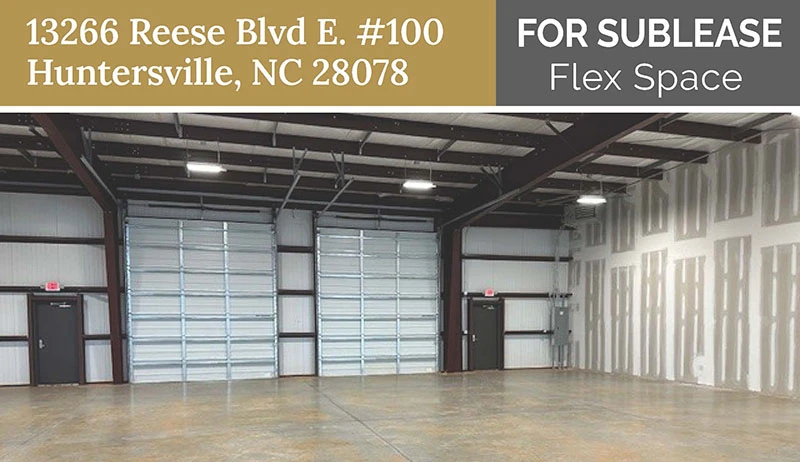
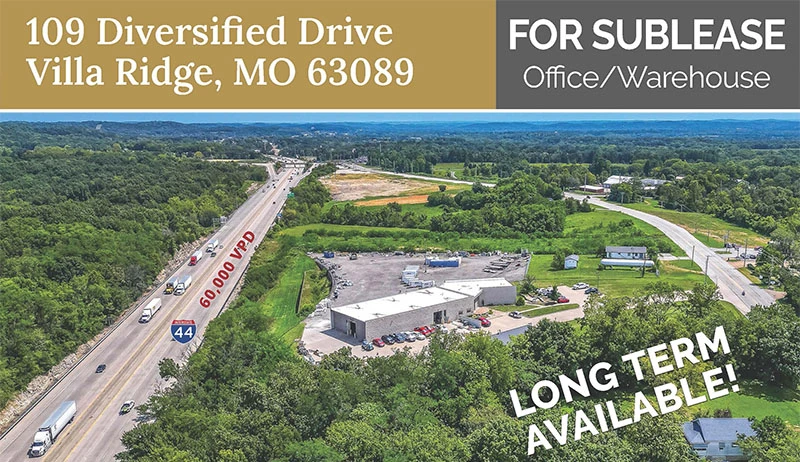

Move-in Ready Prime Office/Warehouse Sublease in West Park X – 4542 L B Mcleod Rd #A1, Orlando, FL 32811
Price on call
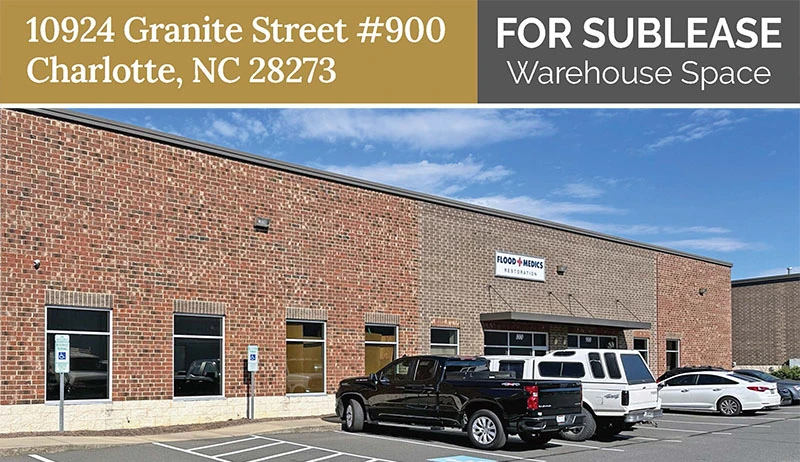
Warehouse Space in Charlotte, NC
The commercial hub of Charlotte, NC and its surrounding cities are teeming with opportunities for industrial businesses to thrive. This fast-growing area offers easy-to-access warehouse buildings centralized around the highways and major ring roads. However, it also boasts affordable spaces outside the city where warehouses can safely and economically store product and still have close access to the busier areas of North and South Carolina.
Warehouse space – unique from general industrial property – is characterized by its specific qualities that make it ideal for storage and fulfillment. Unlike busy distribution centers, warehouse space is tailored to the needs of businesses who are storing product for generally longer periods of time.
The thriving metropolis of Charlotte is not only a beautiful place to live and work, but it also offers a variety of options for warehouse space. It’s close to the Charlotte Douglas International Airport and the Norfolk Southern Rail Intermodal Yard, and also has a vast network of highways and interstates connecting the Charlotte cities to each other as well as to other national hotspots.
Although the busiest parts of the city are no longer flooded with warehouse space (most of these have been transformed through adaptive reuse), there are still plentiful options available for finding the right space for you. Whether you want to be close to the city or prefer to be on the outskirts of town, closer to your workforce, our team at Regent specializes in pairing you with the space that you need for your business to run successfully.
In today’s market, the average lease rates for Charlotte warehouse space are $13 per square foot per year, or $258 per square foot for properties that are for sale.
Areas that have the most options for potential warehouse space include the Airport neighborhood, the Lake Norman area, Harrisburg, Concord, and Kannapolis, and Charlotte North, along the I-85/I-77 corridor.
No matter what needs you have for your warehouse space, our experienced team at Regent Commercial Real Estate is your trusted local realtor for warehouse properties and other commercial spaces.
Warehouse Vs. Distribution – What’s the Difference?
Warehouse and distribution industrial properties often get looped together. While there are certainly similarities in these types of industrial buildings, they generally have different uses. This means that they also have different and unique features.
So what’s the difference between warehouse and distribution, and what should you look for?
What is warehouse real estate?
A warehouse is a property that holds items. These types of buildings are typically used for storing goods for longer periods of time. In other words, warehouse implies that a product is sitting.
Depending on the usage, product might sit in a warehouse for years.
Some examples of items that are stored in warehouse space could include old military parts, airplane parts, and other types of inventory storage.
There are also warehouses that hold items for other companies. For example, a warehouse could hold medical record data files (which must be stored for a period of time due to law requirements) for a medical group.
Other goods that might be stored in a warehouse for periods of time include:
- Raw materials
- Spare parts
- Inventory overflow
- Work-in-progress (WIP) materials
- Finished goods


What is distribution real estate?
On the other side, distribution space is used for the purpose of getting product in and back out. In other words, distribution centers are constantly moving. Product is coming and going and is not regularly sitting for very long.
Distribution centers are essentially a landing place for products and are used for the flow of goods. In these logistics operations centers, orders are often assembled, packed, shipped, and fulfilled, and then moved along to customers.
Examples of businesses that use distribution real estate include retailers such as Walmart, Costco, and Lowe’s.
Differences between warehouse and distribution buildings
Because warehouse and distribution spaces are used for different functions, they also have different features.
Both types of industrial space listings usually have a large amount of total square footage and also have dock high doors.
Warehouse buildings, though, usually have only a few dock doors. Since the idea is for the product to be sitting, there’s no use taking up space in the building with numerous loading docks. With warehouses, the people inside are usually assembling or making things, rather than constantly shipping them out, so the items come out slowly. Because of this, it’s not effective or prudent to have the space utilized for numerous dock doors that aren’t needed.
On the other hand, distribution buildings need many dock doors – sometimes dozens – because they want to get as many trucks in and out as possible. Since product is constantly coming and going, operational efficiency is key. This typically requires many dock doors, often a drive-in door or two, and plenty of parking space for the trucks that are always coming, loading, and going.
Distribution centers also tend to have a higher clear height than warehouses in order to maximize the square footage.
One other category that sometimes gets lumped in when considering industrial space is service centers. These types of industrial buildings are smaller and are used for purposes such as truck repair. They tend to have bay doors and yard or parking space along with the building.

What our clients are saying



What You Should Know About Warehouse Space Before Leasing or Buying
On the other side, distribution space is used for the purpose of getting product in and back out. In other words, distribution centers are constantly moving. Product is coming and going and is not regularly sitting for very long.
Distribution centers are essentially a landing place for products and are used for the flow of goods. Here, orders are often assembled, packed, shipped, and fulfilled, and then moved along to customers.
Examples of businesses that use distribution real estate include retailers such as Walmart, Costco, and Lowe’s.
Building class
Real estate is generally grouped into three classes: Class A, Class B, and Class C. These categories help to give an idea of the quality, features, age, and location of the building.
Properties that are newer, are in prime locations, and/or have top-grade features are usually grouped in Class A.
Class C largely consists of older properties that often need some improvements or updates, or may be in less desirable locations.
And Class B is anything in between.
Usually, warehousing tends to be made up of Class B and Class C buildings. This is because the newer buildings are usually more distribution related.
Most companies who build new buildings do so because they can’t find quite what they need, or they want to have the latest and greatest features. These might include excess trailer parking, being right next to the interstate, private offices, or higher ceiling height with state-of-the-art, ESFR sprinkler systems.
Most businesses that are looking for warehouse space don’t necessarily need all of the latest and greatest features. In many cases, they also don’t need to be in prime locations. For this reason, Class B and Class C space will usually get the job done at a more affordable price.


Building size
Typical warehouse buildings are going to be around 20,000 square feet or more. In general, they are larger than flex space buildings.
Distribution buildings also tend to be taller than other industrial spaces, providing higher clear heights with modern sprinklers. The whole idea with these buildings is to maximize cubic square footage.
For warehouses, high ceilings aren’t usually as important, so warehouses tend to be older and not as tall as distribution buildings.
Sprinklers and power requirements
And speaking of sprinklers…
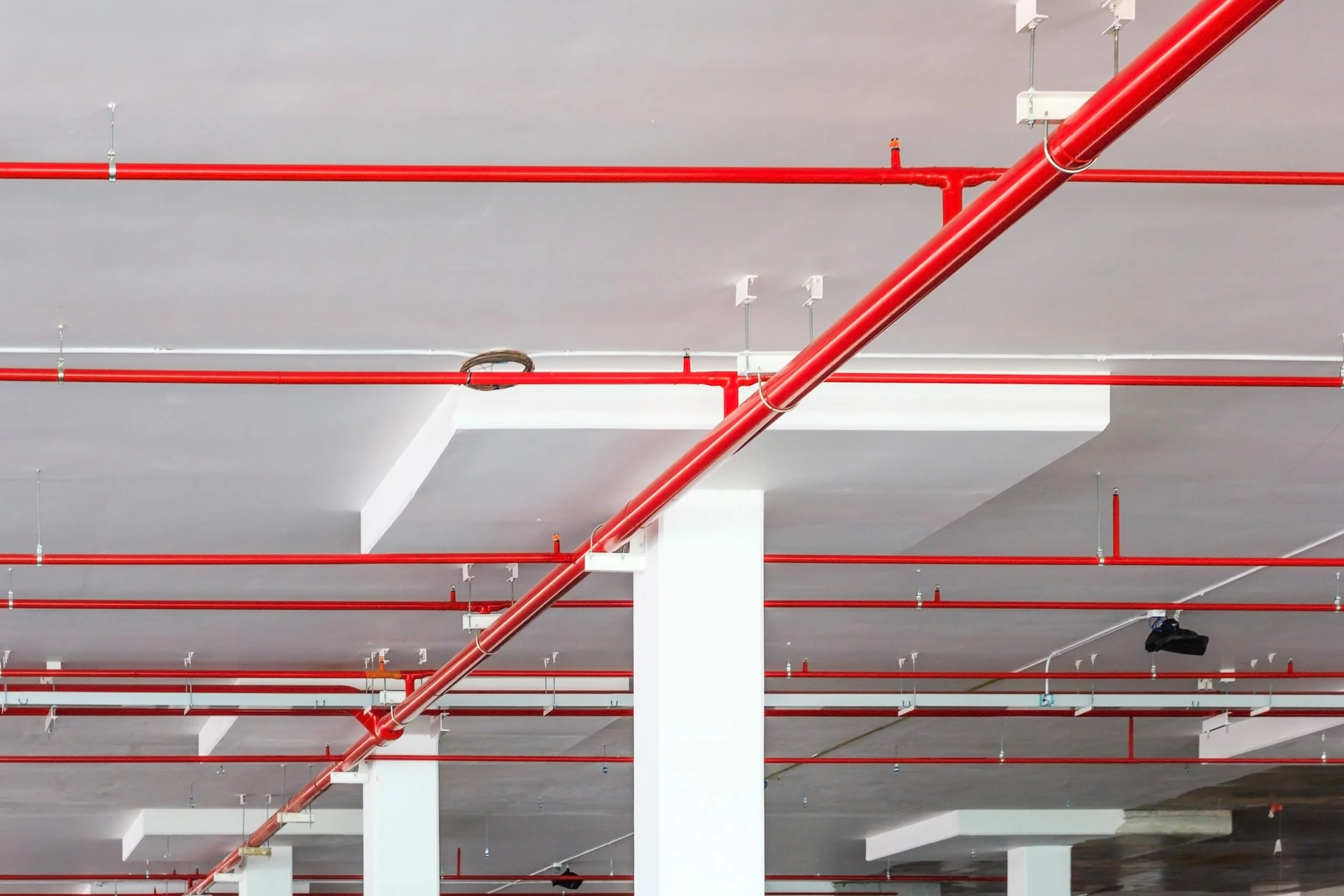
Commercial real estate spaces are required to have automatic fire sprinkler systems installed. A wet sprinkler, or wet pipe system, is a basic sprinkler system that’s commonly installed in warehouses.
Newer buildings or industrial buildings that need a higher vertical racking height often have ESFR sprinklers.
Power requirements for warehouse buildings are normally lower than for industrial buildings. This is because they’re largely just storing product, so a lot of power isn’t necessarily needed.
Loading capabilities
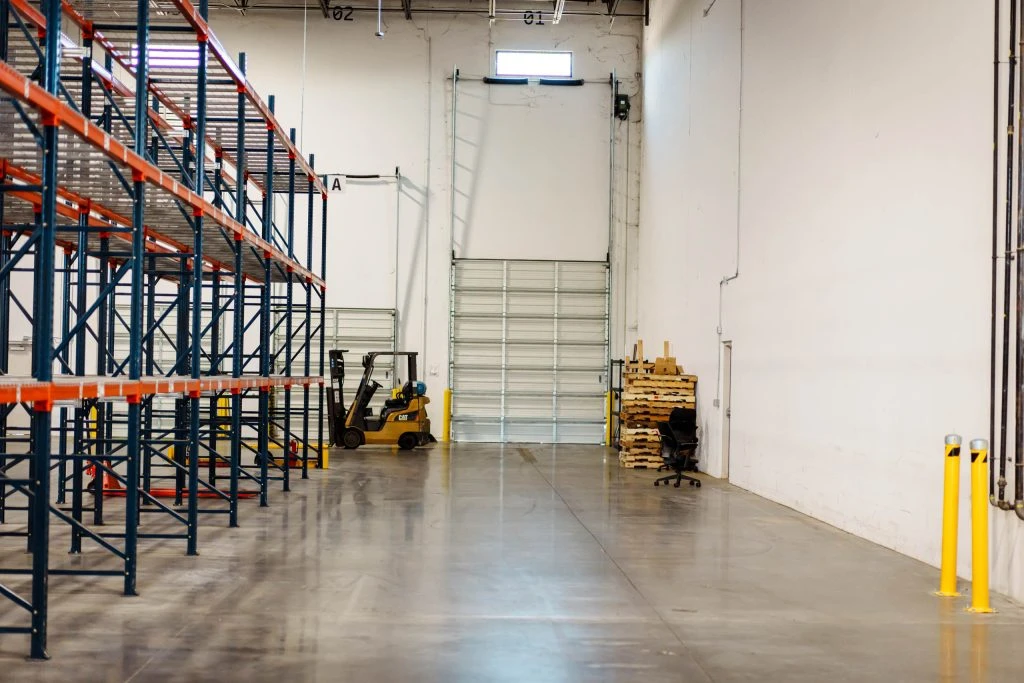
It’s important to check into both indoor and outdoor loading capabilities before closing on a warehouse. Indoors, warehouses racking systems can range from 8′-24′, with newer buildings typically providing higher clear heights.
Warehouses also have different floor load capacities, which designate the amount of weight an area of floor can safely support. This is usually measured in pounds per square foot (psf). In most warehouses, 125 psf is common for light warehousing, while 250 psf is generally required for heavy manufacturing storage warehouses. Floor load capacities vary based on a number of factors, including floor material thickness, room dimensions, and the type of load it will bear (static or dynamic).
Within each warehouse you’ll also find different loading dock options, including both the height and amount of docks. 48″-52″ is fairly standard in the U.S., but this can also vary.
Within each business, the need for different clear heights, floor load capacities, loading dock options, indoor equipment storage, and parking lot size will vary depending on transaction volumes, the type of products stored, and more.
Security
What does security look like for warehouse properties?
Generally, these properties tend to have an exterior fence. They might also have barbed wire or razor wire on top to prevent intruders from scaling the fence.
Inside the fence, there’s typically security exterior lighting along with exterior cameras. Alarm systems are also standard.


Zoning
Industrial space is broken up into light industrial and heavy industrial zoning.
Light industrial, as you would guess, is normally for lighter usage. Factories, small shops, auto repair centers, and other consumer-related businesses are usually in light industrial zoning.
Buildings with heavy industrial zoning are often causing more noise and air pollution. These might include chemical plants, power plants, or large construction buildings.
For warehouse spacing, you usually won’t need to worry about the way the property is zoned. Since warehouses are used for products to sit in, there isn’t much air pollution or noise to worry about. Either zone will work for most businesses looking for warehouse space.
Parking
The difference in parking spaces can be major when comparing warehouse real estate to distribution-oriented properties.
Distribution properties are set up to have trucks constantly going in and out. This means that not only are you going to have a lot of dock doors, but you’ll also find heavy trailer parking and automotive parking. Some newer buildings have a trailer parking spot for every dock door on the building. In addition, there’s generally plenty of automotive parking to go along with it.
Since warehouse space naturally will not have nearly as many trucks going in and out, the parking requirements tend to be much lower for these properties. And not only is there probably minimal trailer parking, but usually, automotive parking isn’t as important either.
Keep in mind, additionally, that warehouses don’t tend to have as many employees working as distribution facilities do, so there doesn’t need to be an excessive amount of employee parking in most cases.


Office area
Warehouse offices are different from traditional offices in that they’re typically more oriented to the specific functions of the building. Many warehouses have fairly limited office space, since the buildings are generally used more for storage than for day-to-day tasks.
Unlike traditional new offices with creative spaces, private office suites, or collaboration hubs, warehouse offices are administrative areas that often have attached storage shelving areas for managing physical inventory, or are located close to production and distribution areas to make it easy for employees to move back and forth between tasks as needed.
The specific office needs of a business may depend on the workload for administrative tasks, whether the company needs collaborative space for meetings, and the amount (if any) of shelving needed for sensitive items or data.
Typically, only a small percentage (~10% or less) of a warehouse building is used for office space.
Other requirements
In general, requirements for warehouse spaces tend to be a bit lower than for industrial space. This is largely because the number of people in the building is usually lower. Rather than having many people inside working forklifts and moving product around, some warehouses only have one person working. Often, they’re very low human occupancy buildings.
This means that requirements such as heating, parking, power, and even amenities like bathrooms may all be less.

What Are Third-Party Logistics (3PL)?
In most cases, those looking for warehouse real estate are going to be buying or leasing out the entire warehouse. This is certainly different from office space and flex space, where many companies are just renting out part of a shared building to get the office spaces that they need.
The exception to this is something called third-party logistics (3PL).
A third-party logistics warehouse is essentially a middleman who can provide a number of services to companies that use warehouse space. One service they offer is renting out chunks of space in a warehouse to separate businesses.
However, third-party logistics can also offer many other services, such as inventory management, picking and packing, shipping and receiving, freight forwarding, returns, and more.
Third-party logistics companies are often used by e-commerce businesses to help with storage of products, order fulfillment, transportation, and processing returns. They supply a central inventory location, which can streamline tasks as well as cut down on costs for the businesses who use them.
Third-party logistics (3PL) are sometimes also referred to as fulfillment centers, fulfillment warehouses, or order fulfillment companies.


Data Centers/Server Buildings
A specialized type of warehouse real estate are data centers, also called server buildings. This type of warehouse is a physical location, but instead of storing what you would think of as regular warehouse goods, it stores computer machinery and hardware.
Near Charlotte, there are Apple and Google data centers in the Black Mountain area.
Data centers have special requirements. While they’re mostly gigantic buildings with very few people working inside, the data inside these buildings requires very special care.
The types of features that these buildings require often include many solar panels, elevated floors for wiring, special fire extinguishers that will not damage the hardware, high-level security, and uninterrupted power supply. They’re also generally located in places where electricity is fairly inexpensive.
Location for Warehouses
The greater Charlotte MSA offers a variety of options for industrial listings, including warehouse real estate. There are numerous reasons to consider the Charlotte area when searching for available warehouses.
The convenience of the close proximity to many major highways is one popular reason why many people choose to be in this bustling area of North Carolina. The Charlotte market also offers convenient access to the Charlotte Douglas International Airport, one of the top five airports for domestic connectivity. This makes it easy for business professionals to conveniently travel, whether domestically or internationally.
In addition, the Charlotte area boasts healthy economic growth, and it continues to be a promising area for both growing and established businesses.
Distribution centers who have product coming and going often tend to search for available Charlotte warehouses that are on a major interstate, such as I-85, I-485, or I-77.
Manufacturing-based warehouses, on the other hand, are often found in more rural areas, such as Oakboro or York. Although these facilities aren’t necessarily as convenient to the major highways, they are conveniently located close to segments of the population who are more likely to work in warehousing. This is an important factor to consider when choosing a space. Where is your labor force?


The Charlotte Regional Intermodal Facility
For businesses who transport numerous loads, the Charlotte Regional Intermodal Facility offers a brilliant solution for reliable, efficient transportation both nationally and internationally.
As industrial and warehouse transportation needs have increased among the greater Charlotte area, the Norfolk Southern Rail recognized the need to expand from its 40-acre location near the center of the city.
In 2014, the 200-acre Charlotte Regional Intermodal Facility was built just 5 miles away from Uptown and right next to the Charlotte Douglas International Airport. This new, larger terminal has provided unmatched solutions for industrial businesses across nearly every industry – from agriculture to automotive to government, and many more.
Operating across 22 states, the Norfolk Southern Rail connects 800 industrial sites, 175 warehouses, and 43 ports in its 19,500 total miles. The Norfolk Southern Rail’s commitment to sustainability and reliability has made its presence in metro Charlotte an invaluable resource for countless businesses.
While not every warehouse needs this transportation option, for those who do, properties in close proximity to the Airport neighborhood and the intermodal facility can be a significant boost to business success.
Location advice for finding a warehouse
As a trusted leader in the Charlotte commercial real estate market, we meet with many clients who are searching for the right real estate. When a client is looking for just the right property, one of the first steps is to determine the location we’re going to hone in on.
For many companies, transit time isn’t necessarily a key factor in the warehousing sphere. In other words, unless you’re shipping and receiving many loads per day, convenient proximity to the highway isn’t usually the most important factor.
If this is the case, we recommend looking in more rural areas, as properties in these areas tend to be significantly less costly, and you can get more square feet of warehouse space for the money. If you don’t need quick access to the interstate or to a labor force, it often makes more economic sense to store your product for much less in a more rural area.

Should You Buy or Lease?
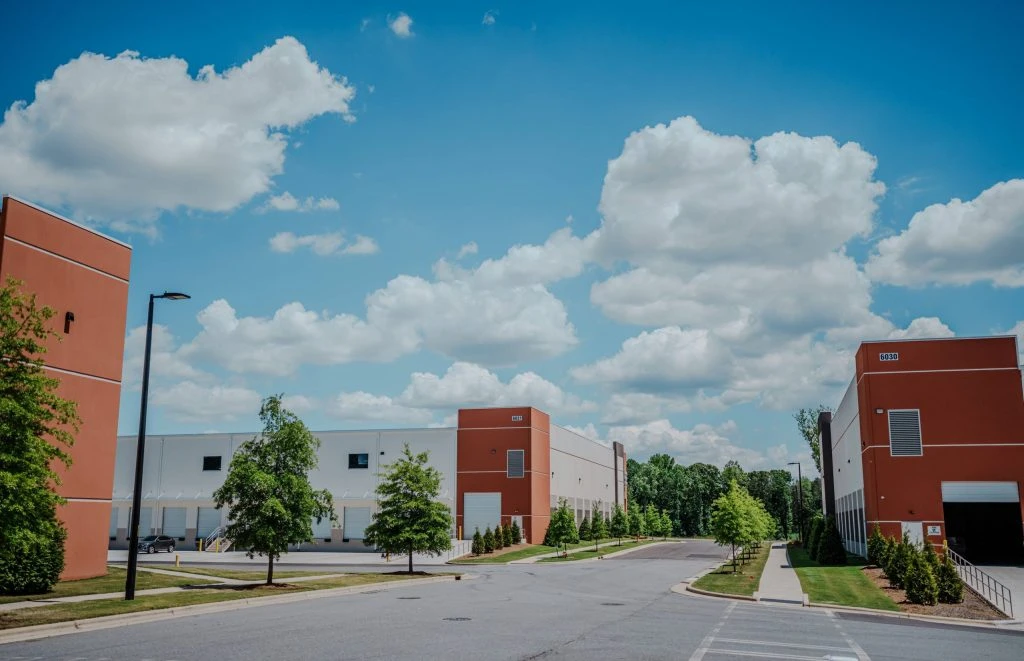
Warehouse space is available both for purchase and for lease. Every business is unique, and the decision to lease or buy is another important detail that we discuss with our clients as we search for the right warehouse space.
But how do you decide?
Buying warehouse space
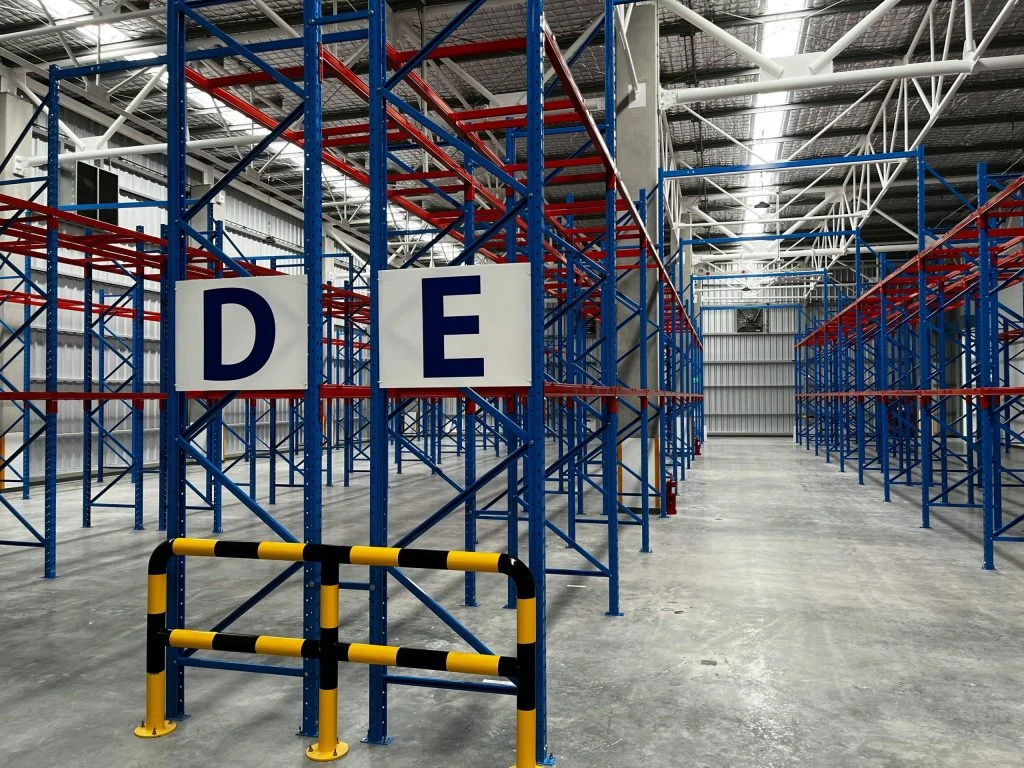
While warehouse leases are typically set for 5-10 years, buying warehouse spaces gives you long-term ownership, potentially providing more security for companies who don’t expect significant changes in the business or property use in the near future.
When you buy warehouse space, you have total jurisdiction over how to use the space. There’s no landlord in control, so any customizations that the business wants to make to the property are fair game.
In addition, you don’t have to worry about the landlord deciding to sell at the wrong time.
Perhaps the most important positive component of buying warehouse space includes the opportunity for the investment to appreciate over time. Although buying is certainly more of a long-term commitment, a sale agreement means that the business gets to enjoy tax benefits and build equity. Now, the building becomes a financial asset rather than simply a monthly expense.
Another positive element of owning your space is that you have full authority over how it’s used. If there are portions of unused space in the building, these could become rentable square feet that generate additional profit and allow for flexibility in regards to the company’s needs.
Of course, there are weighty cons of buying a space too – one of the greatest being that buying warehouse space requires significant capital upfront. In addition, you’ll be responsible for all of the maintenance, and it might be more difficult to move in the future if you need to expand or try out a different location.
Leasing warehouse space
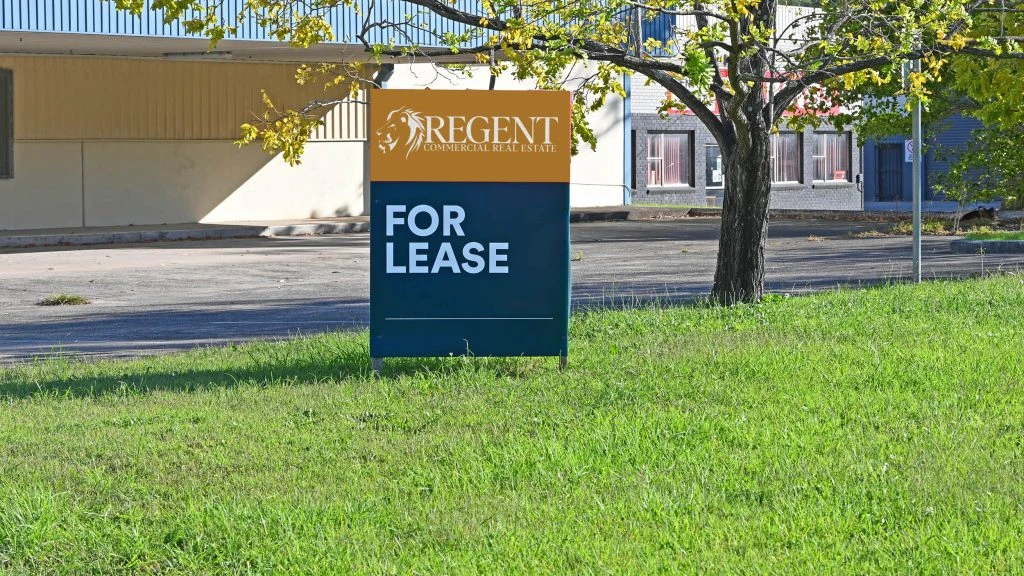
The main benefit to leasing is that the initial cost is astronomically less. For many businesses, monthly lease payments are much more economical than buying a whole building. Leasing provides flexibility, an easier move if the location doesn’t work out, and usually, building maintenance is taken care of by the landlord.
Especially for smaller or newer businesses, leasing offers the flexibility needed to be able to operate efficiently. Lease length, location, and size of the building are not factors that companies have to lock into for an extended period of time when leasing a building as opposed to buying.
While leasing warehouse space isn’t a light decision, it certainly doesn’t require the same amount of long-term commitment as a building purchase.
Unfortunately, the cons of leasing are that you don’t have control over the price of the lease and whether it increases over time, you don’t build equity, and there may be limitations as to what you can do with the building and property.
All of these considerations are important to take into account when deciding whether you will lease or buy warehouse space.
Warehouse Lease Types
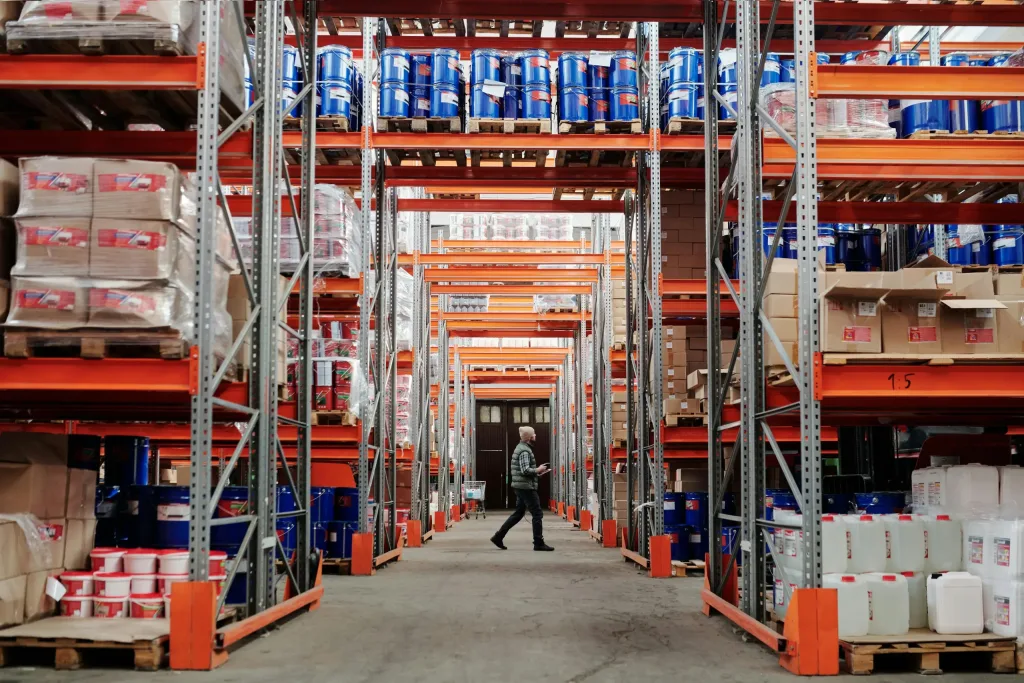
No matter what lease structure you’re under, it’s important to have a thorough understanding of the fine print. The best way to do this is to have an experienced broker on your side who can help you negotiate to get the best deal possible, as well as to make sure you don’t run into any unwanted surprises a few months down the road.
In addition to understanding the differences that come with each lease type, make sure you go over important lease clauses, including:
- The lease term and renewal options. Find out about lease termination options, too – just in case.
- Rent escalation. How often can the landlord increase the rental rate, and by what amount?
- Maintenance and repairs. Who’s responsible? Is there a tenant improvement allowance?
- Use clause and option to sublease. What activities are permitted on the property? Is subleasing all of part of the space an option, if necessary?
Default and termination. In addition to whether or not there’s a termination fee, find out what is outlined in the responsibilities of the landlord. Failure for the landlord to maintain the property adequately may also result in the opportunity for a tenant to be released from the lease agreement.
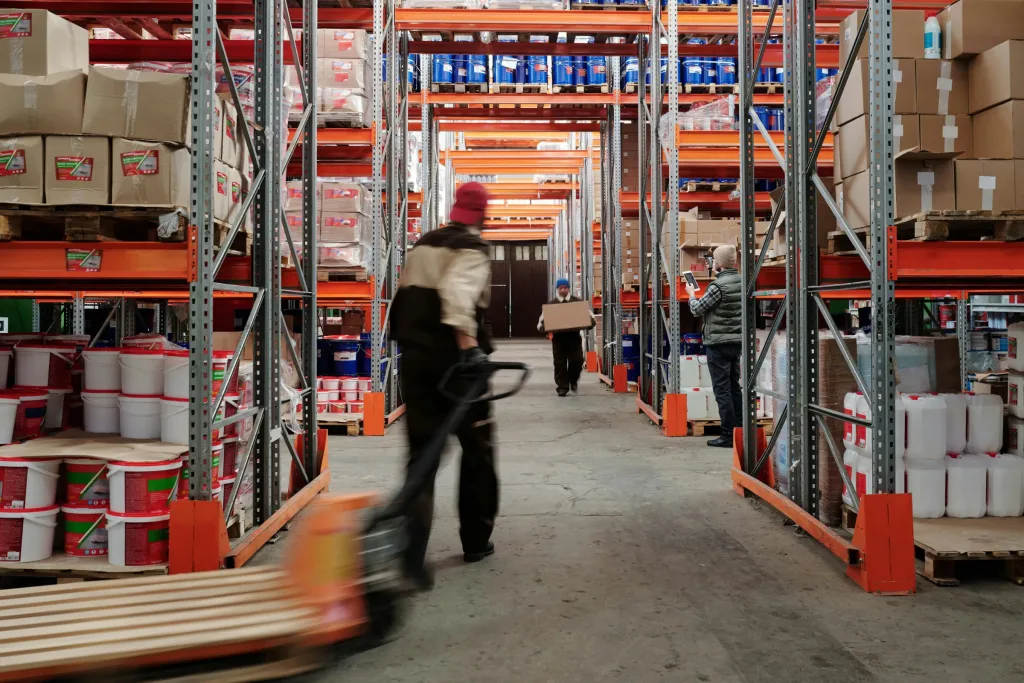
No matter what lease structure you’re under, it’s important to have a thorough understanding of the fine print. The best way to do this is to have an experienced broker on your side who can help you negotiate to get the best deal possible, as well as to make sure you don’t run into any unwanted surprises a few months down the road.
In addition to understanding the differences that come with each lease type, make sure you go over important lease clauses, including:
- The lease term and renewal options. Find out about lease termination options, too – just in case.
- Rent escalation. How often can the landlord increase the rental rate, and by what amount?
- Maintenance and repairs. Who’s responsible? Is there a tenant improvement allowance?
- Use clause and option to sublease. What activities are permitted on the property? Is subleasing all of part of the space an option, if necessary?
Default and termination. In addition to whether or not there’s a termination fee, find out what is outlined in the responsibilities of the landlord. Failure for the landlord to maintain the property adequately may also result in the opportunity for a tenant to be released from the lease agreement.
Top Trends in Warehouse Space
As the economic climate continues to morph across business sectors, more warehouse spaces are focusing on trends such as green certifications, human-centric building designs, warehouse automation, and small-bay warehouses. These warehouse trends are promoting competitive lease options as tenants search for high quality commercial properties in the greater Charlotte area and beyond.

Green certifications and sustainability
For warehouses and industrial space, sustainability and energy-efficient spaces are becoming more popular in Charlotte NC areas, across North America, and around the world.
Warehouses minimize their environmental impact by installing more energy-efficient systems, using automatic lighting and climate control, reducing waste, capitalizing on renewable energy, streamlining inventory management, and using sustainable building materials, to name a few areas.
One significant way that modern warehouses promote sustainability is by focusing on lighting. One statistic found that heating and lighting makes up 76% of the power consumption in an average warehouse. One consequential way that newer warehouses are combatting this is by installing solar panels. Since most warehouses are single story and have huge roofs providing many square feet of space, solar panels can be quite effective, and can actually produce more power than the building even needs.
Currently, Silfab Solar Inc., a solar cell manufacturing facility, is in the midst of a local appeal to manufacture solar panels in Fort Mill, SC near Charlotte.
Although solar panels aren’t widely accepted everywhere, they’re certainly gaining traction in the U.S. and around the world.
Human-centric features
Younger retirement ages, an aging workforce, and increased unemployment benefits are just a few of the factors that are leading to a shrinking workforce. In the blue collar sectors especially, labor is in short supply.
The U.S. Chamber of Commerce recently reported that there are 8 million job openings in the U.S., while we only have 6.8 million unemployed workers.
This labor shortage has been a major factor in the demand for increased amenities across many types of spaces – including warehouses. And despite increased automation in warehousing, there’s still a significant human element that demands laborers to fill the positions.
This labor crisis has led to an increase in human-centric features and amenities in warehouses and other commercial property types.
Some amenities that are becoming more popular in warehouse rental properties include:
- Electric vehicle charging stations
- Comfortable lounge and eating areas
- Yoga or gym facilities on site
- Reliable public WiFi
- Outdoor recreation areas

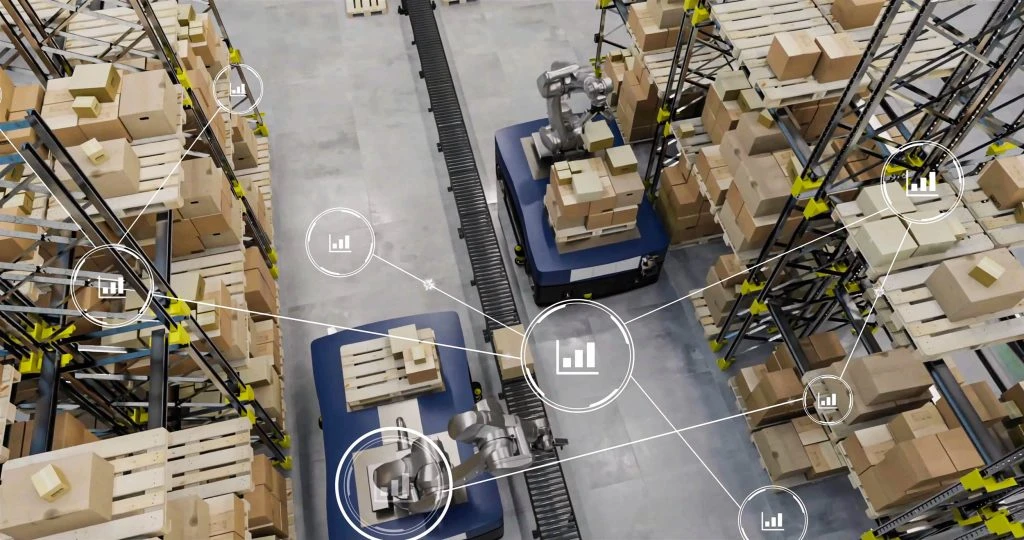
Warehouse automation
As automation options increase, warehouses are capitalizing on many mechanization options that increase productivity and profitability, cut down on labor-intensive tasks, promote warehouse safety, and overall contribute to streamlining the specific needs of the business.
According to Exotec, the global warehouse automation market is skyrocketing, and is expected to hit $30 billion by 2026.
Popular technologies across warehouse spaces include automated material handling equipment, automated guided vehicles, advanced mobile robots and drones, inventory management systems, integration of 5G, hefty security measures, and other distribution technology.
Automation in warehouses can improve storage solutions, transportation of goods, product retrieval, and other tasks, cutting down on manual labor and improving efficiency in the workplace.
Small-bay warehouses
While large industrial buildings have made up the majority of the warehouse sector for many years, recently, there’s been a push for small-bay warehouses – light industrial spaces that are generally under 100,000 sq ft.
As the needs of the economy have shifted, small-bay warehouses are becoming highly sought-after by various business tenants including e-commerce companies, auto repair garages, tech startups, and other small businesses.
In the local market of Charlotte, many older industrial buildings are being transformed into small-bay warehouses. High construction costs make it easier to convert older, available space into high-quality small bay buildings. In addition, these spaces are often located in urban locations that provide greater transportation options. Their excellent connectivity opportunities make them ideal for reaching more customers efficiently.
While the urban, city-center areas of Charlotte are one of the top markets for these improved warehouse spaces, we’re also seeing a shift as these industrial options expand into more suburban locations a bit further outside of the metro area.

Shared warehouses
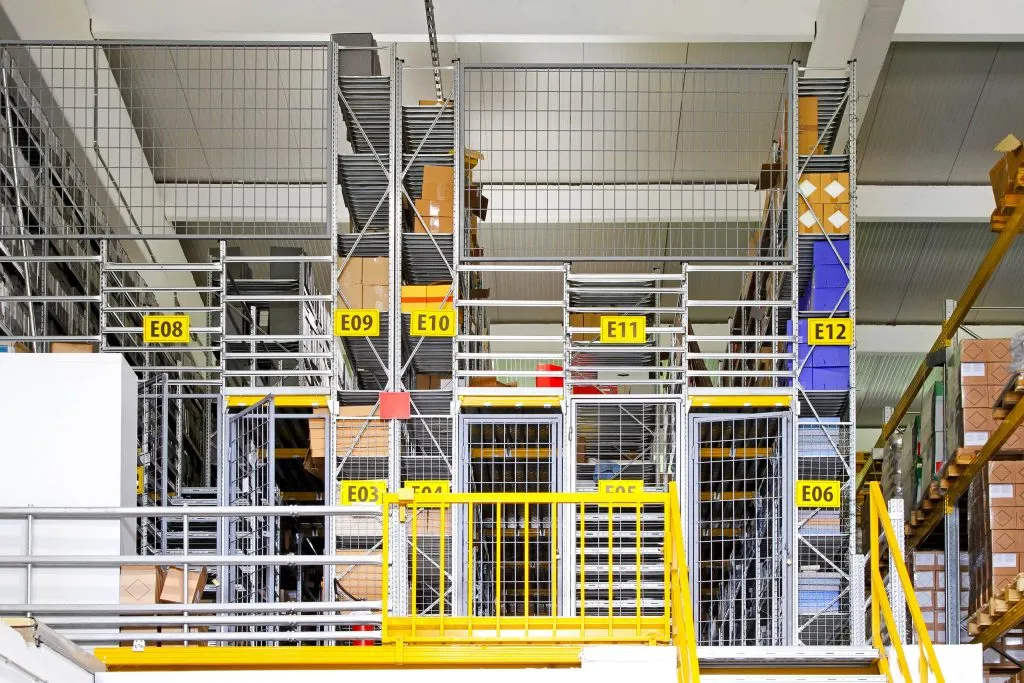
In recent years, we’ve seen a push for shared warehouses, especially in the wake of the e-commerce boom. Shared warehouses, or multi-client warehouses, are—as the name implies—warehouses that are shared by more than one business.
The main reason why companies are choosing shared warehouses is because of the cost savings of sharing rent with one or more other businesses. Many users find that they don’t need an entire building, and sharing space with other tenants is an incredibly effective way to slash expenses. In addition to lower rent and operational expenses, shared warehouses often offer more advanced technology, such as warehouse management systems, and additional services such as labeling, repackaging, and assembling.
In addition to cost savings, shared warehouses can provide more flexibility for companies who have changing needs throughout the year. For example, holiday-oriented businesses or any companies that sell a significant amount of seasonal products may be able to take over more or less of the space as needed throughout the calendar year.
Another benefit of shared warehouses is that they typically come set up and ready for use. This existing infrastructure makes it easy for businesses to get in and get right to work. Loading equipment, security systems, pallet-racking infrastructure, and meeting spaces are often ready to go.
Lastly, shared warehouses generally have shorter lease terms, giving more flexibility to the changing needs of smaller companies. Instead of a typical 3-10-year lease, shared warehouses often offer 1-3-year leases instead.
Shared warehouses are often used by startups, seasonal businesses, online retailers, and third-party logistics providers (3PLs).
Warehouse Space in the Charlotte MSA Neighborhoods
Whether you’re familiar with the greater Charlotte area or not, it can be overwhelming to figure out where to start looking for properties. Each neighborhood has its own unique market with its own pros and cons.
Our team has spent decades understanding the real estate landscape of the Charlotte area. Here’s what you need to know about buying or leasing warehouse space in some of the most popular neighborhoods.


1. Warehouse Space in Uptown Charlotte/Central Business District (CBD)
Uptown Charlotte – which is actually the downtown area of this bustling city – is a busy area that’s full of retail space, restaurants, and office space more than warehouses. Uptown Charlotte is also referred to as the Central Business District (CBD), and rightfully so! Here, you’ll find a large corporate scene, as well as some parks, museums, and modern architecture. Uptown Charlotte is broken up into four main quadrants, or wards (called First Ward, Second Ward, Third Ward, and Fourth Ward) which are separated by the intersection of Trade and Tryon streets.
Because Uptown Charlotte has so much office space and is full of business happenings, it’s not an ideal place for warehouse space. Most of the large, industrial buildings that used to live downtown have been either torn down to make space for other businesses, or they’ve been converted into other things.
It’s all for the best, though, because warehouse space in the Central Business District would likely be unaffordable anyway. As you move out of the downtown area, you’ll find more affordable warehouse space that will become a better asset for your business.
2. Warehouse Space in South End and Midtown
South End and Midtown – located on the south side of the city – are again a little too close to have lots of industrial space options. Most of the warehouses in South End and Midtown are being converted through a process called “adaptive reuse“. This is simply the process of repurposing buildings and structures. Many of the existing warehouse spaces in these cities are now being turned into breweries and other gathering spots.
You can, however, find a few warehouse property options in this space. In these cities, there are options for both properties that are for sale and for lease. In general, the properties that are for least tend to be smaller (under 10,000 square feet), while some for sale properties are close to 30,000 square feet.
The average price of properties for lease in these cities is $26/sf/yr. The average price of properties for sale in this area is $385/sf. These are largely Class C properties that are older buildings (50+ years old).

3. Warehouse Space in Ballantyne and Blakeney
This area of North Carolina, which is nudged up against the South Carolina border, is filled with retail space, residential living, and offices. It’s an affluent area that’s excellent for family living, dining, and shopping. This area boasts good schools, low crime rates, and plenty of options for shopping and entertainment – including an outdoor mall.
You’ll be hard pressed to find industrial or warehouse space in Ballantyne or Blakeney. Because industrial space is so sparse here, businesses who want to find industrial real estate close to these cities will have better luck in Pineville, Indian Land, Fort Mill, or Matthews.
4. Warehouse Space in Airport Neighborhood
The Airport Neighborhood near Charlotte is a hub for transportation, which makes it an excellent option for industrial space.
This area is home to the Charlotte Douglas International Airport as well as the Norfolk Southern Rail Intermodal Yard. This means that it is not only a convenient place to be for business travelers, but it’s also a prime location for providing easy access to any industrial businesses or manufacturing facilities who are shipping product or parts in and out.
Although the landscape of this southwest area is truly dotted with warehouse space options, Wilkinson Boulevard, Stuart Andrew Boulevard, and Griffith Road are some of the most popular streets that have warehouse space available. Spaces for lease are also much more readily available than warehouse space for sale in this neighborhood.
If you’re looking to lease space in this convenient area, you can expect to pay around $15/sf/yr. These buildings range from about 1,000 square feet to 44,000 square feet, so there are a variety of different sizes, features, and types of spaces from which to choose. Warehouse properties for sale in this area cost about $300/sf.
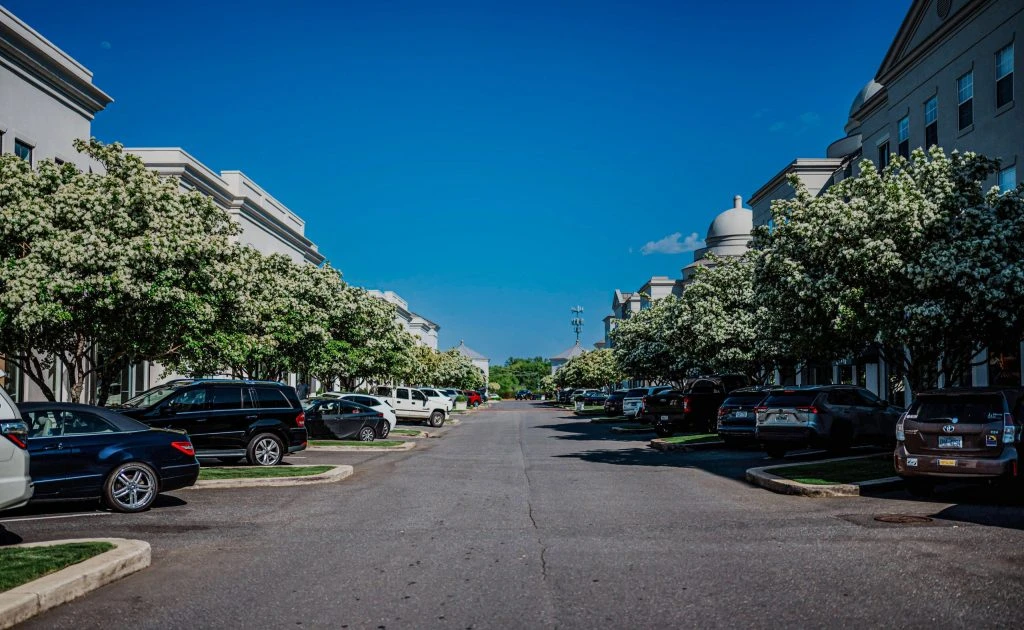
5. Warehouse Space in SouthPark
SouthPark is another area that’s much better known for its business happenings, upscale living, and entertainment rather than warehousing. It’s a great location for upscale shopping (featuring the SouthPark Mall), and tends to attract professionals and decision makers.
This area is located about 6 miles from uptown Charlotte and is truly a vibrant business district.
6. Warehouse Space in the Lake Norman Area: Davidson, Cornelius, Huntersville, Mooresville, and Denver
The Lake Norman community of Charlotte is known in the industrial world as the home of the Lowe’s Home Improvement Center headquarters (located in Mooresville). Because of this, it’s largely focused on the home improvement fields. When it comes to lifestyle, this lake area is home to many of North Carolina’s wealthier residents.
I-77 runs north and south through this area, and many of the available properties offer convenient access to this interstate as well as to other highways.
Denver Business Park Drive has a concentration of available warehouse space, but you can find options located north and south all throughout these neighborhoods. The average rental rate for industrial space in these areas is $15/sf/yr, while for sale pricing is around $464/sf. Most of these buildings are between 3,000 – 10,000 square feet, and are largely Class B and Class C warehouses.


7. Warehouse Space in Fort Mill, Indian Land and Rock Hill
Fort Mill, Indian Land, and Rock Hill are in South Carolina, just south of the North Carolina border. Warehouse space in this area is fairly inexpensive and leases for about $11/sf/yr. Rock Hill is the most popular warehouse city in this collection of neighborhoods.
The average property size in this area spans from 2,000 to 73,000 square feet. While some of these properties highlight the beautiful brick and thousands of square feet of available office space within the building, others have more of your typical industrial or warehouse look. Needless to say, there are numerous choices for different warehouse options in this area depending on your business needs.
8. Warehouse Space in Matthews and Indian Trail
In these Carolina cities, you’ll find warehouse space conveniently located next to Highway 74 and I-485. Matthews and Indian Trail, located southeast of downtown Charlotte, are rapidly growing suburban areas that are also rich with natural beauty.
Warehouse space for lease in these cities averages at around $13/sf/yr. Buildings for lease in this area range in size from 2,000 square feet to 100,000 square feet.
Properties for sale in these neighborhoods average about $171/sf for warehouse space. These properties are conveniently located near the surrounding highways, and many are near the convenience of retail stores and dining as well.

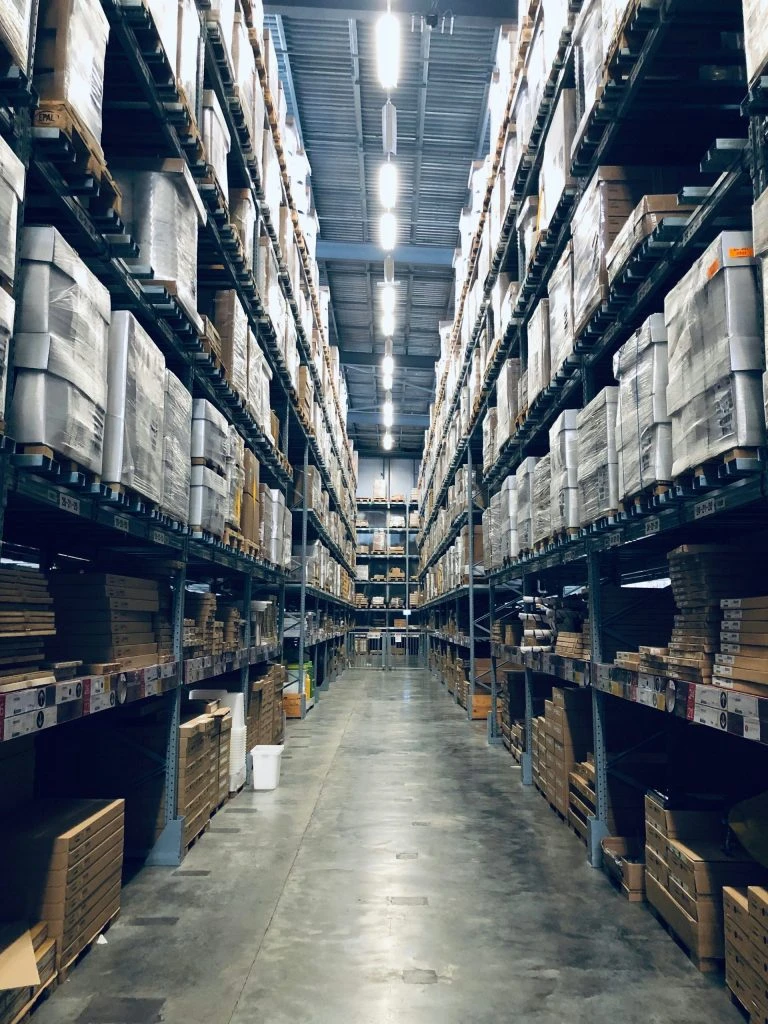
9. Warehouse Space in Harrisburg, Concord, Kannapolis, Salisbury, and Mint Hill
The safe community along with the affordable cost of living of this part of North Carolina makes it not only a great place to live, but also a great place to consider investing in warehouse space.
Harrisburg, Concord, Kannapolis, Salisbury, and Mint Hill have plenty of warehouses available. Many of them are concentrated in Concord, although Kannapolis has a number of options as well. These cities are close to I-85, providing easy access to real estate.
The properties that are for lease in this area range from $5.60-$22.00/sf/yr, with an average cost of $13/sf/yr. Their average size is mostly under 10,000 square feet, although there are a few versatile spaces that are larger, with the insides split up into separate real estate space.
Warehouse space that’s for sale in these cities costs approximately $127/sf. These are largely Class B and Class C buildings.
10. Warehouse Space in Belmont and Gastonia
Belmont and Gastonia are located just west of Uptown Charlotte, with Gastonia being the most populous city in Gaston County, and the 13th most populated city in North Carolina.
Located along I-85, this area is ripe for opportunities for warehousing and commercial spaces. Gastonia is the most popular city for warehouse space in this area, with some available properties spread out into the surrounding cities, as well.
Properties available for lease in this part of town range from $8-$12/sf/yr, with an average of $10/sf/yr. Many of these buildings are 100 years old or more, but you’ll also find some newer buildings with 20′ clear height or higher.
Properties for sale in Belmont and Gastonia run about $100/sf, but range greatly from $38/sf to $188/sf. This area offers a variety of options when it comes to sizes and features for warehouse space.

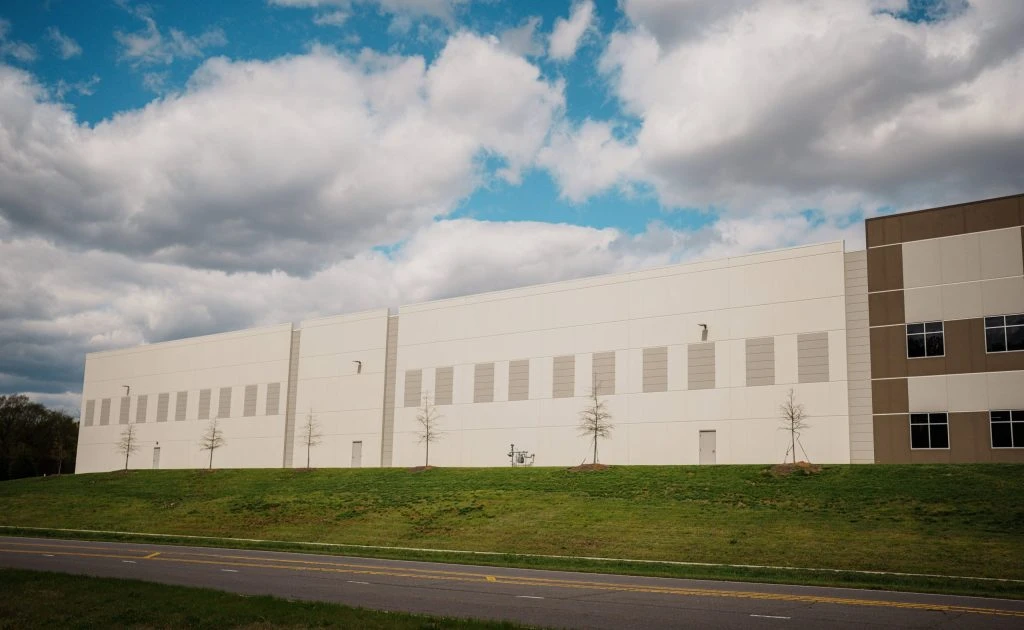
11. Warehouse Space in Steele Creek (Westinghouse Boulevard)
Steele Creek is a friendly community of North Carolina that’s known for being a wonderful place to live. It’s located on the southwest side of town by the airport. This busy area is more well known for its communities and neighborhoods than its warehouse space. It has good schools, many parks, and a dense suburban feel. Steele Creek is well populated by families and young professionals.
This charming community is only about 15 minutes from Uptown Charlotte, 15 minutes from the airport, and also hosts the Charlotte Regional Farmers Market. In addition, it holds Carowinds (a large amusement park), the Carolina Harbor Waterpark, and Camp Snoopy.
This busy area tends to be sparse in terms of warehouse space, so you’re better off heading down the road a bit if you’re searching for industrial properties.
12. Warehouse Space in Pineville
Pineville is located just east a bit from Steele Creek and has a few more options in terms of warehouse real estate. While it can be tricky to find properties for sale in Pineville, there is a selection of properties for lease in this area. Located along I-485 and I-77, these properties provide easy interstate access and quick entrance into South Carolina.
Rental rates in this area range from around $14/sf/yr to $18/sf/yr, with an average lease price of $15.50/sf/yr. This area has a number of newer buildings with sharp-looking features, built-in office space, and high clear heights. Older buildings are available in Pineville as well.
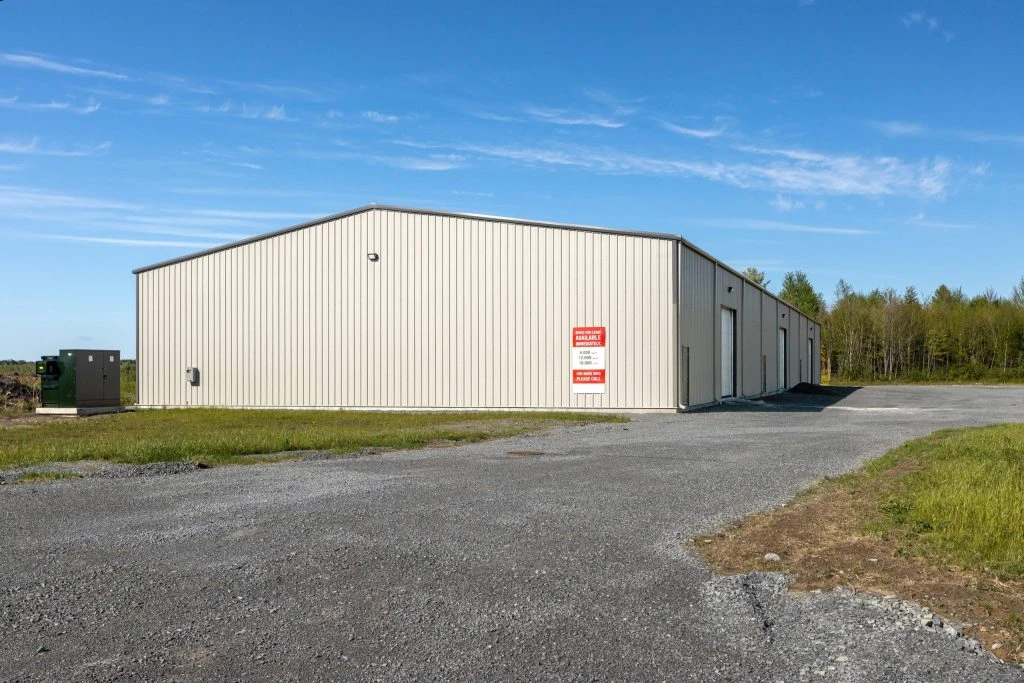

13. Warehouse Space in Plaza Midwood
Plaza Midwood is a trendy neighborhood just a mile from Uptown Charlotte. It tends to attract young professionals and has a “nightlife crowd” sort of feel. It’s known for its restaurants, vintage clothing, artisan goods, tattoo parlors, and bars.
Interestingly, this area does have some options for warehouse space, ranging from small, 1,000 foot spaces to 25,000 foot real estate options. The average price of properties for lease is $14/sf/yr, while the average price of warehouse properties for sale in Plaza Midwood is $655/sf. In other words, if you’re looking for warehouse space in this busy area of town, be prepared to pay a premium price!
14. Warehouse Space in NoDa
NoDa is an eclectic neighborhood that’s often thought of as the art district of Charlotte. This area is just north east of Uptown. Many of the older warehouse spaces in this area have already been converted to other types of buildings through adaptive reuse. Breweries, bars, and other retail and dining centers have taken the place of working warehouses in NoDa.
This area is very close to Plaza Midwood, and therefore shares similar rates for its existing warehouse properties. If you’re looking to find space in this area, you can expect to lease for about $14/sf/yr.

15. Warehouse Space in University City
Charlotte’s University City neighborhood is home to UNCC (The University of North Carolina at Charlotte) and is located on the I-85 corridor, providing easy interstate access. The real estate that’s available in this area is largely office buildings rather than industrial or warehouse space.
There are, however, a few properties available that have some warehouse space included. These are mainly smaller buildings that lease for approximately $15/sf/yr.
16. Warehouse Space in Monroe
This submarket of Charlotte is located in Union County southeast of Uptown Charlotte. This area is largely filled with manufacturing.
The warehouse space in this area has the benefit of being conveniently located near Route 74. Properties from this area range from about $8.50-$12.00/sf/yr, with the average price running about $10/sf/yr. These properties range from 6,000 square feet to 55,000 square feet. Curtis Street is one of the more popular locations for warehouse space in Monroe.


17. Warehouse Space in Hickory, Conover, Newton, and Lincolnton
This submarket of the Charlotte metro area is located near I-40 and U.S. Route 321. As a prior home to the furniture-making industry, Hickory, Conover, Newton, and Lincolnton are no stranger to industrial space including manufacturing and warehousing.
For lease properties in this area are quite affordable, running from around $3.20-$14.00/sf/yr. The average price of warehouse space for lease in these cities is around $7/sf/yr. While most of these spaces are under 40,000, there are a few larger spaces available – some over 100,000 square feet and some over 300,000 square feet!
If you’re looking to buy warehouse property in this area, you can expect to pay around $65/sf. Most of the properties for sale in this area are around 50,000 square feet or below, and are largely concentrated in Hickory.
18. Warehouse Space in Statesville
Statesville is located right on the I-77/I-40 corridor, making it a major industrial hub.
Properties for lease in this area are priced inexpensively at around $5/sf/yr. These include everything from heavy power facilities, to beautiful brick buildings with plenty of natural light, to spaces that could be broken up into smaller bays.
If you’re looking to buy warehouse property in Statesville, expect to pay around $115/sf. These are mostly older, Class C buildings, but they have the benefit of being conveniently located close to the highways and to a growing community.


19. Warehouse Space in Charlotte North – I-85/I-77 Corridor
The I-85/I-77 Corridor located north of Charlotte has lots of opportunities for industrial space. And interestingly, even though it’s close to many highways and conveniences, the price of warehouse space in this area isn’t significantly more than other areas that are further outside of Charlotte.
While for sale properties are rather sparse here (at least in the warehouse space niche), there are plenty of properties available for lease. These range from $12-$37/sf/yr, with an average of $19/sf/yr. Bailey Road, Reames Road, and Statesville Road are popular addresses for warehouse space along this corridor. Many of these spaces are also smaller, in the 1,000-2,000 square foot range, though there are some larger options (up to 26,000 square feet) available.
Warehouse properties for sale along this corridor average at about $204/sf.
Case Study – Rock Hill, SC
When looking for warehouse space, it can be frustrating when you’re not finding the real estate that you want. Whether its location, size, or budget, all of these factors must line up with the company’s needs in order for a property to work.
Fortunately, sometimes, new opportunities do open up. It might just take knowing the right people and keeping an open mind to find an ideal property that you might have otherwise missed!
Our client, Ted, was in a 6,000 square foot warehouse building and decided that it was time to expand to something closer to 50,000 square feet. It’s good news when a business sees growth, but sometimes finding a bigger space can feel like even more of a hassle!
Ted toured a building in Rock Hill, SC that was 134,000 square feet. He and his team liked the building, but the space was really just too big to be feasible for the company’s current needs.
We continued to search for properties, but didn’t find anything that fit the company’s needs quite right.


Just two weeks later, we heard news that the developer put the Rock Hill building under contract and was now looking for tenants to whom they could lease the building out. This gave Ted the opportunity to consider just part of the building rather than the entire property.
After some negotiation between our team at Regent and the developer, we were able to secure just the deal that Ted needed. He was able to lease one-third of the building, and in addition, the developer was willing to invest over a million dollars in order to renovate the building to fit the needs of Ted and his team.
To sweeten the deal even more, because the property is located in South Carolina, they were able to get incentives from the South Carolina government that would reduce the cost to occupy the real estate.
In the end, everyone won. The developer got a quality tenant on a 10+ year lease. The tenant got a space that worked just right for them without having to rent the entire building.
Working with an experienced realtor opens up a whole world of opportunities when it comes to finding the right space for you. Although the property you need might not seem immediately available, with the right connections, knowledge of the market, and understanding of different negotiation opportunities, the perfect property may be closer (and potentially even better) than you think!
Frequently Asked Questions
What is a warehouse?
A warehouse is a type of commercial real estate that's used for storing goods and materials. Warehouses are used by manufacturers, wholesalers, distributors, and transporters, providing a central storage location. Since warehouses are used for storage rather than for distributing products (in other words, product is not continually coming and going), they tend to be quieter buildings - sometimes with just one or two people working at a time.
What is the average price of warehouse space in Charlotte?
Currently, the average price of warehouse space for lease in the greater Charlotte metropolitan area is $13 per square foot per year. The average price of warehouse properties that are for sale in the greater Charlotte area is $258 per square foot.
Is buying a warehouse profitable?
Buying a warehouse can be profitable if your business is ready for the financial commitment and the initial investment. If you know you're in the right location, aren't worried about outgrowing the space, and can afford the cost of buying, purchasing your warehouse space can be profitable over time.
This is largely because your money is going into building equity rather than monthly lease payments that you'll never see again. You also don't have to worry about the potential of an increase in rent. In addition, real estate generally appreciates, so if you do decide to move on, you can recoup your costs by selling your property down the road.
Where should I buy warehouse space near Charlotte?
If you don't need to be near major highways or the busiest areas of Charlotte, we recommend looking for warehouse space on the outskirts of town, as this option is usually more budget friendly.
Some of the most affordable cities for warehouse space near Charlotte include the Belmont/Gastonia area, Monroe, Hickory, Conover, and Statesville.
What are the sizes of available warehouse space near Charlotte?
Charlotte's surrounding cities boast an incredible variety of warehouse space options depending on your business needs. While there are many options for warehouse space that are 10,000 square feet or less, you'll also find some larger buildings that offer up to 100,000 square feet, and some with even more.
Typical warehouses are often around 20,000 square feet or more.
Find Your Next Warehouse Property in the Greater Charlotte Metro Area
If you’re ready to find your next warehouse property, our team at Regent Commercial Real Estate is standing by, ready to help. Our team has closed nearly 1,000 deals in the greater Charlotte areas of North and South Carolina. As experts not only in the industry but also in our local area, we’re committed to helping our clients find the ideal property for your business.
Before we start the search for your property, we’ll take the time with you to consider your goals and needs. We’ll talk about where you want to be in the greater Charlotte area, what features you need for your warehouse space, how large or small of a space you need, and more. Then, we’ll walk through the negotiation process with you, including lease terms, sublease rights, tenant improvement options, renewal options, rental rates, and more.
With over 100 current listings on the market, finding the right space can feel overwhelming. We’ll start off with a free, custom market report to narrow it down to the best potential commercial real estate solutions that fit your needs.
Ready to get started? Our SIOR- and CCIM-certified team is standing by, ready to help. Contact us today, and let’s start the search for your ideal warehouse space.