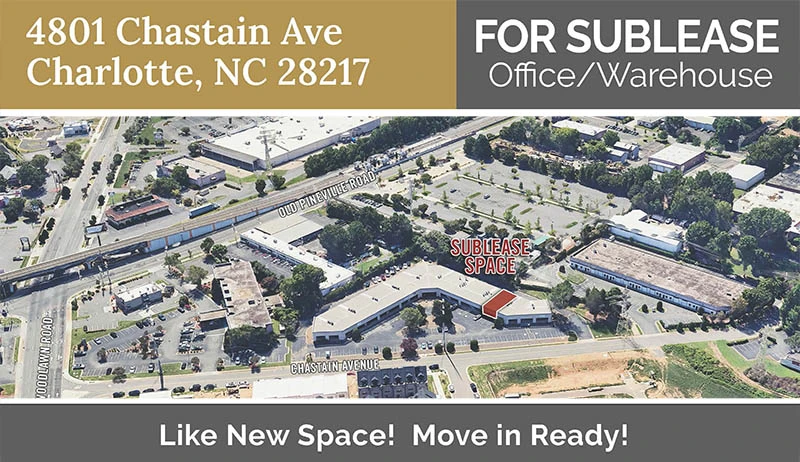
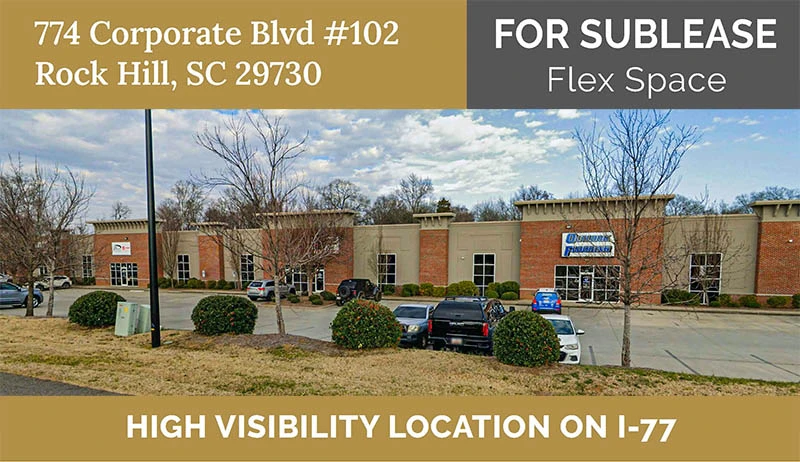
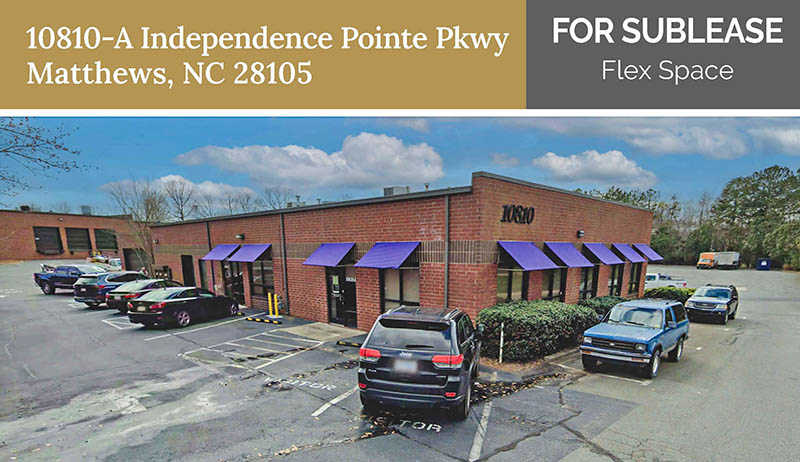
Small-Bay Warehouse Space is Increasing in Demand in Charlotte and Beyond
In recent years, and especially since the 2020 pandemic, the industrial real estate market around the greater Charlotte area and nationwide has experienced rapid growth in market need for small-bay warehouse spaces. Prompted by tenant demand, we’ve seen a significant push for strategically located, light industrial buildings. These small-bay properties are typically under 100,000 square feet and are often older buildings found in urban locations.
Why the shift? For many years, larger industrial properties have been the bread and butter of the industrial market. Now, numerous factors are leading to the reality of such a high demand for small bay properties.
A number of market conditions are influencing this transition to smaller spaces. Between high construction costs, an increase in online shopping and consumer spending, a need for flexible terms on industrial leases, and more, the climbing need for this asset type doesn’t look to be slowing down anytime soon.
The Appeal of Small-Bay Warehouses in the Industrial Sector
Although new properties are being added to the market, the vacancy rate for small-bay, light industrial property is incredibly low, hovering around 4% in 2024, while larger industrial properties over 100,000 square feet have a vacancy rate of 9%.
And the demand hasn’t just been since the Covid pandemic. For the past 7 years, small bay industrial spaces have had the highest occupancy rate in the industrial real estate sector.
Despite their high demand, small-bay warehouses don’t tend to receive as much attention from industrial buyers as typical, larger industrial facilities do. And the reasons why make sense. Larger industrial assets tend to attract larger tenants, such as Amazon and other major retailers. These well-known tenants offer stability and long-term leases.
In addition, industrial developers lean toward larger buildings for their standardized developments and conventional layouts. Mass production of these types of buildings provides the opportunity for large transactions with an institutional approach.
But are investors missing a major opportunity in the form of small bay assets? They just might be.
What is “Light Industrial”?

Small-bay space is also referred to as light industrial. What exactly do these terms mean?
Light industrial space is, in many cases, simply a smaller version of its larger industrial equivalents.
Light industrial space, or small bay buildings, are generally under 100,000 square feet. Still, they have similar characteristics, such 30+ foot ceilings, warehouse configurations, and single story layouts. They generally include at least one loading bay or dock door.
Light industrial space is used for smaller-scale manufacturing and distribution. And unlike heavy industrial, these spaces don’t cause excessive pollution or produce hazardous wastes that can disturb the surrounding community. This type of property is often used in sectors such as auto repair garages, life science labs, print shops, and tech startups. A number of small business owners also turn to light industrial and small bay warehouses as a startup space for growing new enterprises.
Small bay spaces can also be multi-tenant facilities and are often more flexible than larger spaces, which is another reason why this property type appeals to small business owners. In addition, they often have flexible lease terms.
What’s Causing the Shift From Large Industrial Properties to Small-Bay Warehouses?
While the demand for large-scale warehouses hasn’t disappeared overnight, we are definitely seeing a shift as more and more investors and business owners look to small-bay space.
One reason for the push to small-bay available space has to do with the changing needs in consumer demand. As e-commerce and same-day shipping options increase, even larger companies are seeing a need for smaller warehouses in convenient locations. Businesses like Amazon are pivoting to “last touch” warehouse facilities and finding that these small-bay warehouses serve as an agile point for the final link in the delivery chain.
In fact, as Amazon’s offer of same-day and next-day delivery has increased in the last few years, the company has been a leader in implementing this shift to smaller warehouse spaces. In the last few years, they’ve seen a 15% reduction in the distance that packages have to travel from fulfillment centers to the customer’s front door. This decreased distance has also lessened the amount of handling that packages need in order to be delivered promptly.
Small-bay warehouses also allow third-party delivery services to operate from multiple smaller warehouses and transport products more quickly in order to serve customers better.
Another reason we’re seeing the shift has to do with the shorter lease structures and the diverse tenant base that these small-bay and multi-tenant industrial properties can provide. With shorter leases, property owners have the flexibility to increase rental rates as needed, rather than being locked into longer lease terms. This provides inflation protection for property owners, since they have the freedom to adjust lease structures more often as the market shifts.
In addition, the network of possible tenants tends to be significantly more broad, with more startups and small businesses looking for flexible, small to midsize spaces to rent. From HVAC companies to material suppliers to auto garages, the variety of tenants looking for smaller warehouses is extensive. This lessens the risk of economic decline in any one business sector, providing security for property owners through their diverse base of potential tenants.
These factors combine to give investors and property owners more earning ability and less chance of having vacant space when looking for a large industrial tenant.
Small-Bay Warehouses in the Charlotte Market
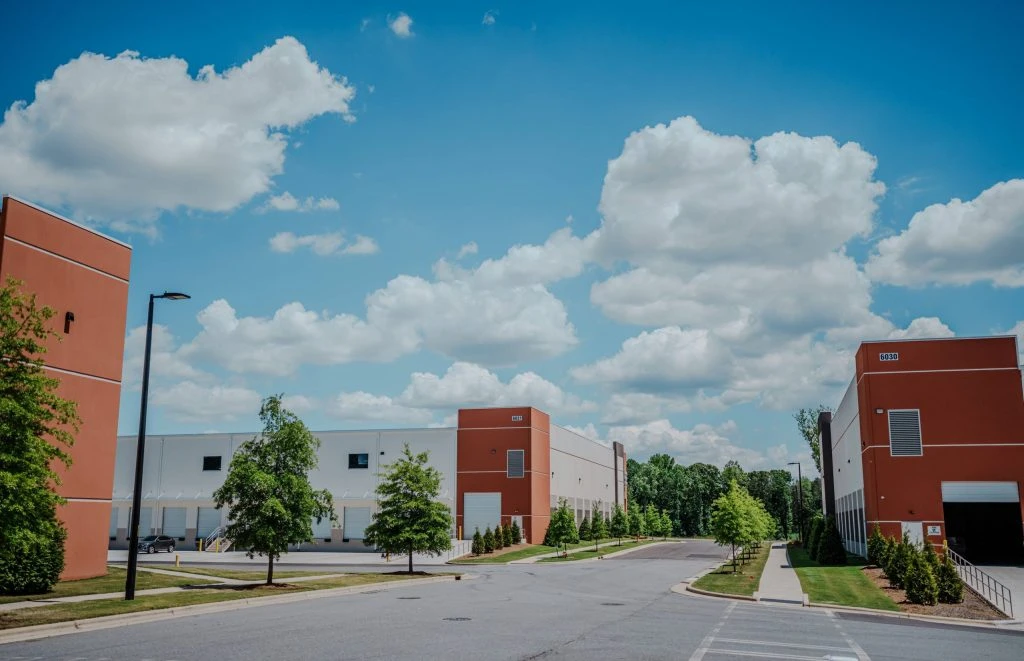
Small-bay warehouses are becoming more popular throughout the commercial real estate market all over the nation, and Charlotte is no exception. With increasing industrial usage, small bay warehouses are in high demand in the Queen City. Around the greater Charlotte area, many of these types of properties are located in older buildings that are difficult to replicate in today’s market because of the increasing construction costs.
Many investors are choosing these older buildings as prime warehouse facilities for renovating, while taking advantage of their central urban locations.
Busy, urban areas such as Charlotte are also seeing a shift from large corporations, who are turning to smaller facilities to create a more agile network for serving customer needs. While large, centralized warehouses are still in significant demand, the need for decentralized logistics spaces continues to be prompted by the ever-increasing e-commerce market.
In the Charlotte market, the demand for larger industrial space is slowing, while small bay industrial properties are sporting availability rates below 2%. Part of the reason for this has to do with increased construction costs, which has led to slower construction of more of these small to midsize buildings. The slower rate of building has been a significant part of the lack of vacancy as well as increased rental costs.
And in an urban city where convenient transportation options are essential, these smaller buildings in strategic locations are highly coveted.
We’re also seeing a shift in locations as large industrial buildings move into more suburban areas. The Huntersville Commerce Center, an industrial park spanning nearly 11 acres, is one example of this. This park is located in close proximity to the thriving community of Lake Norman. This state-of-the-art, Class A building will be a “community for business, health, retail and residences“. It’s scheduled to be completed in April of 2025.
As more of these larger industrial parks are moving into suburban communities, the smaller warehouse properties closer to the city center and other more urban areas are in even higher demand.
FAQs About Small-Bay Warehouse Space
What is a light industrial building?
Light industrial buildings are smaller than heavy industrial facilities—typically under 100,000 square feet. They have lower-intensity uses for smaller-scale production or distribution, with less environmental impact from pollution or hazardous wastes.
What are light industrial buildings used for?
Light industrial buildings are used for light manufacturing, assembly, and warehousing for a range of business types, such as auto repair shops, custom fabrication shops, R&D firms, craft breweries, general contractors, e-commerce companies, and more.
Are small-bay warehouses considered light industrial buildings?
Yes. Warehouses are industrial buildings, and small-bay warehouses are generally considered light industrial due to their size and reduced scope usage.
What lease terms are typical for small warehouses?
Small-bay warehouses typically have lease terms from 1-3 years, and sometimes month to month. In addition to offering shorter durations, they also tend to provide more flexible terms than large industrial buildings offer.
Are small-bay warehouses a better choice for investors?
The swelling demand for small-bay warehouses can make them a better choice for investors. In 2025, the vacancy rate for small-bay warehouses is around 4%, compared with a 9% vacancy rate for larger industrial buildings. This demand is driven by a rise in e-commerce, climbing construction costs, and a market need for more flexible lease terms.
Looking for Industrial Space in Charlotte?
At Regent Commercial Real Estate, we’re on the cutting edge of Charlotte’s industrial space trends. With nearly 1000 successful sales and lease transactions under our belts, we have a close-up view of the shifts that are taking place in the commercial real estate market.
Looking for small-bay warehouse space? With incredibly low vacancy rates, you need an expert on your team to help you snatch up your ideal space as soon as it’s available. With our comprehensive search database tools, network of local relationships, and other advanced resources, we’re here to help you secure the space you need.
Ready to get started? Whether it’s time to start your property search or you’re looking for tailored commercial real estate consulting, we’re here to help. Leverage our prestigious real estate knowledge, creative solutions, and personalized guidance as you search for your next property.
Contact us today to see how we can help you.
Share This Story, Choose Your Platform!
About the Author: Brian Smith, SIOR | CCIM | MBA

Related Posts



What our clients are saying


Unlock Exclusive Commercial
Property Listings