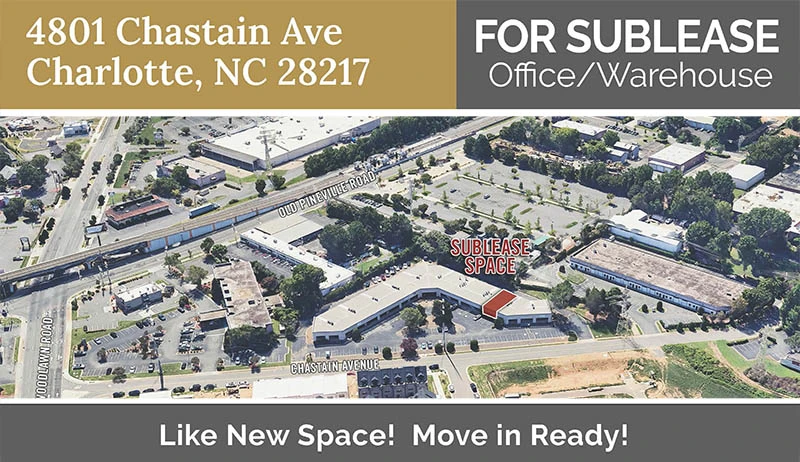
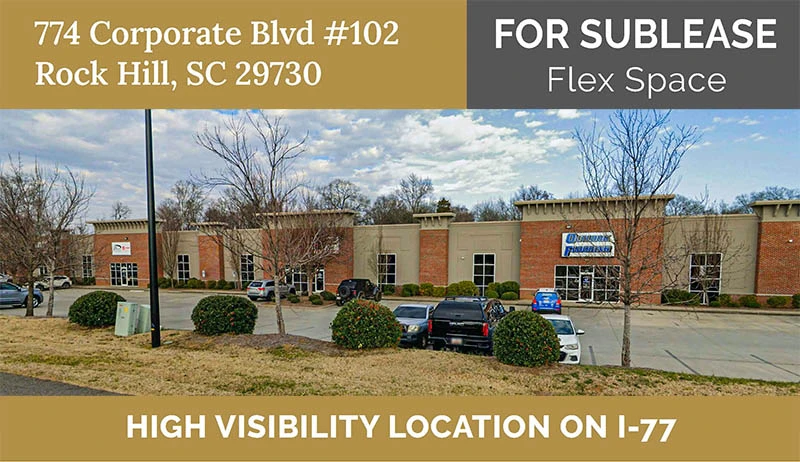
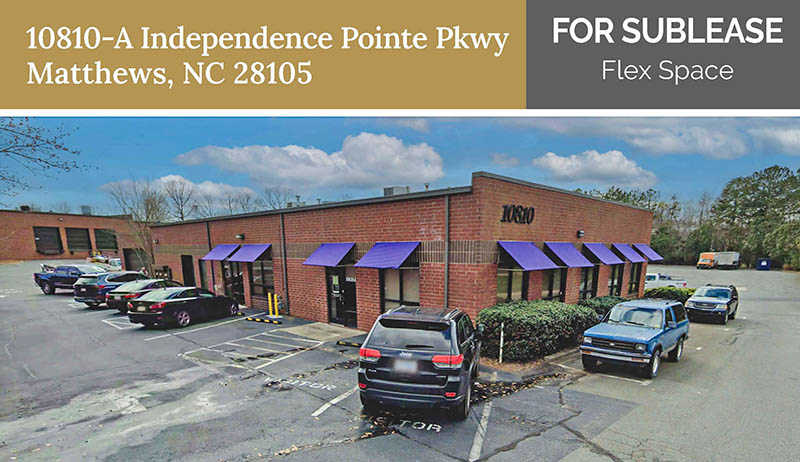
Exit Strategy Planning for Industrial Tenants – How to Exit Seamlessly, Minus the Hassle
Industrial lease exits require a well-executed strategy in order to minimize downtime and financial loss. The best time to start planning your real estate exit strategy is at the beginning of a lease – even if your exit seems a long way away. Negotiating lease agreement clauses, creating an exit timeline, and checking on legal protections can help mitigate problems later on in your lease.
But even if you’re already months or years into your lease, there are steps you can take to create and maintain a good exit strategy that will allow you to move on gracefully.
As a tenant, taking a strategic approach to your exit strategy is helpful whether business operations are flourishing (and you need a bigger building) or business is slow (and you need to cut costs).
What Is A Real Estate Exit Strategy for Tenants?
For tenants leasing commercial space, an exit strategy is a plan for leaving the leased space either at the end of the term or before the term ends. The goal of a well-executed exit strategy is to leave the lease with as little disruption, financial hardship, and legal risk as possible.
Successful exit strategies include planning how to leave (for example, subleasing, negotiating early termination, riding out the term, or negotiating a change in the space) as well as when to leave (renewal vs. relocation, business sale, downsizing/expansion, lease expiration, etc.).
A typical industrial lease ranges from 3-10 years. A good exit strategy will allow you to avoid unwanted surprises (such as holdover rent or restoration costs) by planning in advance.
Why Exit Planning Matters
The right exit strategy for your industrial lease requires careful attention and strategic planning, but a well-thought out framework can do even more than protect cash flow and minimize hassle.
Here are a few more reasons why exit planning matters for your commercial property lease:
- Less risk. Leaving a lease without a proper exit strategy can quickly lead to legal risk and financial penalties. A breach of contract can result in you as a tenant being held liable for remaining rent and costs, as well as legal fees.
- Flexibility. Whether your business changes for better or for worse, an exit strategy gives you options for moving on. If market conditions change, lease options no longer fit your needs, or you need a larger or smaller space, a well-formed escape plan allows for a smooth transition to a new building while still maintaining a good relationship with your landlord.
- Cost control. Having a clear exit strategy will help the business to avoid unexpected fees from early termination penalties, extra monthly payments, restoration expenses, and legal fees, minimizing the overall budgetary strain and allowing for financial foresight.
- Business continuity. For a business that might relocate or downsize, a thorough exit plan helps to minimize disruptions to the business and allows for a smoother transition with less lost revenue.
- Relationship preservation. Having an exit plan in place and communicating your intentions with your landlord allows you to keep the relationship positive and end on good terms, whether you need to leave early or you wait until the end of the lease. Respecting the agreement also protects your company’s image both with the property owner and with other local connections.
An Overview of Exit Strategy Components
What actually goes into exit planning? Here are the major components of a good exit strategy for industrial tenants.
- Lease Rights and Options. Carefully examining your lease is pivotal for avoiding the need for legal action and for negotiating early termination options that will allow you to leave without hefty fines. Termination and break rights, the ability to sublease part or all of the space to a new tenant, and expansion, contraction, and renewal options are key components to examine for an effective exit strategy.
- Financial Structure. What costs are associated with leaving a commercial lease agreement? Make sure you understand penalties and buyout economics associated with your lease, including remaining rent, accelerated rent, liquidated damages, and any agreed buyout amount so that you can model the true cost of leaving and minimize financial burdens. In addition, find out how or if deposits can be applied or forfeited on exit, and check into expected make-good and restoration costs to remove improvements, repair damages, and deliver the premises to the agreed-upon condition at surrender. Understanding financial structure components allows for careful planning and minimizes financial risk to the business upon exit.
- Surrender and Make-Good Obligations. What does your lease agreement require when you hand the space back? For industrial or warehouse property lease, this likely includes the removal of racking, mezzanines, specialized power, exhaust, pits, or other industrial build-outs. You should also find out which tenant improvements, machinery, and equipment must be removed and who is responsible for any repair costs.
- Legal Requirements and Risk Management. This includes compliance with notice and processes, such as notice periods, formal notices, and documentation (for termination, assignment, sublease, or surrender). Default and dispute planning also includes a plan for how to manage any claims for breach of lease, unpaid rent, or inadequate restoration, which may potentially include negotiated waivers or releases in a surrender or buyout agreement. Lastly, be aware of alignment with jurisdiction-specific rules on commercial tenants to make sure your plan fits within local statutes, mitigating the need for legal counsel and risk.
- Operational Move and Transition Plan. A well-formed exit strategy includes move logistics and a plan for business continuity. This involves a timeline for decommissioning equipment, removing inventory, coordinating contractors, and scheduling inspections so you can vacate on time. Sequencing the new site build-out and move will also encourage business continuity and ensure production and distribution is not interrupted. In addition, take a proactive approach to landlord communication, conveying timing, showings, and potential replacement tenants in order to secure approvals and preserve the relationship.
Exit Planning at the Beginning of Your Lease
The best time to begin exit planning is at the beginning of your lease – in fact, even before your lease starts. Thoroughly examining your lease agreement and negotiating key clauses is the foundation of a solid exit plan.
At the same time, industrial lease clauses can be complicated, and it’s common for tenants to overlook or misunderstand the many pages of documents involved. Working with a tenant representative adds no extra cost to your lease, but can save you thousands, as experienced tenant reps understand the ins and outs of each lease clause and are confident in lease negotiation.
What to Look for in Your Industrial Lease Agreement
These key clauses in an industrial lease will play a significant role in your lease obligations and financial burdens at the end of a lease.
- Termination clauses and early termination fees. The early termination clause specifies under what conditions either party can terminate the agreement before the end of the lease term. This may require a notice period or monetary payment. Conditions for early termination may include business expansion or downsizing or financial hardships.
- Use clause and sublease provisions. In an industrial lease, the use clause and the sublease clause work together to identify how a tenant can use the property, including what activities are allowed (i.e. warehousing, light manufacturing, distribution), zoning and safety requirements, and whether the original tenant may lease out some or all of the square footage to a subtenant. The ability to sublease your industrial space allows for maximum flexibility in your exit plan, allowing you to easily adapt if your business model changes or if the company’s spatial needs grow or shrink.
- Notice provision. The notice provision of a lease agreement identifies how much time one party has to give advance written notice to the other party if the lease is going to end before the original agreed-upon end date. This could be 30, 60, or 90 days or possibly 6-12 months in advance. It also specifies how the notice must be given (certified mail, email, etc.).
- Property condition requirements. This is the standard that a tenant must meet for maintaining or repairing the space before move out. It typically requires keeping buildings and systems in “good order and repair”, usually including both routine maintenance and repairs required from any specific damage. Understanding your obligations for how to leave an industrial property will help to avoid setbacks, extra costs, and legal trouble as you execute your exit plan.
- Renewal terms. This clause specifies renewal options, which is important for helping to determine whether it’s better to stay in a lease or move to a different building. The renewal clause specifies whether renewal is an option at all, the length of the renewal (one or two 3-5-year terms is common), and how rent will be set in the renewal term (for example, pre-agreed increases, CPI-based bumps, or “fair market rent”).
- Dispute resolution methods. This clause helps to promote efficiency, privacy, and relationship preservation in a commercial lease. It outlines a step-by-step process for handling conflicts, which may include negotiation, mediation, expert determination, arbitration, and/or possibly litigation.
It’s important not to skip past any of these important lease clauses when beginning a lease. A well-drafted agreement is the base of a solid exit plan.
Creating an Exit Plan Timeline
An exit plan timeline is another one of the key strategies for effectively moving to a new building with as little downtime as possible. Making a detailed schedule with deadlines and assignments helps to ensure nothing is missed and that all parties are on board.
An exit plan timeline should include:
- Giving proper notice to landlords
- Site selection and evaluating potential locations
- Notifying vendors, partners, and employees
- Finding a sublease tenant (if applicable)
- Logistics planning – including moving equipment and inventory
- Ensuring legal compliance and permits are in place
How to Create an Exit Plan In the Middle of Your Industrial Lease
What do you do when you find yourself in the middle of a lease without a plan to get out? Whether the business model has changed, the company has fallen upon hard times, or business is booming far beyond original expectations, there’s always the chance that it may be necessary to move on from a lease before the term has ended.
If you haven’t yet created an exit plan, don’t worry. By following these steps, you can mitigate potential fees, legal issues, and communication breakdowns.
- Thoroughly examine your lease agreement to understand key terms and clauses (termination clause and early termination fees, sublease provisions, notice provision, and property condition requirements).
- Communicate with your landlord clearly and in a timely fashion to negotiate subleasing options and/or early termination. This will also help to preserve the business relationship and ensure everyone leaves on good terms.
- Consider a financial incentive, such as a lump-sum payment, to lessen the burden your landlord might experience and cover expenses for an early exit.
- Familiarize yourself with local tenant protection laws to make sure you understand your rights as an industrial tenant.
FAQs About Exit Strategy Planning in Your Industrial Lease
When should you start exit planning for a commercial lease?
At the beginning of a commercial lease is the best time to start planning your exit strategy. However, it’s still possible to create an exit plan strategy in the middle of your lease if you need to get out early. The sooner you can examine key lease terms and clauses, communicate with your landlord about subleasing or early termination, and familiarize yourself with local tenant protection laws, the better.
If you can negotiate key lease agreement clauses, check legal protections, and create an exit timeline before beginning the lease, that’s even better and can reduce overall financial and operational disruption as well as risk.
How do you end a commercial lease early?
Examine and exercise the early termination clause in your lease agreement. Communicating early with your landlord to negotiate subleasing options/termination can help protect the business relationship, and a lump-sum monetary incentive can help ease the financial burden to your landlord and help to cover his or her expenses.
It’s wise to check in to local tenant protection laws to make sure you understand your tenant rights. A tenant rep broker can also help with this.
What is an exit clause in a commercial lease?
An exit clause—sometimes called a break clause or an early termination clause—gives the tenant an opportunity to leave the lease before the term ends if needed. There are usually conditions attached to an exit clause, such as a certain amount of advance notice and/or a termination fee.
How long is a typical industrial lease?
Industrial lease agreements usually range from 3-10 years in length. Before signing a lease agreement, it’s important to thoroughly understand key industrial lease clauses so you don’t end up with hefty charges or disruptive legal disputes down the road.
Get Help Moving On to Your Next Industrial Lease
In the metro Charlotte area, our team at Regent Commercial Real Estate is set apart by our prestigious real estate credentials, network of relationships in the greater Charlotte area, and genuine concern for each client’s individual situation.
Whether your business is growing and you need a bigger industrial building, it’s time to pivot to something smaller, or your customer base has moved, we can help you find your next property.
Leverage our expert negotiation skills, comprehensive search database tools, and personalized process to find your ideal property with less hassle, so you can focus on your business.
Request your free, customized market report to get a list of properties that fit your needs, or contact us today.
Share This Story, Choose Your Platform!
About the Author: Brian Smith, SIOR | CCIM | MBA

Related Posts




What our clients are saying


Unlock Exclusive Commercial
Property Listings