5 Signs That It’s Time to Move Your Business to a New Industrial Space
Moving an industrial business is a big decision that requires careful thought and planning. If it’s time to start thinking about a new location, you might have worries about disrupting business productivity, affording a new space, finding just the right property, or simply the many logistics that go along with a successful industrial move.
Industrial moves present unique challenges, and choosing the right time to move is often one of the most pressing hurdles. Whether your business is growing, your processes have changed, or you’re looking for a lower-cost option, it’s important to consider a potential move from every angle so that you don’t end up with a property you can’t afford or the wrong setup in the wrong place.
In this guide to moving your industrial business, we’ll explore the 5 most common reasons why industrial businesses need to move, and how to recognize whether it’s time to pursue a new building option for your team.
5 Signs It May Be Time to Move Your Industrial Business

While moving is a big undertaking, oftentimes it can produce significant growth. Working out of an industrial space that’s the right size, with the right features, in the right place, with fair pricing can allow you to scale your business in ways you may have never thought possible.
With careful organization, a proper planning process, and open communication, you can experience a successful move that opens the doors to new opportunities.
Have you noticed any of these issues in your business? If so, it may be time to start thinking about a move.
1. You’re outgrowing your current space
Outgrowing your current space is often a good problem to have. Congratulations, your business is growing! On the other hand, a growing business comes with its own logistical challenges – like considering a move from your current location to a bigger building.
If your building is becoming so crowded that your systems are no longer working, employees are becoming frustrated, inventory management is chaotic, or you can no longer serve your customers in a timely and organized fashion, it might be time for new systems, or it might just be time for a bigger space.
But before you decide that moving is your next step, spend some time carefully considering your business model as well as your income levels. Balancing future growth with financial stability takes strategic planning and forethought. Don’t take off at the first sign of growth, especially if it happens to be a particularly lucrative time of year for your industry. Instead, it’s usually best to look for a consistent revenue increase over several months before making any big decisions regarding business operations.
At the same time, attempting to serve a growing number of clients and customers from too small a location can also cause big problems. If you sense a growing need for more employees or more inventory in the near future, start thinking about what a potential move could look like. Consider optimal locations and connect with a commercial broker who can help keep an eye out for ideal building options.
2. You’re no longer near your customer base
Perhaps you started out near what you thought was your ideal customer base, but found out later that your regular crowd is actually from a different location. Or maybe you chose your first building because it was the best price, but have noticed that it’s actually not ideal for your target market or your employees. Or maybe your industry has shifted slightly, and you could do more business in another zip code.
Customer demand is an important factor to consider when choosing a business location. Proximity to your customers, employees, and suppliers all impact daily operations as well as your profit margins.
If you can better serve your customers, attract more talent, or shorten your commute to clients, a business move might make sense.
3. Your business model has changed
Another reason for a move is that perhaps your business model has changed. Maybe your building had plenty of space for raw materials, but now you need more heavy equipment or materials on hand in order to handle a shift in production.
Maybe you were thriving with a sizable physical location, but recently most of your sales have switched to online.
Or perhaps you’ve decided that it makes sense to add more employees in order to provide your clients with better or faster service.
Moving to a larger or smaller industrial building may be a wise decision if it aligns with your business goals. Just be sure to think long term and make sure you have adequate financial stability before making a major business decision such as a move.
4. You can be more efficient elsewhere
Moving to a new building can give you a competitive edge if the building better supports your daily operations. For example, does more space allow your employees to work more efficiently and faster, therefore generating more income in the long run?
Will you be able to store more products, therefore reducing bottlenecks in shipping operations?
Are you lacking in important industrial amenities, such as high ceilings, enough loading docks, or sufficient power supply?
Are employees frustrated by crowded workstations?
If scaling your industrial space allows you to work in new ways that are more efficient and increase your overall profit, it may be a good idea to consider expanding.
5. Your costs are too high
Sometimes moving to a new commercial space is the best way to improve your financial health. There are so many costs that go into owning or leasing a commercial building, and it can be easy to overlook sneaky price increases, especially if they don’t all happen at the same time.
Rent is just one factor that goes into your overall building costs. Utilities, taxes, phone and internet, and services (such as trash removal) all play a role in your monthly budget. Perhaps your rent jumped at lease renewal time, or the overall cost of operating in your area has increased in every sphere.
Maybe you weren’t in a hot market when you moved in ten years ago, but the area has since become an in-demand location.
Moving to a different location altogether or just to a new facility nearby is sometimes the best option for optimizing your cost savings.
Tips for a Successful Move
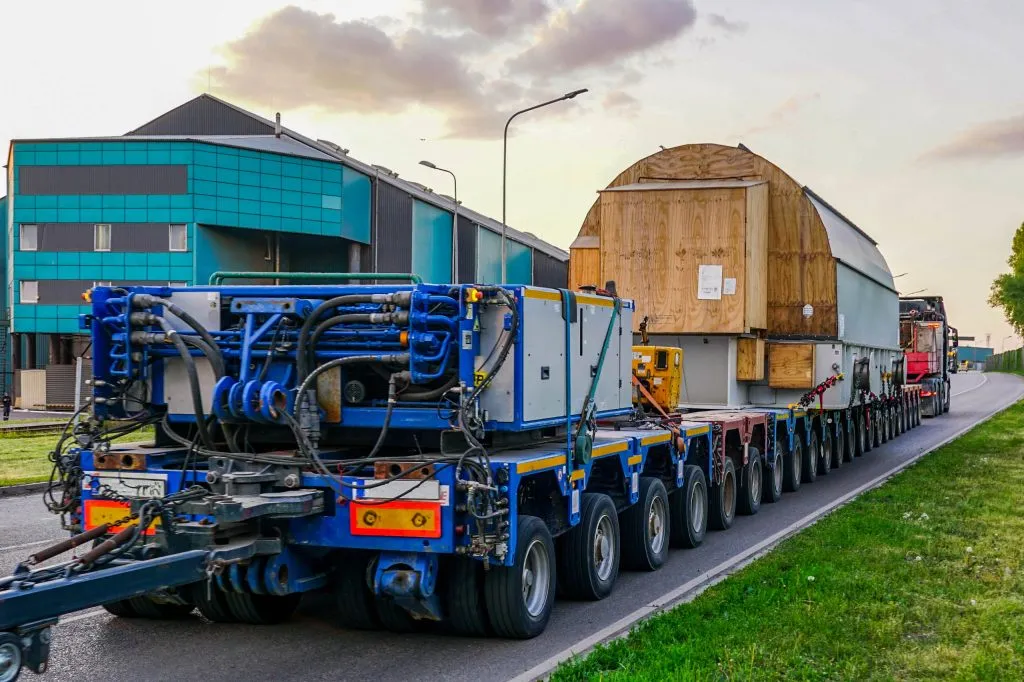
Industrial moving can be a big undertaking, especially if you have a large staff, significant inventory, heavy machinery, or sensitive technology. But even for small industrial businesses, it takes proper planning to ensure a smooth transition that eliminates downtime as much as possible.
Here are 4 tips for a successful industrial move, regardless of your business size.
1. Start planning in advance
One of the biggest worries that business owners have about a commercial move is a halt in business operations. Planning your move many months in advance is one of the best ways to remedy this problem and create a fluid transition from point A to point B.
About 6-12 months before your move is an ideal time to start the first steps of the process, such as reviewing your current lease, searching for properties, creating a detailed plan for the move, and assigning to-do lists.
2. Budget for the move
No matter how organized you are, moving will cause an interruption in daily operations. Although careful planning can minimize disruption, it’s a good idea to budget for a pause in the regular workflow.
In addition, take into account other moving expenses such as hiring movers, purchasing any needed equipment or furniture for the new building, and paying your current landlord for any damage to the old building or lease termination fees.
3. Find a trustworthy moving company

Your equipment and inventory are a vital part of your business, so finding a trustworthy moving company is paramount. Talk with others in your community, search through online reviews, and ask your potential movers about their processes and credentials before landing on a moving company.
Here are some questions to ask as you search for the best option for your move:
- Does your company have the proper licensing and insurance?
- How many successful industrial moves have you completed?
- Do you have experience in moving warehouse inventory and heavy equipment?
- Do you crate and/or pack equipment?
- Are you comfortable with assembly and disassembly?
- Can you give us an on-site quote (rather than a virtual estimate)?
4. Make sure your legal bases are covered
Lastly, make sure you’ve done your due diligence in the area of legal issues as they relate to your move. This is a crucial step in ensuring that your regular business operations aren’t interrupted more than they have to be.
Some areas to consider include:
- Ensuring the new property is zoned correctly
- Properly disposing of any hazardous materials at the old site
- Securing any necessary permits (such as environmental or building permits) for the new property
- Properly notifying employees about the move
Consulting with a legal professional who’s experienced in business relocation may save you a lot of hassle when it comes to making sure you have your legal bases covered.
FAQs About Moving Your Industrial Business
How do you know when it’s time to relocate an industrial business?
The top reasons to relocate an industrial business include:
- The need for more storage space
- Shifting market access
- Proximity to raw materials or labor
- Changes in regulatory compliance
- An evolving business model
- Rising costs (rent, utilities, and/or market shifts)
What is industrial relocation?
Industrial relocation is the process of moving heavy machinery, equipment, and materials to a new location, typically for the purpose of cost savings, regulatory requirements, or a more agile market.
How far in advance should I plan an industrial relocation?
Start planning 6-12 months before an industrial move. This allows time for a lease review, property search, and an organized moving process so your company can aim—as much as possible—for an uninterrupted shift.
How do I find a good industrial relocation company?
Look for movers who are experienced specifically in heavy-duty equipment and machinery, not just residential moves. Ask local connections about their experience, search through online reviews, check in to proper licensing and insurance, and get a detailed quote (preferably on-site rather than a virtual estimate).
It’s also a good idea to inquire about the number of industrial moves completed, procedures for crating or packing equipment, and comfortability with assembly and disassembly.
Looking for the Perfect Industrial Space?
Searching for just the right industrial space around metro Charlotte? Our team at Regent Commercial Real Estate has you covered.
The moving process presents many unique hurdles, but finding the ideal property shouldn’t be one of them. When you partner with Regent CRE, we’ll do the heavy lifting so that you can focus on your business.
More than just packing boxes and hiring a moving company, starting a new lease is an entire job of its own. Thankfully, we’ve done this hundreds of times and have proven, strategic processes that make it easy. We’ll start with a free market report that gives you a bird’s eye view of the most ideal properties for your business. Then, we’ll schedule tours to explore the properties with the best potential. Once a property has been selected, we’ll handle the negotiations and lease or purchase agreement.
From the initial meeting to move in, we’re here for you!
Learn more about industrial space near Charlotte, or contact us today to get started.
Share This Story, Choose Your Platform!
About the Author: Brian Smith, SIOR | CCIM | MBA

Related Posts



What our clients are saying


Unlock Exclusive Commercial
Property Listings