5 Types of Due Diligence for Commercial Real Estate (And Why Each One Matters)
In any commercial real estate transaction, there are potential risks. Even the most promising-looking commercial property can be harboring hidden issues, such as water damage, an unmentioned pending tax reassessment, title defects, groundwater contamination, or upcoming zoning changes, just to name a few. Conducting proper due diligence is one of the most crucial steps in determining whether or not a commercial real estate purchase is a sound investment.
But due diligence is more than just checking a couple of boxes. There are multiple types of due diligence that need to be conducted in order for a buyer to have confidence that a commercial property is in solid physical and financial health. An experienced, local commercial real estate broker can help to make sure that every step is completed before the deal is finalized.

What is Due Diligence?
In commercial real estate, the process of due diligence refers to a series of steps taken to ensure that there are no unknown risks—physically, financially, legally, environmentally, or within the local market. A thorough due diligence process offers peace of mind that there are no potential issues that buyers need to take into account before closing on a commercial real estate purchase.
During the due diligence period, the buyer will offer a deposit—known as “earnest money”—which the title company will hold while the process is being completed. If the buyer chooses to terminate the contract before the process is through, he or she will receive the earnest money back.
In a commercial real estate transaction, this process typically lasts approximately 30-75 days and happens after the purchase agreement is signed, but before closing is finalized. While some buyers may have to complete their own due diligence, working with a commercial broker who can guide you through the proper due diligence process will deliver more peace of mind in knowing that everything has been completed thoroughly and no steps have been missed.
Commercial due diligence is a multifaceted process which examines numerous angles of the property. A thorough investigation includes multiple types of due diligence in order to evaluate factors such as potential environmental issues, legal issues, and market dynamics, as well as the physical condition of the property and systems and the financial viability of the investment.
The most common types of due diligence include:
- Physical Due Diligence
- Financial Due Diligence
- Legal Due Diligence
- Environmental Due Diligence
- Market Due Diligence
Why Does Due Diligence Matter?
Without a proper due diligence process, you could get locked into the purchase of a commercial property before having knowledge of hidden risks that could significantly affect your investment goals. Not every risk is immediately obvious.
While issues like visible water damage, high vacancy rates, active lawsuits involving the property, or strong chemical odors can be seen plainly upon an initial property tour, due diligence digs deeper into potentially hidden issues.
Near-failing boilers, a pending tax reassessment, zoning nonconformities, hidden asbestos, or planned infrastructure changes in nearby traffic routes have a major impact on the soundness of your investment. And in many cases, only a thorough due diligence process can give you the answers you need as to whether or not a specific property is the right choice.
Here are 3 main reasons why due diligence is a crucial process.
1. Limits or negates significant risks
Physical inspections, environmental assessments, and legal reviews allow you to have knowledge of whether there are concealed risks below the surface of a property. For example, a property condition assessment reports structural, mechanical, and deferred-maintenance issues (roof, HVAC, foundation, parking, etc.) that could cost thousands of dollars to fix.
An environmental site assessment reveals environmental risks like contamination or hazardous materials that may require costly remediation, or could even limit future financing or resale.
And legal, title, and zoning reviews allows you to catch problems like title defects, easements, liens, unresolved disputes, or zoning noncompliance that could block your intended use or even cause you to inherit expensive lawsuits.
2. Clarifies whether the property aligns with your strategy
Market and use analysis gives you vital information about vacancy, rental rates, competing properties, and local trends to help ensure that the asset and location align with your business goals and exit strategy. Understanding market risks as well as potential value-adding opportunities allows you to only commit to deals that support your long-term investment objectives.
3. Prevents overpaying and aids in negotiation
Having detailed information about potential physical and environmental risks as well as operating expenses, historical performance, or high vacancy rates may help you and your broker negotiate a better rate and so prevent you from overpaying for a property. Missing potential risks often means paying more for a property that cannot generate enough net income to justify the purchase price.
Types of Due Diligence in Commercial Real Estate
Here are the 5 main types of due diligence you’ll come across when assessing commercial properties.
1. Physical Due Diligence
Physical due diligence is the process of examining all of the physical and structural components of a property, typically with a building engineer and/or property manager. The building engineer will then issue a property condition report explaining the needs of the property—both immediate and long term.
This process examines features such as HVAC, electrical systems, mechanical systems, plumbing, roof condition, elevator systems, parking lots, and fire safety compliance to make sure everything is functioning properly and is in good condition.
While some of these problems can be obvious, hidden structural issues such as corroded beams, rotten framing, inadequate sprinkler coverage, or hidden accessibility (ADA) noncompliance can mean costly repairs and may sometimes even pose immediate safety issues.
While minor issues can lead to beneficial negotiations, major issues warn prospective buyers when the property may be more of a liability than an asset.
2. Financial Due Diligence
Financial due diligence allows a potential buyer to determine a property’s potential cash flow ability by examining financial statements, historical expenses, and contracts. Operational due diligence is often lumped into the financial analysis process as well, giving potential investors information about regular operating costs.
The process of investigating the financial viability of a property often involves a close look at the following documents:
- Cash flow statements
- Vendor and tenant contracts
- Rent roll
- Property taxes from the previous 2-3 years
- Operating statements from the previous two years
- Property insurance policies
- Utility bills
- Past income statements
These financial records can not only help to determine the property’s cash-generating potential, but also whether the seller is asking a fair market value.
3. Legal Due Diligence
Legal and title due diligence ensures that there are no legal obstructions or title issues in regards to the purchase of the property. Examples of due diligence tasks in this process include identifying potential zoning issues and checking into use land use restrictions, liens, unpaid taxes, and other potential legal encumbrances.
It also includes reviewing a title report to make sure that a title can be legally transferred.
Obtaining legal counsel during this portion of the due diligence process can be invaluable for ensuring that every legal requirement is met before the transaction is closed.
4. Environmental Due Diligence
Environmental due diligence involves checking the land underneath the property to make sure that there are no environmental hazards such as soil or groundwater contamination with hazardous materials. Usually, a Phase I/Environmental Site Assessment (ESA) is ordered to check for potential pollutants. This step is especially important for industrial businesses like gas stations, auto repair shops, car washes, and agricultural land, which often has pesticide contamination.
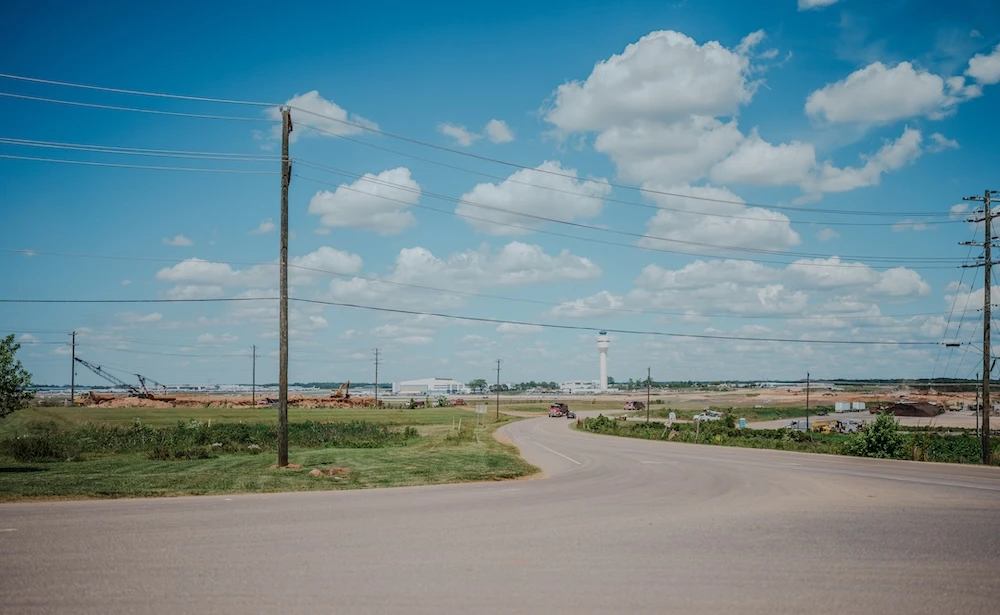
If an issue is encountered in the Phase I report, a Phase II site assessment will be completed to further examine the issue and consider remediation options and associated costs.
If a property owner believes that there are hidden hazards underground from industrial contamination, hidden asbestos, open waste storage, or anything else, they should complete an Environmental Site Assessment (ESA) prior to listing the property so that potential buyers can have full knowledge of the costs of remediation.
5. Market Due Diligence
Market due diligence examines the local market in order to determine whether the property is in a favorable position for market success. It’s also designed to bring to light potential risks in the immediate market which may limit cash flow and business growth.
This step analyzes the local market using a data-driven approach by taking into account information such as comparable property values, average vacancy rates, nearby redevelopment projects or future developments, median income levels, modes of transportation, job creation and employment rates, and local competition.
Analyzing market dynamics gives buyers valuable insight for understanding whether a property offers a competitive position in the local area.
Due Diligence Checklist
A comprehensive commercial real estate due diligence process is a group effort between a number of parties, often including the buyer, a commercial real estate broker, a real estate attorney, property inspectors or engineers, environmental consultants, and sometimes an appraiser. A due diligence checklist can help to make sure everything is completed properly and no important steps are missed.
Here’s an example of some tasks that may be on a commercial due diligence checklist:
- Property condition assessment of all systems
- Inspect building for visible physical defects
- Estimate remaining life of major components
- Confirm life-safety and accessibility compliance
- Review previous 2+ years of operating statements and net operating income (NOI)
- Analyze tax history and projected reassessment
- Build and validate cash-flow projections
- Review title commitment and recorded documents
- Confirm zoning, uses, variances, and special permits
- Review leases, amendments, guarantees, and service contracts
- Order Phase I environmental assessment
- Conduct Phase II testing if recommended
- Check for asbestos, lead, mold, or hazardous materials
- Review market rents, vacancies, and absorption data
- Assess future competing supply and developments
- Evaluate tenant mix and industry concentration
- Confirm fit with investment and exit strategy
Let Regent CRE Help You Navigate the Due Diligence Process
Due diligence aside, any commercial property purchase takes time, careful analysis, and dozens of pages of fine print. If the due diligence process seems overwhelming, keep in mind that working with a competent commercial real estate broker makes the process simple and stress free.
Our team at Regent Commercial Real Estate has completed nearly 1000 successful commercial real estate transactions in the metro Charlotte area. When it comes to due diligence, for us, the process is nothing new. As you consider your next commercial real estate investment, we’re here to help with data analysis, complicated paperwork, and organizing and managing the due diligence period, so that you can focus on running your business.
Whether you’re considering office space, industrial property, or a retail store, when you partner with us, you don’t have to worry about whether you’ve missed a costly detail or critical risk in the fine print. With an experienced advisor guiding each step, you can move forward with confidence, negotiate from a position of strength, and close on a property that truly supports your long-term goals.
Get your free customized market report, or contact us today to get started.
Share This Story, Choose Your Platform!
About the Author: Brian Smith, SIOR | CCIM | MBA

Related Posts



What our clients are saying


Unlock Exclusive Commercial
Property Listings