Amenities in Industrial Commercial Leases: Which Ones Matter and Why?
Prioritizing industrial amenities in commercial leases leads to increased tenant interest and satisfaction as well as higher retention rates. Since the Covid pandemic, companies across nearly every sphere of industry have had to get creative with ways to attract employees back to the workplace. And as the industrial workforce has continued to shrink, it’s more important than ever for the workplace to be an attractive place for employees to clock in each day.
As the tides have shifted, companies have worked hard to offer a better work-life balance to employees. Amenities such as fitness centers, convenient parking options, comfortable break rooms, common WiFi, and even food trucks have been added to improve employee experience.
And for the industrial sector specifically, both convenient access and specific industrial assets (such as high-tech sprinkler systems, advanced automation, and functional layouts) have become more commonplace.
Do Amenities in Industrial Properties Really Matter?

Industrial uses obviously differ from office space use significantly in the type of work that’s performed. For most industrial tenants, employees don’t have the same options to work from home or embrace hybrid work models like white collar industries do. If employees have to report to the workplace every day anyway, do amenities really matter?
Definitely.
First of all, many types of industrial and warehouse spaces are combined with office segments. While many of the workers are performing jobs that cannot be performed elsewhere, often, a significant portion of the employees do have the option to be more mobile in their work requirements. This is especially true for industrial flex space buildings.
But even for companies who have all of the employees working hands-on jobs, the value of amenities has increased.
In the last few years, we’ve seen a significant decline in labor force participation in the U.S. There are many factors that play into this equation. Interestingly, a survey by the U.S. Chamber of Commerce found that in 2022, 49% of people did not want to take a job that didn’t offer the opportunity for remote work. This phenomenon alone has made it difficult for businesses – especially in the industrial market – to attract employees back to the workplace.
But the blue collar, manufacturing, and skilled labor segments have especially suffered in the wake of a smaller workforce. An aging workforce, younger retirement ages, and more unemployment benefits have all contributed to this worrying trend. With baby boomers retiring, we’re seeing a worker shortage across many industries, but especially in blue collar and manufacturing work.
In addition to the aging workforce, the push for college degrees in the last few decades has left a bigger gap in the vital blue collar and skilled trade industries.
A 2024 Deloitte and The Manufacturing Institute Talent Study found that it’s possible that there are “as many as 3.8 million net new employees needed in manufacturing between 2024 and 2033, and that around half of these jobs (1.9 million) could remain unfilled if the talent conundrum is not solved.”
For fields like construction, plumbing, and electric, the statistics are similar. In 2025, the construction industry will need to bring in “454,000 new workers on top of normal hiring to meet industry demand”, found a study by Associated Builders and Contractors (ABC). And the plumbing and electric industry could be thousands of laborers short in the next decade.
Now more than ever, industrial jobs in manufacturing, warehousing, and skilled trades need to be as appealing as possible to employees. The higher demand for employees makes it essential to improve industrial facilities for the purpose of creating a type of space that’s attractive to the workers unique needs.
Choosing Your Next Industrial Investment
When choosing your next industrial investment, keep in mind the significant role that amenities play in attracting and maintaining the right tenants. As business owners work hard to find and maintain employees, property owners have to up their game in order to compete with other industrial space facilities that are available to commercial tenants.
As you search for your next industrial property investment, it’s important to have a thorough understanding of what tenants are looking for, as well as what the competition is offering. The type of building plays a vital role in making informed decisions for amenities. Industrial parks, heavy manufacturing plants, distribution centers, warehouse space, and flex properties all have specific needs for business.
At the same time, a number of amenities are common to all of these types of buildings.
One of the most important factors to consider when choosing commercial properties to invest in is the location. Business owners and management are not just looking for properties that are convenient for business needs, but also that are highly accessible to employees. This includes more than just convenience in regards to major highways and interstates, but also convenient and spacious parking lots for employee use. Easy access to public transportation may also be a consideration.
Other amenities that tend to be important across many types of properties include security and safety, as well as reliable public WiFi.
Investing in industrial real estate can be a great way to generate rental income and enjoy longer leases than other types of properties. For property managers and owners, providing a space that offers important amenities is one of the best ways to build your income-generating potential with happy tenants, long leases, and lower vacancy rates.
Amenities for Industrial Commercial Leases
So what amenities are important for industrial buildings? Here are some to consider:
1. Industrial-specific amenities
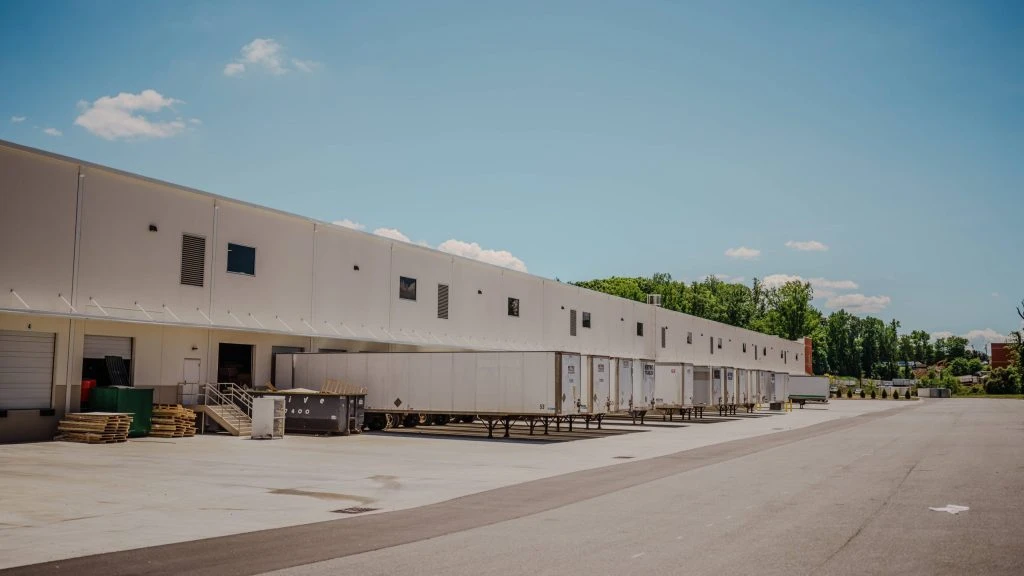
Depending on the type of business, industrial commercial buildings need to have layouts and features that are conducive to the needs of business operations. This can include factors such as high ceilings for storage, loading docks and truck terminals, accessible parking lots, sufficient power supply, and proper fire sprinkler systems.
2. Location and transportation
Proximity to the employee base is a major factor for many businesses who want to decrease their employees’ commute time. Commercial property with easy access to highways and main roads is often considered a significant amenity. But in addition to location, it’s a great idea to provide sufficient parking spaces, free parking to employees, and, if possible, accessibility to public transportation. Electric vehicle charging stations and bike storage may also be considerations in some places, especially in urban areas.
These amenities allow the space to be more accessible to commuters of all types.
3. Break rooms and communal spaces
Comfortable break rooms are important across all industries. But in industrial spaces especially, workers can face physically demanding days and are highly appreciative of comfortable break rooms. Break rooms and common areas should have adequate square footage for the number of employees using the space. Comfortable seating, large windows, and tables can facilitate a restful break.
Other features to consider in these spaces include clean and spacious restrooms, water and coffee stations, and phone charging ports. A range of seating can also be helpful to provide workers with either comfortable chairs for private rest or communal table spaces for camaraderie with other employees.
4. Reliable internet
Even if employees aren’t required to use the internet for work purposes, reliable and accessible internet is becoming less of an amenity and more of a demand. With public WiFi available almost everywhere, the workplace shouldn’t be the one place where employees don’t have access to stable internet.
For industries in which employees need to use the internet for work purposes, this is one of the most important building amenities. There’s nothing more frustrating than not being able to do the job efficiently because the internet is slow or glitching.
5. Adequate Security
A safe building helps to create a more stress-free work environment for employees. This can include fences, surveillance, alarm systems, window protection, motion-sensor lighting, and even a receptionist or reception area. Other security features may include backup generators, fire exits and alarms, and fire sprinkler systems.
6. Fitness centers and recreation areas
Fitness facilities can be an enticing amenity for tenants who like to hit the gym before or after work hours. This can include a functional gym as well as restrooms and showers.
Outdoor amenities and recreational areas are another valuable benefit in industrial complexes. Walking paths, gardens, seating areas, and even outdoor workspaces (depending on the job requirements) can give workers the opportunity to get some fresh air, improve employee morale, and boost creativity.
7. Retail and dining accessibility
Having retail stores and dining options close by can be a serious benefit for tenants. Convenient shopping centers allow tenants to quickly run errands before or after work or grab a bite to eat during the lunch break, freeing up more time in the day and making the work location a more enticing and convenient place to be.
A number of commercial tenants are also turning to food trucks to provide an exciting and delicious dining opportunity for those present. Weekly or monthly food truck assemblies in the parking lot can provide something to look forward to and improve the workplace experience. Many business owners also hire food trucks to cater a communal meal in the break room or common area on a recurring basis.
Differentiating Your Space from the Rest of the Market
While not every amenity is necessarily important to building owners and business owners, investing in the right amenities for your industrial building can be a significant factor in increasing lease rates, experiencing higher tenant retention, and improving the overall employee experience.
In a competitive real estate market, amenities can be the key to differentiating your space from the rest of the properties out there. When considering which amenities you should focus on, it’s important to take into account the location, landscape, type of work being performed, and market conditions. Not every convenience is necessary for every building or business, of course. But choosing the right ones can lead to increased property value and greater demand for your space.
Start with a thorough analysis of similar types of buildings around you in the local market. Working with an experienced real estate broker can give you unique insights to the local competition as well as specific data that may not otherwise be accessible.
Find out what’s needed in your area. What types of employees are around? What are the transportation options like? What type of security measures might be important? Where are the nearest shopping and dining areas located? What types of amenities are other similar buildings offering?
When you go to market your property, don’t be shy about listing the many advantages and comforts that your commercial space offers. From conference rooms and wellness centers to parking options and security, winsomely yet honestly advertising the amenities you offer can help tenants make an informed decision about the property.
Working with a local commercial real estate broker will give you access to the best tools and resources for listing your property. A successful broker will also be able to give you insights as to how to best advertise the amenities available, and whether you should invest in additional facility resources before listing the property.
Our Team at Regent Commercial Real Estate is Here to Help
Whether you’re a commercial real estate investor looking for your next property to purchase or a tenant searching for the best lease option, our knowledgeable team at Regent CRE is here to help. From providing access to exclusive properties to help listing your available space to consulting about building improvements to property management, our extensive experience is your one-stop resource for a successful commercial real estate transaction.
With over 10 years of experience in the metro Charlotte area and nearly 1000 successful lease and sales transactions completed, we understand how amenities impact the potential of commercial real estate spaces in North and South Carolina.
If you’re looking for expert advice in the greater Charlotte region, we’re here for you. Contact us today to get started.
Share This Story, Choose Your Platform!
About the Author: Brian Smith, SIOR | CCIM | MBA

Related Posts


What our clients are saying

Unlock Exclusive Commercial
Property Listings