How to Choose Between Industrial Outdoor Storage and Traditional Warehouse Space
Industrial outdoor storage space is rising in demand all over the United States, and thousands of businesses are taking advantage of the lower cost, versatility, accessibility, and scalability that these properties have to offer.
Making an informed decision between industrial outdoor storage (IOS) space and a traditional warehouse building involves many factors, such as the need for outdoor yard space, the type of materials stored, accessibility needs, security requirements, and more. The “best” option depends on your specific needs, and in metro Charlotte’s growing industrial segment, Regent CRE is ready to help you assess the local market in light of your unique business requirements.
Industrial Outdoor Storage Vs. Traditional Warehouse – What’s the Difference?
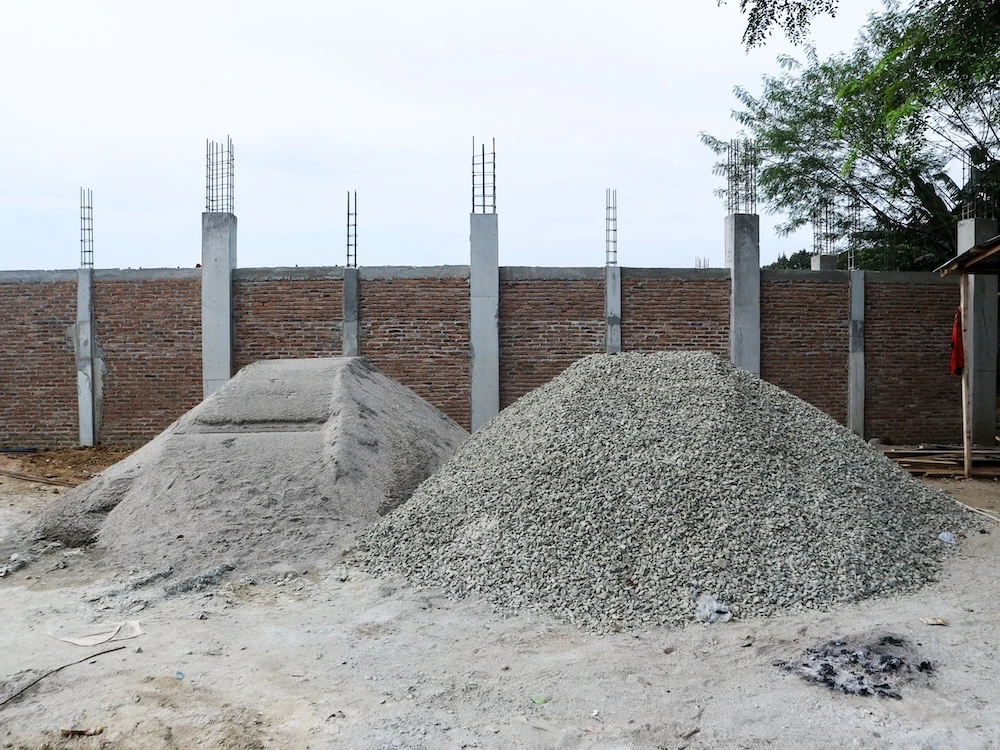
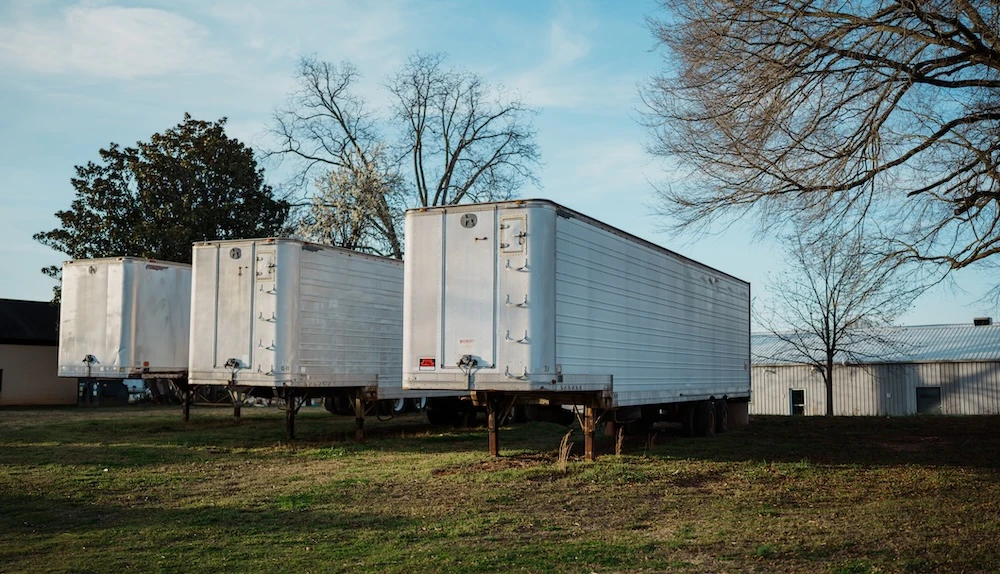
Industrial outdoor storage (IOS) is a type of industrial real estate that’s primarily made up of land or yard space (typically at least an acre or more), often with a small building on the property. IOS properties are generally used for storing equipment, vehicles, trailers, materials, or containers, or for fleet parking. Building supply houses, equipment rental companies, last-mile logistics users, landscaping businesses, auctioneers, and agricultural users are just a few types of tenants who take advantage of these outdoor storage spaces.
Traditional warehouse space, on the other hand, looks more like an enclosed building typically used for storing inventory, and sometimes for processing orders, staging goods, or light industrial operations. Indoor warehouse space generally has racking which often holds raw materials, inventory overflow, finished goods, and more. In a traditional warehouse storage space, you’ll find a few dock doors, fire sprinkler systems, specific clear heights, organized parking spaces, and usually a small office area within the building.
The key differences between industrial outdoor facilities and traditional warehouses include:
- Outdoor vs. indoor storage experience. IOS sites accommodate non-fragile items that are generally also weather-resistant and are able to be kept in the elements or under shelters. Traditional warehouses are ideal for companies storing numerous smaller items that need to be well organized and/or protected from wind, rain, and temperature fluctuations.
- Amount of space. While traditional industrial properties and warehouses have a limited amount of square footage, specified clear heights, and sometimes restricting column spacing, outdoor storage space is much more open and allows more room for maneuvering equipment and organizing materials.
- Cost. For businesses who are storing vehicles, large industrial equipment, and weather-proof materials, industrial outdoor options can be significantly more cost effective than indoor warehousing. Not only is the cost per square foot much less, but outdoor storage spaces typically require fewer maintenance costs as well.
- Accessibility. Outdoor storage means there are far fewer accessibility hurdles to worry about when loading and unloading. Clear heights, column spacing, and even floor load capacity are far less important—and often non-existent—factors when it comes to accessing materials and equipment.
Finding the right storage solution depends on a myriad of factors. There’s no right or wrong choice—just what’s right for your business. Some businesses also need a hybrid setup with both indoor and outdoor space.
Pros And Cons of Industrial Outdoor Storage (IOS)
Let’s take a closer look at the pros and cons of buying or leasing industrial outdoor storage space. Keep in mind that these locations are typically an acre or more and often have just a small building on the property.
Pros of IOS
- Lower cost per acre/square foot. Compared with enclosed warehouse space, the cost per square foot (or acre) is significantly less for open-air spaces. This is ideal for companies storing large, weather-proof materials and equipment.
- Easier to accommodate oversized assets. Larger items such as trucks, trailers, heavy machinery, building materials, and other bulky items are much easier to store in open, outdoor storage facilities. Open lots also accommodate easier drive-up access, especially since IOS properties are often found in strategic locations off highways and interstates, yet outside of main residential hubs.
- More flexibility. For businesses who don’t need climate control or dense vertical storage, an outdoor storage facility can provide a lot more flexibility and scalability, resulting in greater operational efficiency as the business changes or expands. For businesses who expect seasonal changes or other changes in the type of equipment or materials stored, outdoor storage yards make it much easier to adapt.
Cons of IOS
- Weather challenges. While some IOS facilities feature partially covered spaces or enclosed outdoor storage units, equipment is often exposed to wind, rain, and UV rays. For products and equipment that require a climate-controlled environment, regulated humidity levels, and protection from the elements, an indoor warehouse is a better option.
- Security. Typical security measures for outdoor storage options include fencing, lighting, surveillance cameras, and regular security checks. Nonetheless, smaller, highly valuable items may require the additional security that indoor spaces provide.
- Extra due diligence. Naturally, outdoor lots require slightly different focuses when it comes to due diligence. It’s important to check on paving, fencing, lighting, access, and allowable use (zoning) before closing on an IOS property. An experienced realtor can guide you carefully through the due diligence process.
Pros and Cons of Traditional Warehouse Storage
Traditional warehouses—with their organized racking, protection from extreme weather conditions, dock doors, and other indoor amenities—have their own pros and cons compared with IOS space. The best choice depends on the specific needs of each company.
Pros of Traditional Warehouses
- Better protection. Indoor storage facilities offer more protection from theft, damage, extreme temperatures, and other environmental factors. Modern warehouses often have highly advanced security features, and some even have climate-controlled units.
- More suitable for smaller and sensitive items. Indoor facilities tend to better suit smaller types of inventory, packaged goods, temperature-sensitive items, and operational workflows.
- Better for packing and assembly. Although true warehouses are usually storing items rather than assembling and shipping them, the racking, dock doors, and office buildout options that are available in an indoor facility make it much easier to support packing or assembly in any capacity.

Cons of Traditional Warehouses
- Budget constraints. While indoor warehouses offer an extra layer of protection, they usually come with higher rent, greater buildout and operational costs, and stricter building requirements.
- Less flexibility. Enclosed buildings are naturally less flexible for storing awkward or bulky items, large vehicles, and outdoor equipment. In addition, they can feel like a waste of space for yard-intensive operations.
- Building restrictions. Ceiling height, loading capacity, dock access, and clear span space are all factors to consider, even in a larger building. On the other hand, IOS provides ample space for storage and loading/unloading.
How to Choose: IOS Vs. Warehouse
Choosing the perfect storage solution for your business isn’t always a straightforward decision. It’s vital to take into account key factors such as the size and type of items being stored, whether frequent access is needed, budget constraints, and more. Assess also the possibilities of future growth and changes in day-to-day operations that may require building flexibility in light of the available properties in your region.
Here are a few of the most important categories to consider in light of your company needs.
- Materials stored. Consider what types of materials the business stores, moves, or operates on a regular basis. Does the business strictly need warehouse storage, or is there distribution and assembly happening? Is both warehouse and yard space needed?
- Weather protection. Indoor vs. outdoor: how much protection do the items need? For businesses storing trucks, trailers, heavy equipment, or landscaping materials, outdoor warehouses can be an ideal and cost-effective choice. On the other hand, a climate-controlled area in an indoor warehouse is necessary for businesses storing perishable or sensitive items, as well as smaller units that may need more intricate organizational structure.
- Total cost of occupancy (TCO). Keep in mind that rent isn’t the only number to consider when calculating costs for a new warehouse. Utilities, maintenance, improvements, operating expenses, and management costs should all be factored into the equation. In addition to costing less per square foot, IOS often incurs fewer operating costs due having smaller and simpler buildings.
- Truck access. Consider how often trucks need to access the building/storage yards as well as whether turning radius, ingress/egress, and parking are critical. In regards to loading and trucking, be sure to take into account other possible factors that could affect your specific business, such as ceiling height, dock count, floor load capacity, seasonal mud and other weather conditions, and whether the parking lot/trucking usage combination will create bottlenecks.
- Future growth and operational flexibility. Is the business expected to grow in the near future? Will there be seasonal changes or business adjustments that could affect trucking and traffic patterns, storage needs, or indoor/outdoor capacity? The right type of storage building or lot will be able to accommodate potential future changes and evolving needs. Keep in mind that outdoor lots are often easier to adapt and expand than indoor warehouses.
- Local zoning restrictions. Make sure that local zoning laws and use restrictions support your business functions and that the property or warehouse can legally support intended operations. Working with an experienced, local commercial broker can give you peace of mind when it comes to evaluating zoning restrictions that could put a halt to your business operations.
Common Business Types That Fit Each Option
Who are the most common users of IOS and warehouse buildings? Common business types that fit each option include:
- Industrial Outdoor Storage: Contractors, utility companies, logistics firms, trucking operations, equipment rental, landscaping, material storage, trash storage, building supply houses, auction lots, last-mile logistics facilities, and portable building staging are just a few users who tend to find IOS the most practical option.
- Warehouses: E-commerce, distribution, light manufacturing, assembly, food-related storage, and temperature-sensitive inventory typically require indoor warehouses.
- Combination: Some businesses, such as distributors with fleet operations, may need both warehouse and yard space.
The decision to lease an industrial outdoor storage lot or warehouse building has a significant impact on the future of a business. Matching the business model to the right property type reduces operating friction, improves efficiency, and sets the business up for future flexibility and operational needs.
Finding Your Next Charlotte IOS or Warehouse Location in Metro Charlotte
While they’re both tailored to warehouse-oriented users, IOS and traditional warehouse space each solve different problems. The right choice for your business depends on your specific needs and operations—not what’s most popular.
And while the type of building matters tremendously, the location matters just as much—affecting delivery routes, labor access, highway proximity, cost, and more. The metro Charlotte area is an attractive location for industrial users of all types, sporting logistics access, regional growth, and diverse industrial submarkets.
In a hot industrial market, Brian Smith and Regent Commercial Real Estate are here to be your personal guide. From creating a custom property list to navigating market trends, zoning laws, and due diligence, we understand that the right choice depends on your unique business—not the property that looks the best online.
Whether you’re just beginning your research and have a list of questions or you’re ready to start your search for the perfect fit, Regent CRE is here for you. Request your free, customized commercial property report or contact us today to see how we can help.
Share This Story, Choose Your Platform!
About the Author: Brian Smith, SIOR | CCIM | MBA

Related Posts



What our clients are saying


Unlock Exclusive Commercial
Property Listings