10 Factors to Consider When Leasing Flex Space – And Why You Can’t Overlook Them
Flex space is a multi-functional real estate option that’s continuing to attract more businesses. As building owners and real estate investors capitalize on the demand for flex space, tenants are also taking advantage of the cost benefits and versatility opportunities that this type of space has to offer. But although most areas have a variety of flex commercial properties available, finding the right space for you is essential for growing your business. Here are 10 factors to consider when leasing flex space that can transform your tenant experience.
Why You Should Consider Leasing Flex Space
Flex space is becoming a more and more popular option in the commercial real estate market, and for good reason. Unlike traditional office space or warehouse space, flexible space is a type of commercial property that blends the two uses into one building, allowing business operations to be performed in one business space.
This combination of office and warehouse space not only tends to reduce overall costs for the business, but also provides flexibility for changing needs. Flex buildings usually come with shorter lease terms, adaptable and (in many cases) shared spaces, shared amenities (in some buildings), and the option for multiple uses in the same building (such as office, warehouse, and retail use).
This makes flex space ideal for small businesses and startups whose needs may change quickly or who aren’t ready to commit to a traditional 7-10 year lease. Because of the shorter lease terms and flexibility within the space, businesses can lease flex space without feeling stuck for years at a time. Most flex spaces also tend to provide the versatility to have more or less employees by rearranging the space if needed.
What Types of Businesses Benefit from Flex Space?
Flex space is used by many types of businesses, especially those who anticipate growth and changing business needs. Because of the combination of office and warehouse space, it’s especially popular with service-oriented businesses, e-commerce companies, research and development (R&D), and studios.
Flex space tends to be located in highly accessible areas, such as near major highways and interstates. This makes it easy for service businesses to access a broad customer base without excessive drive time.
Common types of businesses who benefit from flex space include:
- Carpenters and general contractors
- Plumbers
- Cleaning companies
- Pest control companies
- Distribution and logistics companies
- Artists and designers
- Fitness centers
If your business goals include lower costs, adaptability, and access to customers and employees, this type of property is definitely worth considering.
10 Factors to Consider When Leasing Flex Space
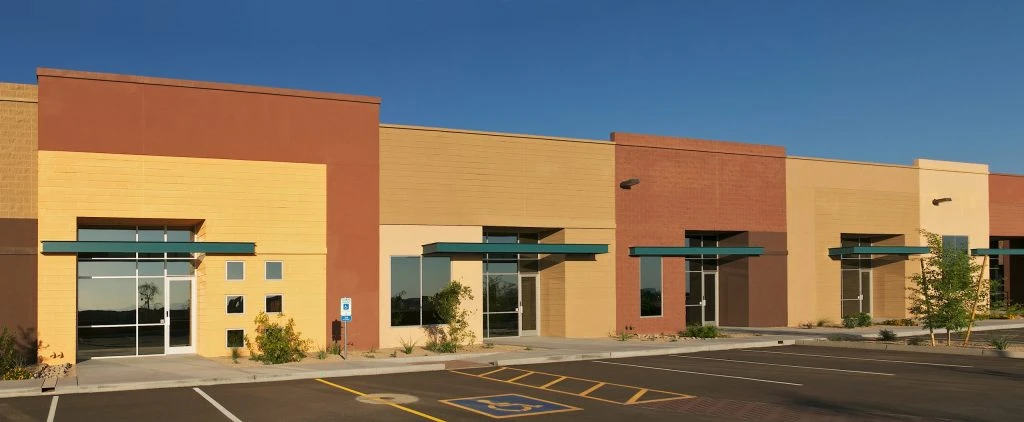
When choosing flex space, it’s important to both consider the needs of your growing business as well as have a thorough understanding of what a potential property offers. Lease terms, zoning, maintenance costs, and parking are just a few factors that deserve consideration and careful planning. Although flex space tends to be highly adaptable and have shorter lease terms compared to other industrial properties, its features, lease terms, and cost can have a considerable impact on the future of your business.
Here are 10 factors you should consider when leasing flex space.
- Length and type of lease
- Zoning
- Cost
- Proximity to your customer base
- Proximity to your employees
- Flexibility of the layout
- Office setup
- Maintenance costs
- Parking options
- Amenities
1. Length and Type of Lease
Unlike a traditional commercial lease that can often span 7-10 years, the lease agreement for flex space typically spans a much shorter term – typically just a couple of years or even less. Many flex space leases can even be month-to-month or quarterly, giving the lessee maximum flexibility for staying or moving on to a different space if needed.
When choosing a flex space, a proper understanding of the lease negotiation process is essential. More than just agreeing on the cost and length of the lease, you’ll want to ask about potential tenant improvements, included amenities, subleasing rights, what insurance is included, landlord/tenant responsibilities, parking options, and potential rent increases.
The leasing process can be complicated, especially when it comes to understanding numerous pages of fine print details. Having a tenant representative who understands the ins and outs of lease types and negotiations can be an invaluable asset to your flex space leasing process.
2. Zoning
For business owners, it’s essential to check on zoning requirements and restrictions for a property before jumping in. Zoning restrictions vary by municipality, and you’ll want to be sure that all of your business operations are able to be performed in any potential space.
Certain types of retail and manufacturing are not allowed in every area. If you’re working with a real estate agent, he or she will be able to help you navigate zoning laws as you search for your ideal property.
3. Cost
Overall, flex space is typically leased at a more affordable cost than traditional office buildings. In addition, it sometimes minimizes the need for a business to lease two separate buildings (an office space and a warehouse space), which can significantly lower real estate costs overall.
However, the cost of monthly rent isn’t the only financial factor to consider. You’ll also want to have a thorough understanding of additional costs such as maintenance (HVAC systems, sprinkler systems, equipment inspections, etc,), ongoing costs (cleaning services, internet access, trash removal, security, etc.), utilities, property taxes, insurance, and possible lease increases.
Besides regular bills, the distance to your customers can also affect the amount of gas and time you and your employees will need to spend commuting on a daily business.
4. Proximity to Your Customer Base
Flex space is often found in convenient locations that offer quick access to highways and interstates. This makes it easy for businesses to reach clients quickly, or for retail customers to stop by the location (in the case of retail businesses).
However, just because a commercial space provides easy access to major roadways doesn’t mean that it’s ideal for your customers and clients. Consider the locations of your current client base as well as your target audience before choosing a location.
5. Proximity to Your Employees
In addition to considering where your clients are located, it’s also a good idea to think about your employees. Does leasing a new flex space significantly increase their commute time?
Besides the proximity to where your employees live, you might also want to take into account what other businesses are near your potential new location. Are there easily available convenience shopping and dining options within walking or close driving distance? Nearness to other local businesses makes it easy for employees and customers to grab a bite to eat or combine other errands when accessing your location.
6. Flexibility of the Layout
Because flex buildings typically include a warehouse portion and an office portion, they’re excellent for companies who need space for industrial use as well as administrative areas. The warehouse side may have loading dock and/or roll-up door, storage options, sprinkler systems, and other warehouse features.
On the office side, you may find common areas, conference rooms, individual desks, and common workspaces.
While many portions of the layout might be flexible – such as the desk or workspace setup – other portions may not be, like physical walls. The amount of square footage also may or may not be adaptable, so be sure to ask the landlord if you can expand into additional available space in the future if needed.
7. Office Setup
For many businesses using flex space, office and administrative workers aren’t all necessarily on a typical 9-5 schedule. A lot of businesses who use flex property have part-time office workers or employees who spend a portion of the work day at a desk and another part in the warehouse or other areas of the building.
And for startups, the number (and hours worked) of office workers can certainly fluctuate as the business grows or changes.
When considering the office setup, you’ll want to take into account how easily it can be adapted for the number of workers and the type of work that needs to be performed. A lot of flex office space doesn’t have as many windows as traditional commercial office spaces, which can be discouraging if you have a lot of employees spending a majority of the day in the office.
An open floor plan can also make working difficult if employees need focused or private space. But open office areas can also be a plus for companies who prioritize collaboration, ease of movement, and frequent brainstorming sessions.
8. Maintenance Costs
Since flex properties combine both warehouse and office real estate space, they can sometimes have higher maintenance costs, since you’ll be paying for maintenance on both the warehouse features (HVAC, sprinkler systems, power and electrical, and equipment) as well as office features (wiring, office equipment, etc.).
Before agreeing to lease a building, make sure that you won’t be paying for features that you don’t need, or at least that the costs are worth the overall savings.
9. Parking Options
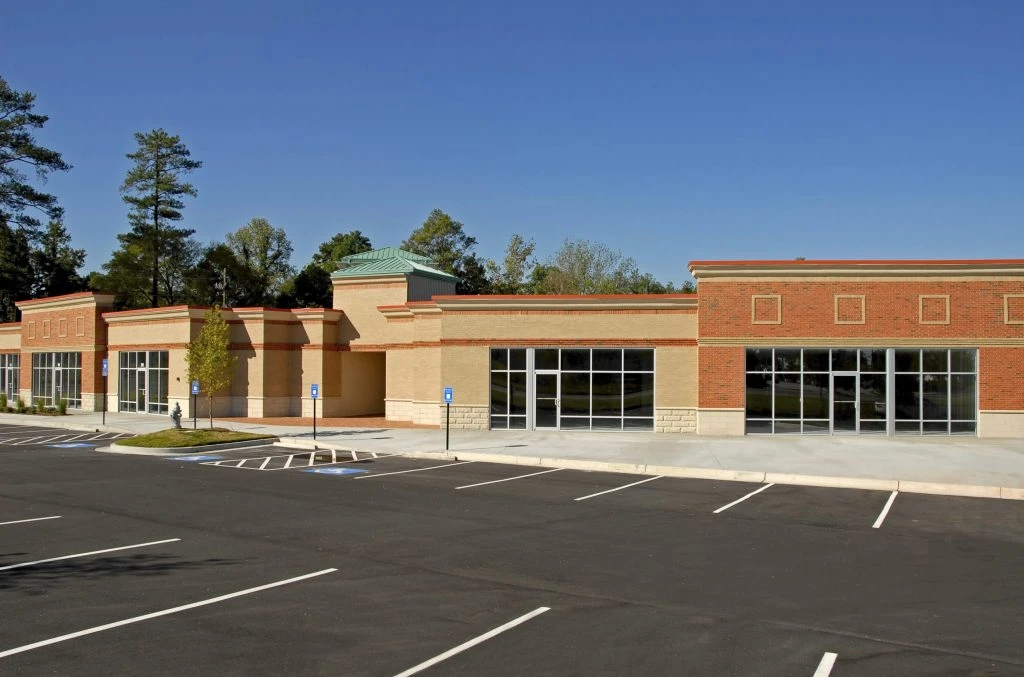
The parking area for flex space is usually not as extensive as parking for typical warehouse or industrial buildings. This is because most of the time, flex users won’t have multiple trucks and trailers needing to use the lot at once.
Think through your parking needs and whether the area fits your intended usage.
Is it large enough to host the type of vehicles that will be frequenting your building? Are there enough parking spaces for employees and customers (in the case of retail space)? Is the lot easily accessible for employees who may be going in and out of the building often during the day?
10. Amenities
Lastly, check to see what amenities are offered with the space. Some popular amenities might include:
- Coffee bar or kitchen area
- Break rooms
- Restrooms
- Security systems
- Printing equipment
- Reliable public WiFi
- Outdoor seating or paths
- Ergonomic desks and workspaces
- Cleaning services
- Fitness facilities
- Vehicle charging stations
As business owners have had to work harder to find and keep employees, many property owners have in turn made an effort to provide more amenities in all types of spaces.
FAQs on Factors to Consider When Leasing Flex Space
How long are flex leases?
Flex leases are typically shorter than traditional commercial leases. Unlike a traditional 7-10-year lease option, flex leases often have a period of just a year, although they can even be month-to-month, quarterly, or 6 months in length.
How are flex properties zoned?
Flex properties are often zoned as mixed-use or industrial/light industrial, although specific zoning depends on the municipality. They often have allowances for retail, office, or showroom use.
Because zoning can vary significantly by location, it’s vital to understand how a property is zoned and what those zoning requirements allow before you close a deal.
Are maintenance costs higher for flex properties?
Maintenance expenses can be higher for flex properties due to the dual nature of the warehouse/office combination. This means that you’ll not only be paying for warehouse maintenance features (such as HVAC, sprinkler systems, electrical, etc.), but also for office maintenance costs such as wiring and janitorial services.
What is parking like for flex properties?
Flex parking lots are typically smaller than traditional industrial or warehouse lots. Since they don’t usually need to accommodate large trucks and trailers, they’re generally just sizable enough to host employees and customers as well as small trucks (think UPS, Amazon, or FedEx).
Let Us Take the Hassle Out of Finding Your Next Flex Space
At Regent Commercial Real Estate, we feel privileged to help our clients make informed decisions in the commercial real estate market. With over 10 years of experience in the metro Charlotte area, we understand the trends in flex properties and are here to guide you through the decision-making process.
From understanding lease terms and zoning requirements to comparing costs to brainstorming layout options that work for your business, we’re here to take care of the not-so-fun parts of the leasing process.
We’ve completed over 500 successful flex property transactions alone in North and South Carolina. We’re here to lend you our knowledge and experience so that you can find the best property for your needs while optimizing your budget and enjoying more time to focus on your business.
Ready to take the next step? Get your free market report with a customized list of metro Charlotte properties that fit your qualifications! Or, contact us today to discuss your commercial real estate needs.
Share This Story, Choose Your Platform!
About the Author: Brian Smith, SIOR | CCIM | MBA

Related Posts



What our clients are saying


Unlock Exclusive Commercial
Property Listings