Understanding Office Space Classifications – Class A, B, and C Buildings Explained
Building classes are a method of organizing office space and other commercial properties into categories which demonstrate their value. Office spaces are classified into Class A, Class B, or Class C by taking into account features such as the condition and age of the building, amenities, market location, infrastructure and building materials, design and curb appeal, and more.
While older buildings in less desirable areas may be grouped into the Class C category, the highest quality buildings with best-in-class amenities and located in a central business district are slotted into Class A, and procure the highest rents relative to the area.
KEY TAKEAWAYS / TL;DR
• Office buildings are classified into Class A, B, or C categories based on factors including location, age and condition, amenities, infrastructure quality, building materials, and tenant mix.
• The office classification system is informal and relative rather than standardized. Classifications are determined by building owners, brokers, lenders, or landlords based on local market comparables.
• Class A office spaces represent the highest-quality buildings in a market with premium materials, modern systems, extensive amenities, and prime locations that command the highest rental rates.
• Class B office buildings are typically 10-20+ years old with functional finishes and adequate systems, offering mid-range rental rates and often serving cost-conscious growing companies.
• Class C buildings are the most affordable option. They’re often 20+ years old with outdated systems and minimal amenities, and/or are located in fringe areas. They’re suitable for startups, small businesses, or value-add redevelopment opportunities.
Why Office Classifications Matter

Property classifications offer an at-a-glance understanding of a property’s value and characteristics to brokers, buyers, and renters. While there’s no universal standard for filing properties into each specific classification, a building’s allotted office class gives a convenient understanding of where it falls in comparison to others in its local area.
This information allows tenants to quickly decide whether a prospective building aligns with their goals for business image, employee experience, cost, and more. It can also give insight into value-add plays, where Class B or Class C assets can be upgraded through building improvements, system upgrades, and amenity additions to capture higher rents.
Who Determines a Building’s Classification Between Class A, Class B, and Class C?
The office classification system, while widely used, is informal in that it is not a standardized grading system with specific metrics for categorizing buildings. Instead, classes are relative – based on neighborhood comparables and driven by local market data. They can shift as buildings age or are updated, or as localities improve or deteriorate.
No single entity determines the classification of a commercial office building. Instead, building owners, brokers, lenders, or landlords assess the building and place it into its most reasonable office classification bracket for the purpose of informing potential tenants and other brokers.
Key Factors That Drive Building Classification
What factors primarily determine whether an office space gets marked as a Class A, Class B, or Class C? Before we dive into what each of these types of spaces might look like more specifically, let’s take a look at the most common qualities that help sort buildings into their specific classes.
Key driving factors for office building classification include:
- Location: A property in a prime location among a busy business district may be classified as a Class A building, while a less accessible office in a fringe district may be a Class C space.
- Age and condition of the building: Newer buildings with on-trend updates and maintained systems and infrastructure, or overhauled buildings with new infrastructure upgrades pose a stark contrast when compared with Class C properties that are aging and require significant maintenance or remodeling work.
- Amenities: Modern amenities such as fitness centers, on-site parking, conference rooms, modern lobbies, fully-outfitted break rooms, and food centers have Class A qualities, while commercial buildings with fewer amenities and employee comforts are typically grouped into Class B space or even Class C.
- Building systems: The existence and quality of HVAC systems, elevators, energy efficiency systems, security measures, and IT infrastructure are other factors that help to determine whether a commercial space should be classified as Class A, B, or C.
- Building materials, design, and finishes: Metal panels, floor-to-ceiling glass, stone tile, high-quality finishes, and premium millwork differentiate Class A buildings from Class B or Class C office buildings. Lower classes may feature utilitarian physical characteristics such as older brick construction, mid-grade carpet or tile, standard hardware, minimal detailing, simple dropped ceilings, and standard building lighting.
- Tenant mix: Tenant mixes can swing significantly from national or blue-chip tenants to smaller local tenants with a high turnover skew. A property’s tenant profile is another determining factor in the organizing of building classes.
How Location Quality Impacts Office Classification
| Location Type | Typical Classification | Access & Visibility |
| Central Business District | Class A | High foot traffic, major transit hubs |
| Suburban Business Corridor | Class A or B | Good highway access, parking available |
| Secondary Market Area | Class B or C | Moderate accessibility, lower visibility |
| Fringe/Industrial Zone | Class C | Limited access, away from business centers |
What is Class A Office Space?
Class A office spaces are the most modern, elegant, and well-cared for buildings in a given market. They’re the highest-quality buildings available in a locale, and are typically either new buildings or newly renovated spaces in the most desirable locations, such a busy financial district.
Class A offices often have high ceilings, new roofs, modern HVAC and electrical systems, and glass, metal, or premium stone materials. Not only are they constructed with top-grade materials, but their high-end finishes, appealing landscaping, professional management, and accessibility add to their curb appeal.
Class A offices typically have high lease rates and are often occupied by law firms, financial institutions, corporate headquarters, and regional offices.
Common Features of Class A Office Buildings:
- New office space or newly renovated buildings in prime locations
- Top-notch security systems
- Ornate lobbies
- Fast Wi-Fi
- On-site property management
- Parking garages
- Fitness centers, cafés, daycare, valet service, elevators
- Green building certifications
- Premier tenant mix
- Green space
| Amenity Category | Class A Features | Tenant Benefit |
| Building Services | On-site management, valet, concierge | Professional image, convenience |
| Wellness | Fitness centers, outdoor green space | Employee health and retention |
| Technology | High-speed Wi-Fi, smart building systems | Operational efficiency |
| Dining | Cafés, full-service restaurants | Time savings, workplace satisfaction |
What is Class B Office Space?
Class B office buildings are typically 10-20+ years old. They may be situated in prime locations with good access, but lack modern updates and systems. In other cases, they’re located in slightly less desirable areas, but are bolstered by updated infrastructure and systems and plentiful creature comforts.
Class B offices are typically recognized by functional materials and finishes, satisfactory security systems and HVAC, adequate building management, and decent access.
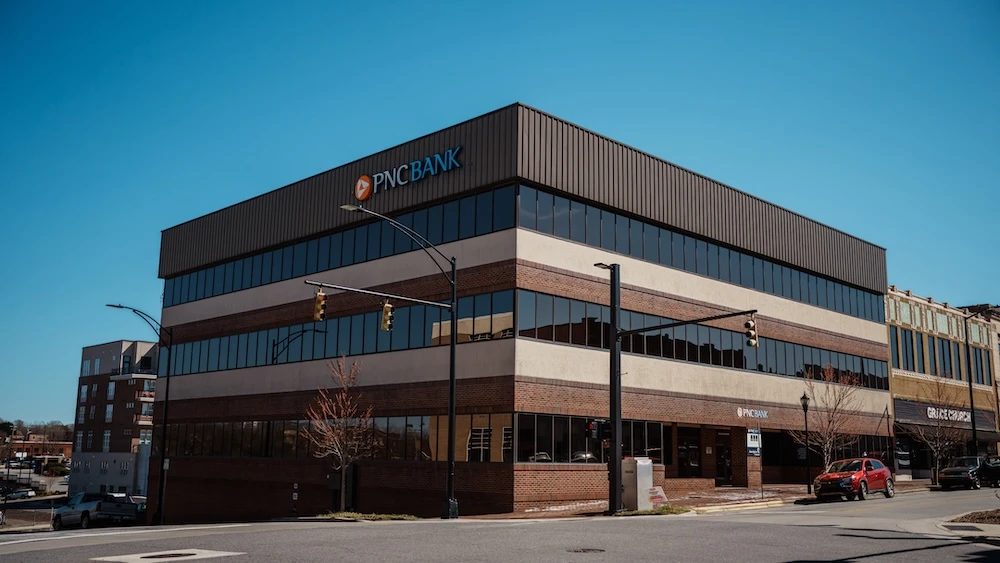
In some cases, well-located Class B buildings can be restored to Class A level with system and construction updates and the addition of contemporary amenities.
Class B properties are usually leased by cost-conscious growing companies, local professional services, IT centers, creative agencies, consulting services, and other local businesses.
Common Features of Class B Office Buildings:
- 10-20+ years old
- Basic finishes
- Functional construction
- Clean lobbies
- On-site parking
- Decent accessibility
- Adequate technological capacity
- Basic security
- Shared outdoor areas
- Fair to good curb appeal
- Class B tenants in close proximity
What is Class C Office Space?
Class C buildings are the most affordable, but also the most dated, least desirable buildings in the market. General characteristics of these spaces include being at least 20 years old with older systems (mechanical, HVAC, electrical, etc.) and few amenities. In addition, they’re most often located in fringe areas away from the central business district.
While Class C offices are not a first choice for those who want a turnkey space or a prime location, they can be a top choice for tenants who are ready to invest in re-development opportunities or put some elbow grease and cash into remodeling the building. Since they have the lowest rental rates, sometimes they’re the best candidates for conversion or adaptive reuse over time.
Typical tenants who gravitate toward Class C buildings include startups, small businesses, non-profits, and back-office operations that are primarily driven by low rent. For creative or niche users, they’re often worth the flexibility that low rent provides.
Common Features of Class C Office Buildings:
- 20+ years old
- Undesirable locations with limited access and away from downtown areas
- Bare-bones structural shell/outdated designs
- Outdated technology and infrastructure
- Very limited amenities (such as meeting rooms, lobbies, common areas, outdoor spaces, natural light, parking, centralized HVAC, and shopping conveniences)
- Extremely affordable options often in need of substantial updates and renovations
Side-By-Side Overview of Office Building Classes (Class A, B, and C)
| Factor | Class A Office | Class B Office | Class C Office |
| Age | New or fully renovated | 10–20+ years old but well maintained | 20+ years old |
| Location | Prime CBD or highly accessible suburban areas | Good access with fewer updates OR less desirable locations with modern systems | Undesirable, fringe locations |
| Infrastructure | Premium building materials, modern architecture, high-end finishes | Standard systems and materials | Bare-bones structures and systems in need of renovations |
| Amenities | Extensive comforts (fitness centers, upscale dining, concierge services) | Basic comforts (clean lobbies, security, outdoor areas) with few “extras” | Minimal, outdated amenities |
| Typical Rents | Highest rates in market | Mid-range rental rates | Lowest rates in market |
| Tenant Type | Large corporations, law firms, financial institutions, regional headquarters | Local firms, growing companies, professional services | Startups, small businesses, back-office operations, investors for adaptive reuse |
Tenant Types by Office Classification
Who uses Class A, Class B, and Class C office space?
Class A gives the benefit of a prestigious appearance and the maximum number of comforts to employees and visitors.
Class B space is typically the best option for growing companies who aren’t ready for Class A space or simply don’t need all the niceties that Class A offices offer.
Class C office space is a great option for startups with limited budgets, or those who are ready to invest some elbow grease.
| Classification | Primary Tenant Types | Key Priority |
| Class A | Law firms, financial institutions, corporate HQs | Prestige and image |
| Class B | Growing companies, professional services, IT firms | Cost-conscious quality |
| Class C | Startups, non-profits, back-office operations | Affordability and flexibility |
FAQs About Class A, B, and C Office Buildings in Charlotte, NC
Where are the best office buildings in Charlotte?
The best office buildings in Charlotte are concentrated in Uptown’s central business district. Uptown’s Class A properties offer premium amenities, modern infrastructure, and prestigious addresses.
Key submarkets include South End, Ballantyne, and the I-77 corridor, which each offer distinct advantages depending on business needs.
Well-located properties near major interstates like I-85 and I-485 also provide excellent accessibility for suburban businesses seeking Class A or B office space.
Can a building’s classification change over time?
Yes, office building classifications are fluid and can shift as properties age, undergo renovations, or as market conditions change in the surrounding area.
A Class B building can be elevated to Class A status through substantial infrastructure upgrades, modern amenity additions, and premium finishes. Conversely, a Class A building may slip to Class B if it becomes outdated and fails to keep pace with newer competitive properties in the market.
Are financing options different between Class A, B, and C office investments?
Lenders typically offer the most favorable terms for Class A properties due to stable tenant profiles, higher occupancy rates, and lower perceived risks.
Class B buildings often require slightly higher interest rates but still attract conventional financing.
Class C properties are prone to more stringent lending requirements and may require specialized financing due to deferred maintenance, tenant turnover risk, and the capital investment needed to reposition the asset.
Get A Free Customized Market Report for Metro Charlotte Offices
The metro Charlotte commercial real estate market is bursting with options for office space – from high demand Class A new builds to compelling prospects for Class C office opportunities with significant future promise. Whether you’re looking for a premium office building with flexible floor plates and open ceilings in Uptown, or need a functional space with quick access Charlotte’s convenient interstates, our team at Regent CRE is here to help you hone in on your ideal office opportunity.
As an industry leader in the world of commercial real estate, Brian Smith has completed nearly 1000 successful sales and lease transactions in the greater Charlotte area and holds prestigious real estate credentials, including SIOR and CCIM. But what sets him apart is a true concern for each client’s need throughout every step of the process.
Ready to find your next Charlotte office space? Request your exclusive commercial property report or contact us to start the conversation.
Share This Story, Choose Your Platform!
About the Author: Brian Smith, SIOR | CCIM | MBA

Related Posts




What our clients are saying


Unlock Exclusive Commercial
Property Listings