How to Find Your Ideal Amount of Office Space Per Employee
Searching for a new office space? Before you start visiting properties, you’ll need to know approximately how much office space you’ll need per employee as well as for your specific company needs. While there’s no one-size-fits all answer to this question, there are some helpful guidelines to go by when you’re determining your office space requirements.
Let’s dive into some of the questions you’ll want to ask yourself before landing on number for your prime amount of office square footage.
Why The Right Amount of Office Space Matters
When searching for a new office property, location, features, and price are all important factors. But in addition to these considerations, it’s vital to carefully think about how much space you’ll need.
While a set number of square feet per employee would make the task easier, the reality is that every business is different, and office space needs will vary considerably across industries, employee needs, and future growth projections.
Thoughtfully choosing the right amount of office space creates a work environment that maximizes employee satisfaction and creates a positive company culture. When employees feel cared for and have the space, layout, and equipment needed to effectively complete their tasks, company morale increases and employees tend to be happier and more engaged.
In addition, a better employee experience also improves performance and leads to a higher level of employee productivity. This not only boosts workplace attitudes and drive, but ultimately, the company’s bottom line.
With all this in mind, choosing an office building with ample space – without going overboard – is imperative for an effective business.
At Regent CRE, over and above finding you the right property, our goal is for your business to thrive. Helping you secure an office building that’s perfect for your business is one important step in that journey.
What If You Have Too Much Office Space?
The obvious concerns of having too much extra space are higher overhead costs and extra maintenance costs. Wasted space can add significant unnecessary expenses for your business.
Adding extra costs to your business is no joke, so it’s crucial to consider projected future growth, the flow of your space, and employee needs before choosing a building.
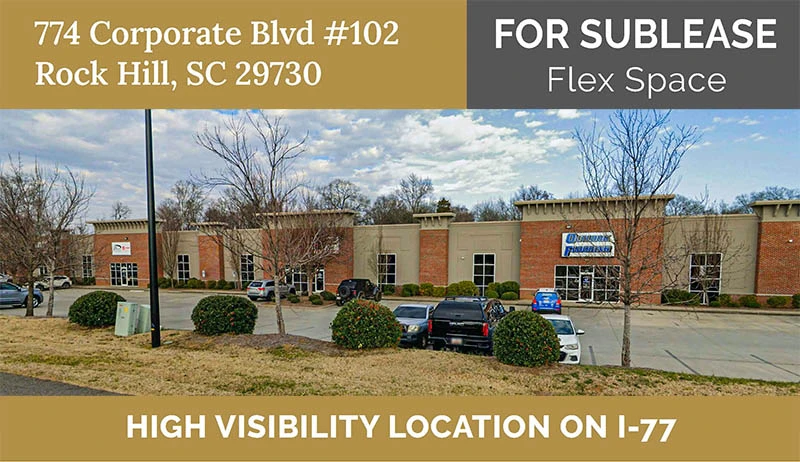
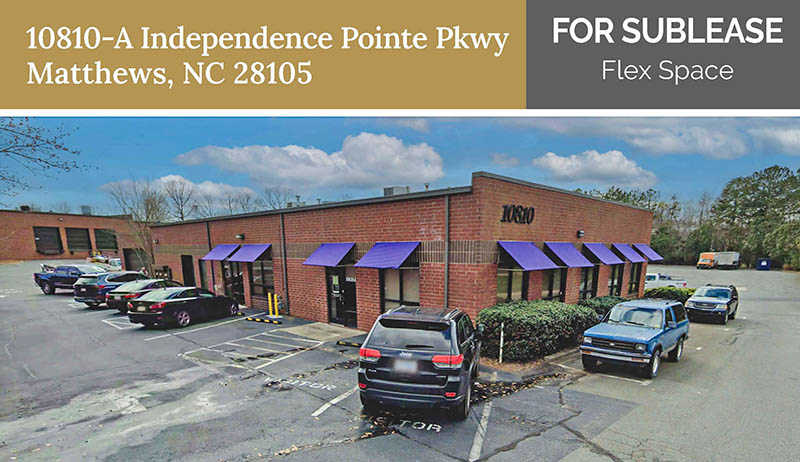
However, if you do find yourself in the middle of a lease with more than enough space in the building, subleasing can be an excellent option for recuperating some of your costs. Keep in mind, though, that sublease rights need to be discussed when negotiating your commercial property lease. Not all leases allow subleasing. Working with an experienced tenant representative is the best way to ensure that you can take advantage of expert negotiation skills, bolstering the future of your business through a lease agreement that works for you and gives you no unwanted surprises down the road.
Read more about the Benefits and Risks of Subletting Your Office Space
What If You Have Too Little Office Space?
Unfortunately, the drawbacks of having too little office space can often be just as detrimental as having too much – both in terms of productivity and employee morale as well as the overall cost to your business.
Well-designed and functional spaces that work for the flow of the company and the office employees can minimize distractions, improve productivity and employee well being, prevent costly interruptions, and overall, allow employees to thrive.
When employees have enough room and an ideal setup to complete their tasks, they’re more motivated, more productive, and less frustrated at work. Considering the needs of your employees when calculating the total space you’ll need will result in a happier workforce, less turnover, and an improved bottom line.
Determining Your Office Space Needs Per Employee

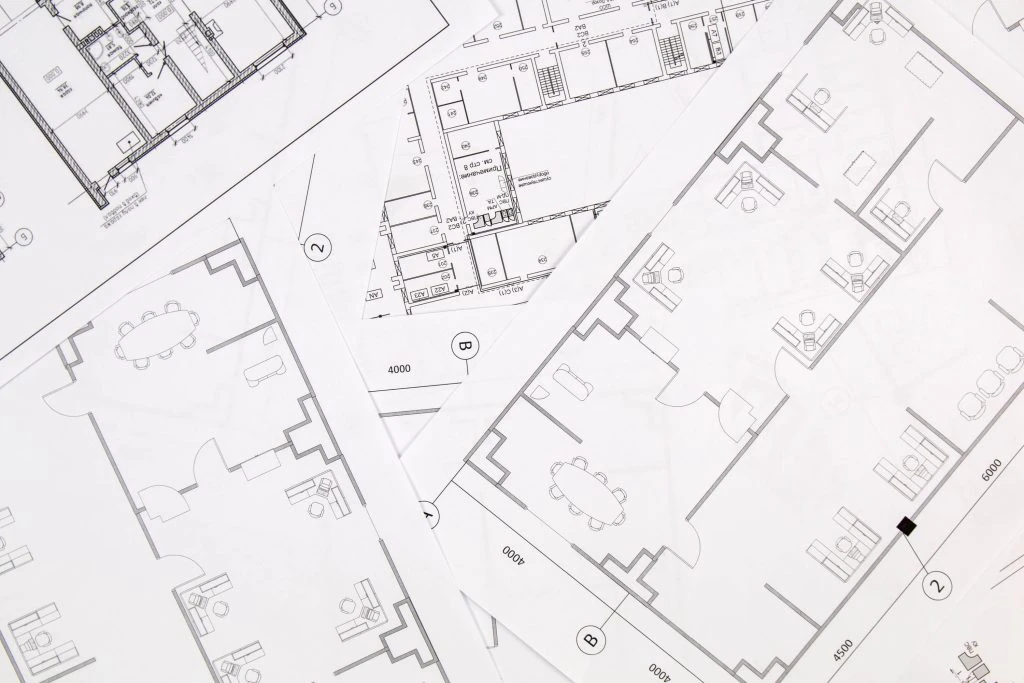
There’s no set amount of office square footage that’s required per employee. OSHA does not have set office space requirements per person. So how do you know how much space you’ll need for your team members? Well, there are a variety of factors that come into play when deciding how much square footage you’ll need. Some, of course, are related to the number of people working in the office, while others address overarching factors beyond your number of employees.
If you want to go by a general rule of thumb, aim for about 75-150 square feet of office space per employee. Of course, this is simply an average office space number and can vary greatly depending on the type of workspace you’ll need.
- If most of your employees will have private offices or semi-private offices (such as for accounting firms or law offices), you’ll need closer to 150-350 square feet per employee.
- For open office layouts or collaborative spaces, around 60-100 square feet per person is usually suitable.
- For conference rooms, you should budget approximately 50 square feet, plus 25 square feet per person attending.
- Importantly, you should also consider how many employees will be working in the office at any given time, and whether some will be working remotely or part time.
In addition to working spaces, don’t forget that some of your building’s square footage will be taken up with other rooms such as bathrooms, a break room or common areas, a cafeteria or lunch room, hallways, mail and filing rooms, a reception area, and maintenance rooms – depending on the type of business.
When calculating the amount of square footage you’ll need, here are the most important questions to ask.
“How Many Employees Will Be Working in the Office Versus Remotely?”
With a rising number of employees working remotely, office space needs continue to change. While the demand for traditional offices is still there, it’s somewhat being replaced as more employees begin to work from home, or work part time in the office and part time remotely.
In addition, many businesses are turning to more creative spaces, encouraging increased team collaboration and employee well being. In certain industries, this trend has led to more airy spaces, opportunity for increased mobility, and more natural lighting.
When calculating how much office space you’ll need per employee, most businesses can no longer go by a simple metric of how many hires the business has. You’ll need to consider how many people are working remotely, as well as how many are working part time. If many of your employees only come into the office part time, consider hot desking. This practice essentially works on a flexible or rotating seating arrangement, rather than allocating specific desk space to each individual employee.
“What Type of Layout Do We Need?”
Next, consider the layout you’ll need depending on the type of business. Are you looking for a traditional office layout with a significant amount of private office space, or a collaborative and flexible workspace with common areas, breakout spaces, and large conference rooms?
Industries in law or accounting will need more square footage per employee for private offices, filing systems, and reception areas.
On the other hand, call centers will have more open spaces with rotating desks, and require a more minimal amount of office space per employee.
Creative workspaces will tend to have larger communal spaces with an open office design, comfortable seating, and perhaps virtual meeting rooms.
Confidential industries (such as counseling, HR, or finance) might need soundproofed rooms and an increased number of private offices.
“What Type of Equipment Do We Have?”
Next, keep in mind that office equipment will take up its own amount of space, which in some cases should be calculated over and above the number of square feet per employee. The type of work, of course, will have a major impact on the amount of space needed for equipment.
For example, those working in IT or other industries with extensive computer equipment will need more desk and office space. Other equipment such as filing cabinets, copy machines, or large machinery should also be taken into account.
“What Changes Do We Anticipate in the Company in the Next 5 Years?”
Lastly, it’s vital to consider what type of changes might take place in the office in the next few years or during the lease period. Does the company predict future growth and new hires? Will more employees be moving to remote work? Is downsizing anticipated to take place?
If growth is expected in the near future, be sure to budget additional office space to leave ample room for new employees.
Still Not Sure How Much Office Space You Need?
Working off of the general guidelines for office space listed above can be tricky if you need a mixture of different types of workrooms, or if you have a variety of different types of employees (full time, part time, and remote).
If you need a starting point for finding the right amount of square footage on your office space search, using an office space calculator can be helpful. While many office space calculator tools have the ability to take many factors into account in order to give you a rough guide on square footage, keep in mind that this number should only be used as a starting point and won’t be able to factor in the more specific needs of your company.
FAQs on How to Calculate Office Space per Employee
How much office space per employee is average?
While there’s no set number, a good rule of thumb is to budget for 75-150 square feet of office space per employee. In a cubicle setup or collaborative space, fewer square feet may be needed. However, in an enclosed or private office setup, 150 square feet or more may be needed for each person.
How much office space is required per person?
OSHA doesn’t require a set amount of office space per person.
Industry research suggests that cramped, cluttered spaces can decrease worker satisfaction. On the other hand, spaces that are too large or open also tend to lower employee satisfaction and lead to more sick days.
It’s important to think through factors such as office functionality, type of work, collaboration, flexibility, noise level, remote workers, and amenities when deciding how much office space you need per employee.
Is it better to have too much or too little office space?
Having too much or having too little office space both have their drawbacks. Effectively assessing potential growth can help a company decide whether it’s better to overestimate or underestimate the amount of space that’s needed.
In some cases, tenants have the option to sublease excess space, which is a great opportunity for recuperating some lease costs while still enjoying the flexibility to potentially use the space in the future.
What are creative office spaces?
“Creative” office spaces are becoming more popular. These spaces diverge from traditional office layouts and incorporate innovative features such as collaborative areas, natural light, greenery, outdoor workstations, modern art, industrial design features, well-planed lounge areas, and more. They’re designed to boost inspiration and creativity while also increasing productivity.
Finding Office Space in Metro Charlotte, NC
The Queen City of Charlotte is a vibrant hub for entrepreneurs and established businesses alike. It’s home to the Charlotte Douglas International Airport as well as a busy network of major highways that make both local and national/international travel convenient. While the metropolitan area boasts modern infrastructure and numerous business opportunities, surrounding submarkets each offer their own advantages.
From small office bungalows to sprawling modern complexes, the Charlotte neighborhoods have a fit for every type of business.
Location, building class, amenities, square footage, and layout all play a factor in the price of Charlotte office space. While the average office lease around Charlotte tends to fall in the $28/sf/yr range, many of the more rural areas offer more economical options for as low as $18/sf/yr.
Find Your Next Office Space With Regent Commercial Real Estate
At Regent Commercial Real Estate, we’ve spent over a decade helping clients find their ideal commercial space all throughout the greater Charlotte area. No matter your specific needs for your office location, we’re here to help you pin down the space that will best allow your business to grow and thrive. With nearly 1000 successful commercial real estate transactions in the books, we can help you weigh your office space needs to find the building that will bolster employee morale, improve productivity, and propel your business forward.
From your initial custom market report to negotiation to move in, we’re here for you.
Ready to get started? Contact us today.
Share This Story, Choose Your Platform!
About the Author: Brian Smith, SIOR | CCIM | MBA

Related Posts




What our clients are saying


Unlock Exclusive Commercial
Property Listings