Tips for Negotiating and Maximizing Your Tenant Improvement Allowance
When properly negotiated, a tenant improvement allowance can save your business thousands and maximize profitability in the workplace. A TIA allows tenants to customize a commercial space in order to better fit the business’s needs, while also benefiting the landlord by increasing the property’s value.
What is a Tenant Improvement Allowance?
A tenant improvement allowance (also known as a TIA, TI allowance, tenant allowance [TA], or leasehold improvements) is a sum of money that a landlord pays to cover construction costs and other improvements made to their property. This agreement is typically made at the start of a commercial lease, and allows the tenant to update the building in a way that fits the company’s specific business needs.
At the same time, tenant improvements benefit the landlord by increasing the property’s value and updating elements of the building that will maximize its profitability in the long run.
Common tenant improvements include upgraded HVAC systems, plumbing installation, electrical work, addition or demolition of walls or partitions, painting, flooring, carpet, and more.
For tenants, effective TIA negotiation can significantly improve the leased space while also keeping costs low.
How is a Tenant Improvement Allowance Calculated?
A tenant improvement allowance is usually expressed as a dollar amount per square foot. For example, if a landlord offers $30 per square foot for a 5,000 square foot building, the tenant will receive $150,000 to cover tenant improvement costs.
A tenant improvement allowance is not a loan. The agreed-upon amount of money is what a landlord gives to the tenant for the cost of the improvements, and it does not need to be paid back, nor does it collect interest.
Typically, tenants pay for the improvement project out of pocket first, and then are reimbursed by the landlord after submitting documentation. It’s important to note that a TIA allowance only covers eligible costs (which we’ll go over below).
In some cases, the landlord will pay contractors directly. Rarely, the landlord will provide a lump sum payment up front for the tenant to use.
Tenants must keep close track of incurred costs, since the landlord will only provide reimbursement up to the agreed-upon amount.
What Factors Affect a Tenant Improvement Allowance?
The exact amount of a tenant improvement allowance can fluctuate based on various factors, such as the type of commercial property, lease length, real estate market factors, and the tenant’s creditworthiness.
Landlords will sometimes negotiate a higher financial incentive in exchange for longer lease terms.
On average, TI allowances range from $20-$60 per square foot.
What Does a Tenant Improvement Allowance Cover?
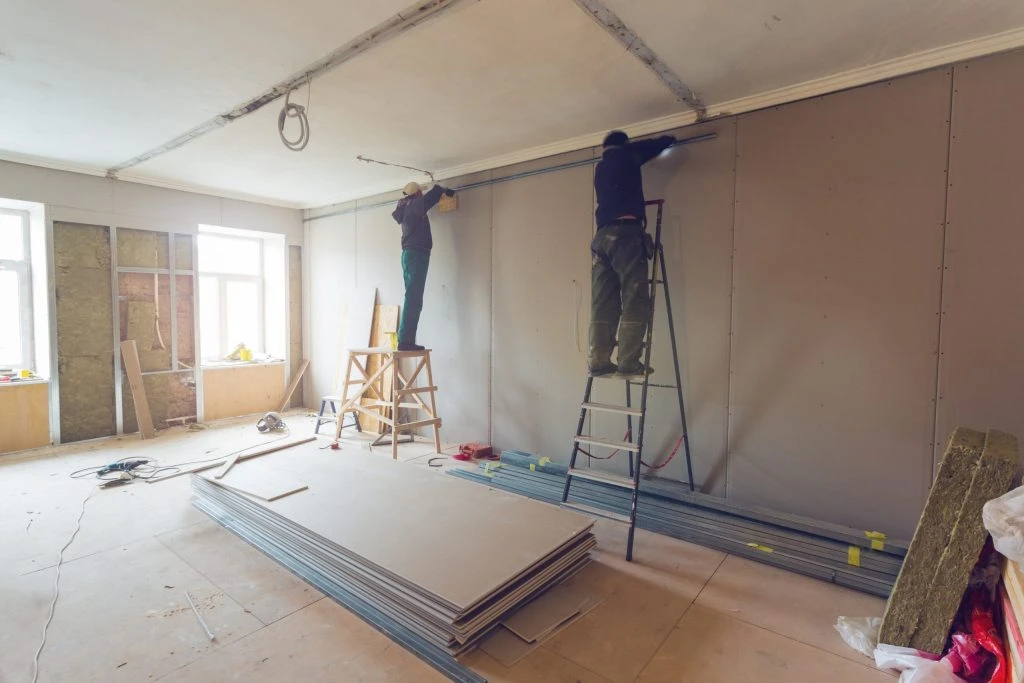
Tenant improvement allowances generally cover permanent improvements that are directly related to the building. These can include upgrades such as:
- Painting walls
- Installation of carpet or flooring
- Demolition or construction of walls or partitions
- New or upgraded electrical systems
- HVAC equipment upgrades or additions
- New windows or blinds
- Installation or modification of ceilings
- Lighting upgrades
- Permanent cabling or other technology or security upgrades
They typically do not cover non-permanent improvements, furniture, or company-specific items, such as:
- Moveable furniture or fixtures
- Wall art or company-specific decor
- Company signage
- Business-specific equipment (such as computers, printers, or point-of-sale systems)
- Moving expenses
Tenant improvement dollars can go toward hard costs and soft costs, although hard costs are the most common.
Hard costs include construction fees, labor, and materials, while soft costs include legal fees, permit fees, and architectural and engineering fees.
Here are some examples of how a tenant improvement allowance could impact your lease in each category of commercial real estate.
Office

A well-set-up office building can have a major impact on the wellbeing and productivity of its employees. In a new office space, a TIA can allow prospective tenants to reconfigure the layout for their specific needs. This may mean making structural changes such as adding new walls for conference rooms or private offices.
In an office, a TIA may also be used to upgrade flooring and lighting, improve technology infrastructure to support the work model (such as for hybrid work), or create a more modern space.
Not only can these types of changes attract talent and enhance productivity, but they also make the space more magnetic for future tenants, which allows the property owner to maximize his or her ROI in the future.
Industrial
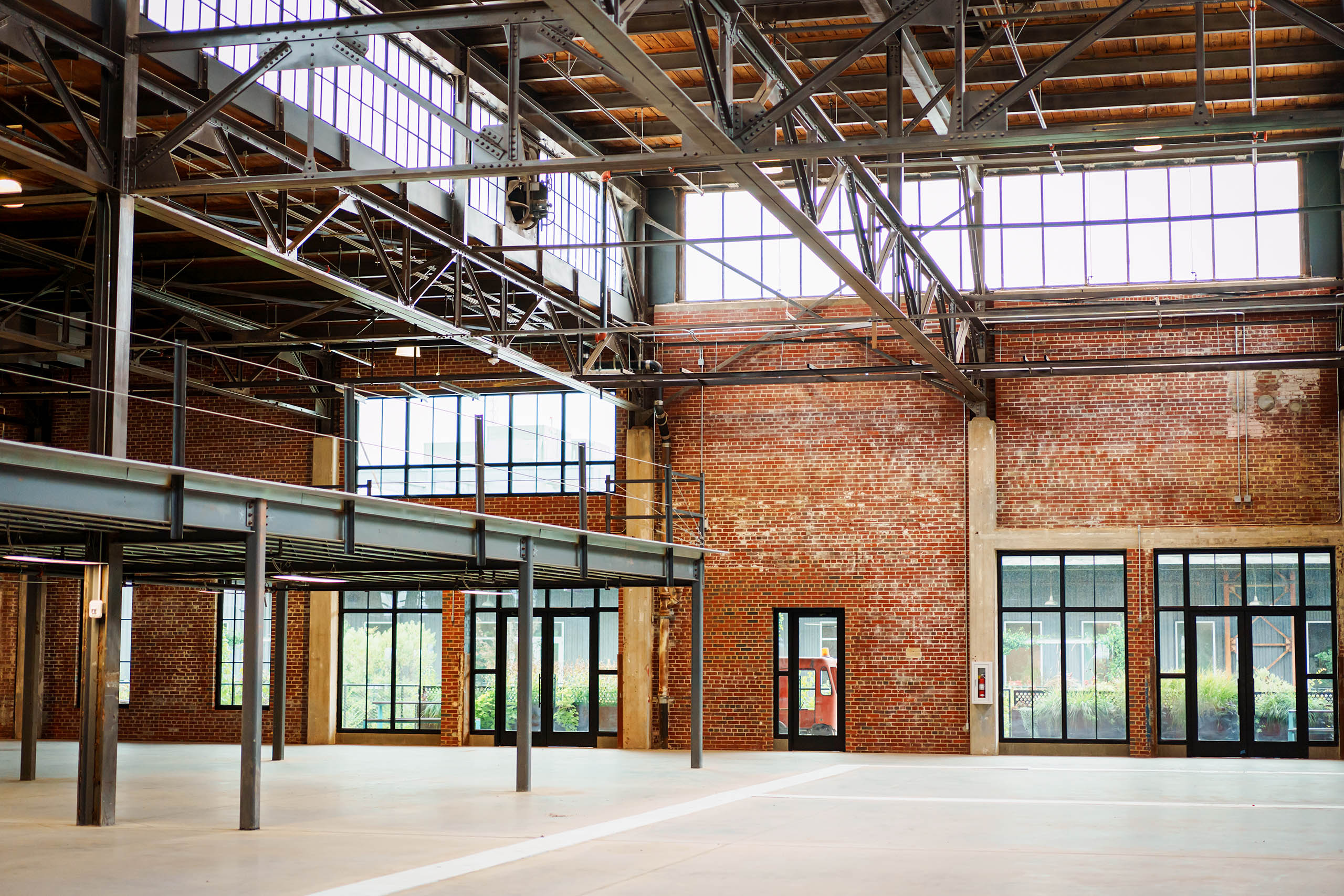
In an industrial space, a TIA can be used to make necessary changes that maximize the building’s usefulness according to the tenant’s needs. Examples may include improved loading docks, energy-efficient lighting, installation of specialized machinery, or upgraded break areas.
Keep in mind that TIAs typically cover changes that will benefit not only the current tenant, but the next tenant as well. In industrial buildings, these types of improvements can increase efficiency and safety in the workplace.
Flex
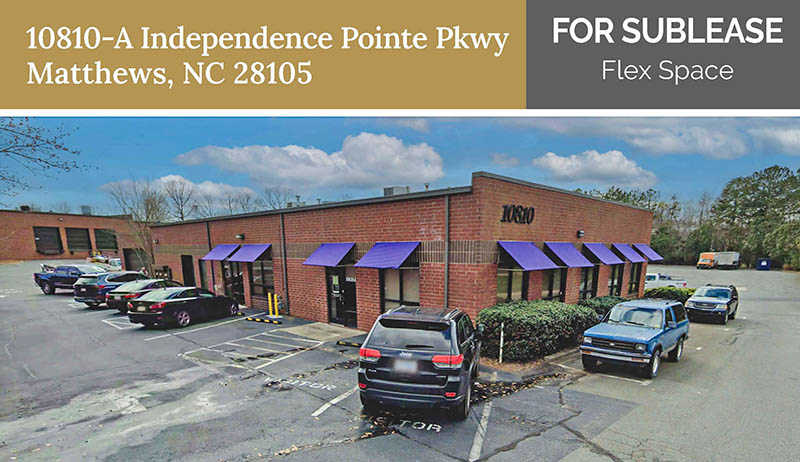
In flex spaces, tenant improvement dollars may go toward the warehouse portion of the building, or the office portion, or both, depending on the tenant’s needs in the new space. Changes to the building might include installing modular walls, upgrading technology wiring to support different business activities, creating new storage spaces, or upgrading HVAC systems.
While meeting the needs of the specific tenant may be the most important factor, these types of changes also increase the property value even after the tenant moves on. This makes the flex space even more versatile for future high-quality tenants who need a flexible space for office and warehouse/manufacturing needs.
Warehouse
In a warehouse, tenant improvement allowances can be used to increase storage capacity, improve worker safety, and better support logistics and distribution. For example, TIAs could cover commercial fire sprinkler systems, improved security features, racking systems, restroom upgrades, and more.
Other changes might include dedicated loading docks, conveyor systems, or specialized lighting that improve the everyday procedures of the tenant.
Industrial Outdoor Storage (IOS)

Because industrial outdoor storage properties are often comprised largely of outdoor elements, a TIA on this type of property might cover more outdoor costs than it would for other property types.
For example, a tenant improvement project on an IOS property might include grading the lot, installing fencing, or improving security lighting. In addition, it could also include a new modular office trailer or a shed for equipment storage.
Retail
For retail spaces, tenant improvements generally include upgrades that make the building more attractive, optimize displays, or create a more useful space for customers. Upgrades might include adding more fitting rooms, installing specialty lighting, increasing storage, or upgrading to handicap-accessible restrooms.
In a retail space, these types of changes help the flow of the store, create a more aesthetically-pleasing environment, and improve the overall customer experience.
How to Negotiate a Tenant Improvement Allowance
Proper negotiating skills can help you maximize your tenant improvement allowance. Here are some tips for better negotiation during the process.
1. Research first
Before you even start negotiation, be sure to research average TIAs in your area and within the property type. In addition, consider the changes you would want to make to the property, and research the approximate costs of materials and labor for your build-out needs.
2. Ask to extend the lease terms
Often, landlords are willing to offer higher TIAs in exchange for longer lease terms. A longer lease means lower costs, lower risk of vacancy, and better efficiency for the property owner.
If a long-term lease fits with your business needs, use it to your advantage and request a higher TIA.
3. Compile financial documents
Financial documents can help prove to a landlord that they’re getting a high-quality tenant. Take the time to compile a profit and loss statement, balance sheets, revenue projections, and a positive history of timely rent payments.
These statements can highlight your credibility and show the landlord that you’re a low-risk tenant.
4. Request a turn-key agreement
In a turn-key agreement, the landlord not only provides funding for improvements, but also handles all of the logistics of the build-out process, including planning, overseeing the construction process, and ensuring the space is completely ready for the tenant to move in.
This can be a good option for business owners who may not have the time or know-how to plan and oversee the improvement projects.
5. Work with an expert negotiator
Commercial lease agreements are long and complicated, and negotiating the TIA is just one step of the process. Working with an experienced broker gives you a leg up throughout the many detailed steps of the leasing process.
Local brokers are up to date on current market conditions, available properties, and typical TIA rates. Using industry connections, market knowledge, and negotiation experience, they can help you secure the best deal on your new lease.
If you’re searching for a commercial property around the metro Charlotte, NC area, our experienced team at Regent Commercial Real Estate is here to help.
Pro Tips for Maximizing Your TIA
Regardless of the amount you receive, here are a few tips you should know for making the most of your tenant improvement funds.
1. List your desired improvements in order of importance
You may not be able to make every desired change, so prioritize the ones that have the maximum impact. Whether it’s structural, lighting, HVAC, or tech-related, start with the improvements that give you the biggest bang for your buck.
2. Get multiple estimates
To avoid paying more than you have to, get at least 3 competitive bids from different contractors. Make sure to take into account the quality of their work and past reviews.
3. Audit construction invoices
Keep an eye on construction invoices to prevent overbilling. Make sure that each project was completed as billed and that no extra fees were added.
4. Phase renovations
If funds are limited, phase renovations to spread out the costs. Again, start with projects that have the maximum impact for your business, and save less important projects for later, if and when more funds are available.
5. Keep track of expenses
Use a project management tool or a detailed spreadsheet to keep track of projects and expenses. Plan to review it regularly to make sure you’re still on track.
In addition, it’s a good idea to plan for unexpected costs as well as rising labor and material prices.
Common TIA Pitfalls to Avoid
When negotiating and using your TIA, certain mistakes can be costly. Here are 5 major pitfalls to avoid.
1. Missing reimbursement deadlines
Make sure you have a clear understanding of your landlord’s deadlines for reimbursement. Mark important dates and be sure to submit bills on time in order to avoid missing repayment.
2. Poor documentation
Without thorough and organized documentation of your expenses, you could be denied reimbursement. Keep a careful track of your expenses as required by your landlord.
3. Not negotiating terms
Don’t take the first TIA amount your landlord offers without negotiation. You can negotiate the amount, scope, timeline, and flexibility of the TIA to secure the best deal for your needs.
4. Not clarifying coverage
Be sure to clarify exactly what types of projects and costs are covered. Remember that while structural changes, permanent fixtures, and upgraded systems are typically covered, furniture, signage, and business-specific equipment are usually not.
5. Forgetting about permits and codes
Don’t forget to take into account permits and legal fees (or “soft costs”) in your planning. These are sometimes covered by the TIA, and sometimes they are not. Either way, budget for the extra expense.
Forgetting to pull permits and follow codes can also lead to delays and extra costs.
FAQs About Tenant Improvement Allowances
How much is an average tenant improvement allowance?
$20-$60 per square foot is average for a TIA in the United States. This number, however, can be much higher for Class A buildings in metro areas. Longer leases also tend to offer higher TIAs. Lower cost areas and buildings with shorter lease terms typically offer TIAs on the lower end of the spectrum.
Do you have to pay back a tenant improvement allowance?
No. A tenant improvement allowance is not a loan. Instead, it’s a dollar amount that a landlord agrees to pay in order to cover property improvements, and is worked into the lease agreement.
While it does not need to be paid back, a tenant improvement allowance only covers specific and agreed-upon upgrades to the building, which are typically items that will increase the property’s value in the long run.
How are tenant improvement allowances negotiated?
Tenant improvement allowances may be negotiated based on factors such as the property’s condition, the length of the lease, the amount of space, the tenant’s credit history, the rental rate, market conditions, and more. Providing a detailed renovation plan can also help tenants to justify a higher TIA.
The amount of the allowance is usually expressed by a dollar amount per square foot.
A tenant rep broker can be an invaluable asset in leveraging market research in order to negotiate a better TIA.
Regent CRE Is Here to Help
With over a decade of experience in the greater Charlotte commercial real estate market, we know how to negotiate tenant improvement allowances to help you secure the best deal for your needs. We’re deeply acquainted with market trends, building availability, and typical TIA rates around the metro Charlotte neighborhoods of North and South Carolina.
When you work with our team to lease your next commercial property, you don’t have to worry about negotiating, missing important details, or wondering whether you’re getting a good deal. We’ll be right there through every step of the process, maximizing your available funds and helping you secure the best building for your business needs.
Ready to get started? Contact us today – we’re here to help!
Share This Story, Choose Your Platform!
About the Author: Brian Smith, SIOR | CCIM | MBA

Related Posts



What our clients are saying

Unlock Exclusive Commercial
Property Listings