Lease Office Space in Charlotte, NC, With Zero Hassle
Say goodbye to the tedious process of leasing office space. Regent CRE is the fastest, most effective resource for closing deals in Charlotte’s commercial real estate market. Whether you’re a startup or an established enterprise, we offer access to exclusive listings through specialized industry search tools. Gain access to our services at no additional cost to you.
Benefits of Partnering With Regent CRE:
- Fast, Comprehensive Property Searches: Eliminate the hassle of sorting through listings with our custom market reports.
- Expert Negotiation Tactics: Secure the best deal possible.
- Closing Assistance: Seal the deal and begin operating in your new office space with expert guidance.
- Save Time: Focus on your company’s transition while we manage the entire leasing process for you.
- Maximize Your Budget: Leverage our market expertise to find cost-effective office spaces and favorable lease terms.
Our distinction lies in our personalized approach. Get started with your free market report today. Can’t find what you need? Give us a call, and we’ll help you find it.
Find Office Space
Find the Perfect Office Space in Charlotte, NC

Move-in Ready Prime Office/Warehouse Sublease in West Park X – 4542 L B Mcleod Rd #A1, Orlando, FL 32811
Price on call



Office Space in Charlotte MSA
The city of Charlotte, North Carolina is a fast-growing metropolitan area that’s bursting with opportunities. Charlotte is the largest city in North Carolina, and has grown exponentially over the last decade. Currently, the population of the greater Charlotte metropolitan area is about 2.76 million people.
This flourishing area of North Carolina borders South Carolina, and both downtown Charlotte and its surrounding cities hold a variety of office space options for sale, lease, and rent.
Why Charlotte?
The growing city of Charlotte and its surrounding areas are well-loved for their beautiful views, friendly neighbors, and rewarding business opportunities.
Charlotte is home to some of the largest banking hubs in the country, including the Bank of America headquarters, making it the second largest banking center in the country (after New York City).
Unlike New York City, however, Charlotte’s streets are filled with small-town charm and friendly faces. Its downtown and suburban areas are filled with growing businesses, exciting new startups, mouthwatering food choices, craft breweries, and more. This combination of thriving business opportunities and a welcoming, historical atmosphere make Charlotte an excellent place to both live and work.
Charlotte is also home to the Charlotte Douglas International Airport, which is known for being one of the 10 most connected airports in the world. Located near the business district, this interconnected airport makes it easy to connect with other professionals whether you’re coming or going.
Top Office Space Considerations
If you’re considering renting or buying office space in the Charlotte area, it’s important to take into account your specific needs in choosing your space. Not all office space is created equal, and having a space that fits your needs will go a long way in running a productive and thriving company.
At Regent Commercial Real Estate, it’s of the utmost importance to us to work with our clients to identify a space that best fits your business endeavors. Here are some of the categories that are most important to consider for professionals searching for office space in the Charlotte area.

Building Quality
How can you identify the quality of an office space option? Office spaces are grouped into a subjective framework and are considered either Class A, Class B, or Class C spaces. Typically, the qualities that determine the grouping of an office building include the building’s age, location, infrastructure, the quality of its systems (like HVAC and electrical), available technologies, and other amenities.
Class A
Class A office spaces are the highest quality options in terms of office space. They may boast amenities like marble floors, high-tech security, and high-quality elevator systems. These options are often new or recently updated. However, they can also be older but well-maintained spaces that boast beautiful architecture and are well established in popular areas. These high-quality, well-managed spaces are rightly on the highest end of the budget when it comes to office space.
Class B
Class B spaces are generally functional buildings that are well maintained and located in areas that may not be right in the middle of the action, but are still widely accessible. These buildings may look more modest than Class A spaces, but they are still easy-to-use, comfortable work spaces.
Amenities may include on-site parking, conference rooms, and a cafeteria space.
Class C
Lastly, Class C spaces are offices that are usually located in less desirable areas, may need some maintenance, or are largely outdated. These spaces are often purchased by investors who are looking for a fixer-upper project to take on. Often, they need technology updates or structural renovation.
Class C spaces are often used for businesses who work offsite and need a home base. Understandably, they are the most budget-friendly spaces and have low rental rates. Still, it is important to consider the investment cost of any necessary updates and repairs that will need to be made when considering a Class C office space.
Size and Layout
Although the internal components of an office space might be able to be changed, the actual number of square feet is something that cannot easily be altered. When you’re considering your needs for an office space, the size you’ll need is one of the first factors you’ll want to nail down.
Right away, you’ll need to decide how many people you want your office to accommodate. The layout will also play a role in the decision of how much space you need per person.
BOMA proposed square footage requirements based on the categories of space available.
For example, for open-plan layouts, budget for approximately 60-125 square feet per person.
Semi-private offices will require about 150-250 square feet for each employee.
And private offices will need between 200-400 square feet per person.
Although layout may be able to be adjusted (depending on your contract and whether you rent, lease, or buy), you’ll still want to consider whether an office space fits your layout needs. For example, do you need a conference room? Virtual offices or coworking spaces? Common areas? Take into account how well the layout of the listings you consider will fit your business needs.


Location and Transportation
The Charlotte area provides a number of excellent transport links through the Charlotte Area Transit System (CATS), including the LYNX Blue Line light rail, the bus system, bike routes, and even electric scooters.
The LYNX Blue Line is a 18.9 mile north-south route with 26 stops. It starts at the University of North Carolina Charlotte campus in University City and travels south west through NoDa, Uptown, South End, and down to Pineville.
For many businesses, these central cities offer a preferred location for long-term office space due to their ease of access for employees via the public transport options.
In every industry, considering the employee pool in the local market is an important factor to take into account when choosing office space. While many professionals value a short walk to the office, other industries may do better in the quieter or more upscale neighborhoods on the outskirts of town. Still, others might find top talent in the valuable employee pool of young professionals around UNCC in University City.
If you’re not sure what neighborhood is best for your employee base, we can help. We’ve worked with hundreds of business owners and are here to provide insider insight on top potential locations for your industry in relation to both the talent pool and your customer base.
Employee Retention and Amenities
Employee retention is becoming more and more important as more industries and professionals turn to remote work and as employees prioritize a better work-life balance. A number of other factors have led to the difficulty of retaining employees, including the impact of ever-improving technology, a greater emphasis on personal development, and the overall culture of Gen Z.
What should employers do? When it comes to office space, choosing a location with the right amenities can go a long way. These might include:
- A gym or fitness center
- Comfortable break rooms
- Convenient parking or local transportation options
- Barista-made coffee
- Outdoor spaces
- High-tech security and secure building access
- Reliable Wi-Fi
- Proximity to entertainment venues, dining options, and convenience stores
The right amenities contribute to a professional image and can have a significant impact when it comes to keeping employee morale up so that employees stay engaged and productive.


Rent Vs. Lease Vs. Buy
Building quality, location, size and layout, and the price of your office space should all be major considerations to take into account when choosing a space to use. Additionally, the decision about whether you rent, lease, or buy your office space is an important factor when considering your next steps.
Each decision has its pros and cons. At Regent Commercial Real Estate, this choice is an important factor that we discuss with each of our clients who are forming their next plans for finding office space.

Renting Office Space – Pros and Cons
Renting office space offers the greatest amount of flexibility from these three options. Most rentals offer shorter-term options in comparison to leasing or buying. This provides room to pivot and change plans more easily when needed without being stuck in a long commitment. Because of this, renting tends to be an excellent option for new business startups and small businesses, freelancers, or anyone who prefers the ease of moving often or on short notice.
Other benefits of renting are that there are generally fewer responsibilities with this option. If your goal is to head to the office each morning and leave each night without having to worry about building upkeep and maintenance, renting is probably for you. You may also be able to rent a nicer property in a nicer area than you could afford to buy.
A main downside of renting is that you won’t build equity. In addition, you may not have control over your rental rates, and rent may increase over time. Additionally, renters are never promised excellent landlord relationships, so this can be a factor of frustration for some (or, you may have a great relationship with your landlord!).

Leasing Office Space – Pros and Cons
Leasing office space is sometimes confused with renting office space. The two are very similar options compared to buying, but they do have a few major differences.
In general, office space leases are often signed for longer periods of time than rentals. On top of this, those who lease usually have more responsibilities for the property compared to renters.
There are four main types of leases:
- Gross/Full Service Lease
- Net Lease
- Modified Gross Lease
- Percentage Lease
Finding out the type of lease that your potential landlord is offering will help you to determine the specifics of your contract. It’s important to make sure that you fully understand your contract and the terms of the lease before signing an agreement. This is where having an experienced tenant representative professional in the field of commercial real estate can save you hundreds or thousands of dollars over time (and it probably won’t cost you any more to have one!)
The pros of leasing are that you have less responsibility for the property than you would if you were buying.
The downsides, however, are that you will not be able to build equity on the property, nor will you be able to make unlimited changes or upgrades, since you’ll need to check with your landlord first in most cases.

Buying Office Space – Pros and Cons
The last option is to buy your office space. Most notably, a major benefit of buying your own office space is that you can do whatever you want with it. It’s your property, so feel free to make upgrades, expand, or even sell your property on your time and your terms. Of course, you also get to build equity on your property while you own it.
The downsides of buying office space is that there’s a lot more responsibility on your part – both physically and financially. When you own your own space, you’ll need to make sure that it’s kept up and taken care of. Additionally, of course, buying office space can be a significant investment financially compared to the much smaller monthly commitment of renting or leasing.
Buying is usually a good choice for established businesses who also feel confident in their location choice.
What our clients are saying


Types of Office Spaces
Office spaces can often be classified into different types. Some of the most common office types you’ll hear include traditional office space, shared office space, creative space, medical offices, and flex space. Let’s take a look at the differences between these office options.
Traditional Office Space
A traditional office space is commonly used by just one business and is set up much like you would picture a typical office setting. These types of spaces are most often used by businesses in the finance sector, law firms, and similar industries.
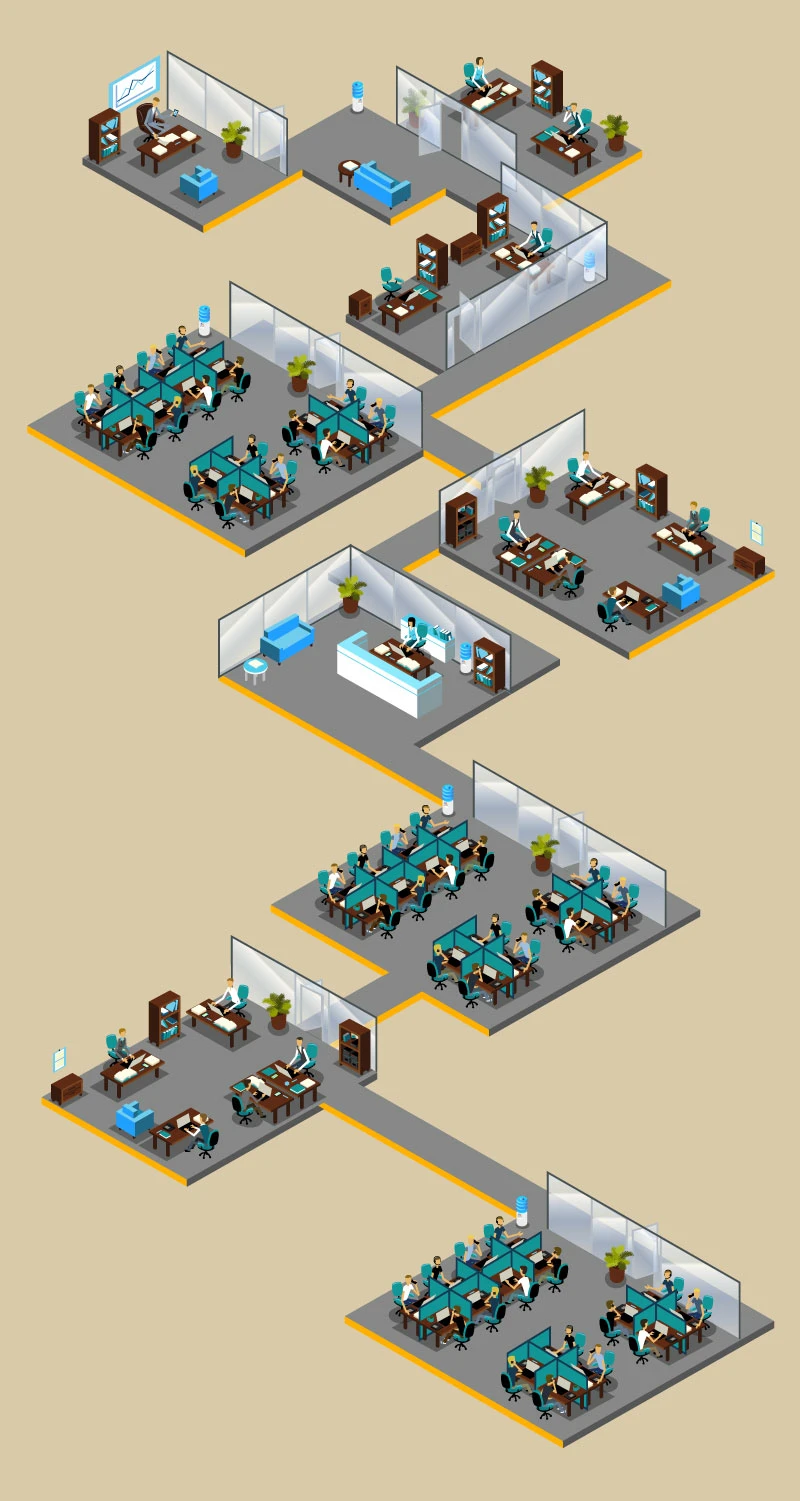
Traditional office buildings are usually made up of private office suites or cubicles as well as common meeting areas and usually at least one large conference room. Reception areas and break rooms are other common components.
Oftentimes, these professional offices are set up with long-term leases (ordinarily about 5-10 years).
Shared Office Space
As its name implies, shared office space – or coworking space – is an option that allows multiple businesses to work together in one building. This lowers the cost for each tenant and provides flexibility. Shared office spaces often come pre-furnished with open floor plans and sometimes offer on-demand access
Coworking spaces make work life more accommodating for startups, small businesses, and companies who desire to give their employees a more flexible environment.
Typically in these buildings, all of the workers share common office amenities. Employees and remote workers may have a dedicated desk or may move around in a common workspace.
Usually, coworking spaces offer more flexible terms. Some give the option for month-to-month membership or pay-as-you-go options, giving small businesses the opportunity to use the space or move on as needed.
Besides flexibility and a lower cost, other benefits of shared office space include the opportunity for networking with other professionals and a creative work environment.

Creative Office Space
The term “creative office space” can bleed into other categories of office space, but its main qualities have more to do with aesthetics than the type of business that works inside of the building.
Creative office spaces tend to cater toward a younger, Gen Z crowd of professionals. It was born out of a desire to stimulate creativity in the work environment. It describes a space that uses thoughtful design elements to foster an environment that’s different from a traditional office building with cubicles.
Some key features of creative space include open floor plans, more natural light, modern furniture, exposed ceilings, and more flexible layouts. Some buildings even integrate a combination of indoor and outdoor workspace, with features like roll-up garage doors, outdoor patios, rooftop decks, or other outdoor seating.
Medical Offices
Medical office buildings (MOBs) are specifically designed to cater to medical needs with features including close proximity to hospitals or medical centers, prominent signage, and convenient parking.
Medical offices are designed with practicality in mind while also giving off a feeling of professionalism and warmth to patients. Large windows, comfortable seating and waiting areas, and soundproofing (for patient confidentiality) are common traits.
In addition, these buildings tend to have updated technology, high-quality HVAC systems, and other advanced infrastructure for supporting the frequent updates in medical equipment.


Office Flex Space
Office flex space is similar to shared office space in that it’s adaptable and often provides more flexibility to the user. It’s often used by service-oriented businesses and is generally located in an easily-accessible location near busy highways or interstates to allow for convenient client access.
The biggest difference between flex space and traditional offices is that flex buildings are usually combined with integrated warehouses. This office/warehouse combination type of building is ideal for smaller businesses who don’t need as much space as larger industrial buildings offer, and who still need a significant portion of office space, too.
Office flex space usually has more adaptable rooms and offers flexible workspace rather than small office rooms and cubicles. Often, there are less windows in the office portion, since part of the building is attached to the warehouse. Although the office space isn’t typically of the same quality as traditional offices, it’s a cost-effective option for taking care of administrative tasks such as telephone answering, design work, and client communication.
Popular Charlotte MSA Neighborhoods
Uptown Charlotte/Central Business District (CBD)
Uptown, also called the Central Business District, is actually the downtown area of Charlotte, NC. This historical name is derived from an old trading path running along the ridgetop, with “Uptown” being the highest point of elevation.
If you’re looking for an office space in the midst of the hustle and bustle of a big city, Uptown Charlotte is a high-action, opportune spot, which is especially popular for young professionals.
Available office spaces for rent in the Central Business District average around $30/sf/yr. Nearly all of the buildings in Uptown are high quality and in advantageous spots, so they fall into either building Class A or Class B.
These spaces range from 700 square foot suites to 500,000 square foot buildings. Uptown – the heart of Charlotte – also holds many of the tallest available office buildings in the Charlotte area.
Office space properties for sale in the Central Business District include free-standing buildings as well as condominiums. The average cost of for sale properties is $374/sf.


Plenty of Options for Office Space in South End, Charlotte NC
South End and Midtown
A popular area for millennials, the South End/Midtown area is the hottest market for office space, with rental prices averaging $35/sf/yr. This area not only holds plenty of fresh, new office spaces, but also modern, new apartments for those who want a quick commute.
From mansions to floor-to-ceiling glass towers to converted houses, this popular area truly has something for everyone. Spaces range from 500 square feet to over 300,000 square feet, and there are available options in building class A, B, and C.
Although the average rental price is around $35/sf/yr, renters can find spaces ranging from $20sf/yr to $50sf/yr depending on your preferences. There are many different options in this hot area, but they do go fast!
Ballantyne and Blakeney
Ideal for families, Ballantyne and Blakeney not only have a variety of excellent office space available, but it’s also one of the hottest suburban markets in the Charlotte area. If you’re a young professional or have a young family, you’ll fit right in to this growing area.
This part of the greater Charlotte area is located on the southeast side where the light rail ends. As an upcoming shopping district and with easy access to Uptown, office space in this area provides rich opportunity.
The average rental price in Ballantyne and Blakeney is $34/sf/yr, and nearly all of the rentals fall into Class A or Class B. If you’re looking to open a retail space, this area is an excellent choice to consider.

Find Opportunities for Office Space in Ballantyne, NC

Airport Neighborhood
In the Airport area, the average cost of office rental space is $23/sf/yr, with office suites, buildings, office parks, and customizable spaces ranging from 208 square feet to 79,000 square feet. With a variety of different building types, this neighborhood offers available offices in building class A, B, and C.
Mccullough Dr. is one of the more popular areas for office space within this region, and features large office parks only minutes from I-85, and less than 30 minutes from the Charlotte Douglas International Airport.
The Airport district also has a number of office buildings for sale. Most of these are free-standing buildings and fall into building Class B or Class C. The average cost of office buildings for sale in this area is $368/sf.
With the Airport neighborhood boasting perhaps the largest concentration of office spaces in the Carolinas, this is an excellent neighborhood to start with on your search.
SouthPark
SouthPark (or south Charlotte), is home to the SouthPark Mall, which is packed with high-end retail shopping options. If you want the convenience of a mall close by, you might consider renting office space in SouthPark!
The office space available in the SouthPark area mainly consists of upscale, modern developments and large complexes. Fairview Plaza III located on Fairview Road is a hub for office space in the southern side of town. In this area, office space averages approximately $38/sf/yr.

Office Space in SouthPark Neighborhood of Charlotte, NC

Lake Norman, NC
Lake Norman Area: Davidson, Cornelius, Huntersville, Mooresville, and Denver
This northern area of Charlotte near beautiful Lake Norman includes the towns of Davidson, Cornelius, Huntersville, Mooresville, and Denver. This area boasts beautiful, waterfront properties and is home to many of the wealthier residents of the Charlotte area.
You may be surprised to find that office space for rent in this area averages only $24/sf/yr. If you’re looking to rent a space in an upscale, beautiful part of North Carolina, you can’t miss checking out the Lake Norman area. Options in this area fall mostly in Class A and Class B spaces, with some Class C offices available.
The Lake Norman communities also offer office properties for sale, mostly falling into the 1,000-6,000 square foot range. The average cost of for sale properties in this area is approximately $334/sf.
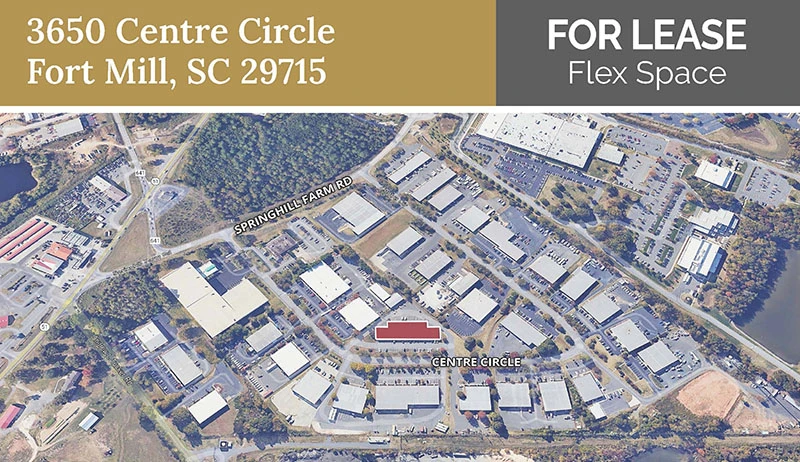
Fort Mill, Indian Land and Rock Hill
These peaceful Charlotte suburbs are actually located just over the state line in South Carolina, but they’re still only about a 30-45 minute commute to Charlotte. If you’re looking for an office that gives you some space from the city but still has close access to a large, metropolitan area, the Fort Mill/Indian Land/Rock Hill area may be just right for you.
These areas are popular for families and seniors who are looking to get outside the city. They’re also known for their charming, Southern hospitality and welcoming local businesses.

Office Space in Rock Hill, SC
Office space for rent in this area ranges from as low as $8/sf/yr up to $102/sf/yr for some of the most popular executive suites with highway frontage. The average office space rental rates in these neighborhoods run at about $28/sf/yr.
This area has a large selection of free-standing office spaces that are perfect for medical offices or consultants. You’ll also find a selection of larger office complexes in these neighborhoods. Most offices are in Class A and Class B, with some Class C buildings available.
This area also offers office spaces for sale, which mostly fall into Class B and Class C buildings. The average cost of office space for sale in Fort Mill, Indian Land, and Rock Hill is $224/sf.
Matthews and Indian Trail
These submarkets of Charlotte are charming communities that offer the benefit of being close to Uptown without actually being in Uptown. While Matthews and Indian Trail are rapidly growing, these quaint areas are often known for their fun, small-town events and their delicious restaurants, wineries, and breweries.
In this area, office space averages around $23/sf/yr for rental properties and $206/sf for office space that’s for sale. It holds mostly smaller-sized office buildings and suites, with small, 150 square foot spaces up to 12,000 square foot buildings. These affordable options mostly fall into Class B and Class C in the Matthews and Indian Trail neighborhoods.

Matthews, NC Town Hall and Library – Maximize Your Commercial Real Estate Investment in Matthews

Experience Commercial Real Estate Success in Kannapolis, NC
Harrisburg, Concord, and Kannapolis
The Harrisburg/Concord/Kannapolis submarket of Charlotte is located on the northeastern side of the city. Office space in this area is affordable and costs around $21/sf/yr. This northeastern part of Charlotte is well-known for its family-oriented environment, excellent Parks and Recreation program, and wonderful Fourth of July festival.
In these three cities, you’ll find the largest concentration of office space for rent in Concord. Many of the available buildings run in the 1,000-3,000 square foot range, although there are larger and smaller options available. With economical pricing, you can find a variety of options in Class A, Class B, and Class C in this market of Charlotte.
These cities also offer a number of office spaces for sale. Many of the options available in these cities are excellent for medical offices, law firms, CPA practices, and similar businesses. The average cost of office space for sale in this Charlotte suburb is $360/sf.
Belmont and Gastonia
Belmont and Gastonia feature affordable office spaces for rent at an average rate of $18/sf/yr. These suburban areas are west of Uptown, Charlotte. This part of the greater Charlotte area is known for its stunning landscape and variety of beautiful scenery to explore. It’s also well-loved as being home to the Gastonia Farmers Market. If you want quick access to fresh foods on your way to the office or on your lunch break, the Gastonia area may be the place for you!
Belmont and Gastonia also offer a number of office spaces for sale, including both industrial and commercial options. The average cost of these for sale options is around $219/sf.
Many of the office spaces in this area are located in slightly older buildings, so you’ll find a number of Class C options, with a few newer choices as well. For those who love a small-town, suburban feel and gorgeous views of nature, this area is an excellent choice for office space.

Office Space in Belmont, NC
Commercial Real Estate in the Steele Creek, NC Neighborhood
Steele Creek
This fast-growing market of Charlotte is close to downtown and features a variety of retail spaces and new developments. The Steele Creek area is full of opportunity and provides a wonderful area for commuters that want to be close to downtown but also want less traffic on their commute.
Office space for rent in Steele Creek runs around $33/sf/yr.
Pineville
The fast-growing market of Pineville boasts nearly all the benefits of the big city, but with a small-town feel. It’s home to young professionals and young families, and features highly-rated schools and lots of diversity all in a quiet, safe area.
Office space in this area includes everything from large, commercial buildings to classy condominiums. Most fall into building Class A or Class B. The average price of office space rentals in Pineville is $27/sf/yr for rental properties, and $294/sf for properties that are for sale.

Office Space in Pineville, North Carolina

Office Space in the Charlotte Plaza Midwood Neighborhood
Plaza Midwood
This trendy neighborhood located just northeast of Uptown Charlotte is known for its nightlife scene and its blend of modern and historical. In close proximity to the Uptown area, Plaza Midwood features plenty of options for bars, restaurants, live music venues, and other entertainment. If you love to explore after a long day at the office, this location close to the heart of the city may be a great option for you.
In this hot part of town, office space runs around $32/sf/yr.
Plaza Midwood also offers investment property opportunities, with sale prices averaging $510/sf.
NoDa
NoDa is short for North Davidson Street, the main street of downtown Charlotte. For those who love to be right in the center of the action, you can’t let your office space search come to an end without checking out the options in this part of town.
This area boasts many modern spaces with high traffic exposure. Office space for rent in NoDa averages $32/sf/yr.

Office Space in the Charlotte NoDa Neighborhood
Office Space in the Charlotte University City Neighborhood
University City
The University City submarket, located near UNCC, is home to a variety of options for office space, which average around $27/sf/yr for rental properties. This convenient location is a great place for students to work close to campus.
Office spaces in this area fall mainly into Class A and Class B. The University Executive Park and University East Professional Center are home to some of the largest office complexes in this submarket of Charlotte, NC.
You can also find opportunities for office condos for sale in this area, with investments averaging $269/sf.



Frequently Asked Questions About Office Space in Charlotte, NC
How much does it cost to rent office space in Charlotte, NC?
There are a number of factors that determine the rental cost of office space. Location and accessibility, building class, amenities, parking spaces, size, and layout all play a factor. In the greater Charlotte area, the average cost of office space is around $28 per square foot per year.
Charlotte is one of the fastest-growing cities in North Carolina, making it an ideal spot for professionals to find the right office space to fit your business needs.
Where is the best location for office space near Charlotte, NC?
The Charlotte office space market holds plentiful opportunities for unique office spaces both in the heart of the city and in the submarkets surrounding Charlotte.
If you're looking for available space within walking distance of the city, consider Uptown Charlotte and the Central Business District. These prime locations are full of modern, updated spaces that appeal to young professionals.
If you're looking for a quieter option with plentiful parking and more of a small-town feel, you might enjoy a submarket that's a short drive from the Queen City, such as Fort Mill, Indian Land, Rock Hill, or Pineville.
For the most economical options, you might consider the charming towns of Belmont and Gastonia, where office listings average only $18/sf/yr.
What types of office spaces are available near Charlotte, NC?
The submarkets of the Charlotte MSA are packed with a variety of flexible office space options within the local office market. Whether your ideal office space is a small, renovated bungalow or a modern office complex with floor-to-ceiling windows, meeting rooms, and a fitness center, there are plentiful options to choose from to find the best fit for your business needs.
Why rent office space in Charlotte, NC?
The Queen City of Charlotte is a fast-growing market that's full of new opportunities for entrepreneurs and business people. Charlotte is known for being a major player in the financial services industry, and is the second largest banking center in the United States. It's home to the Charlotte Douglas International Airport, making it a prime location for business travelers, and is convenient to many major highways.
While the metro area of Charlotte is full of bustling opportunities, modern building choices, and prime spots for new business ventures, the submarkets outside the city also have their own perks - sweet southern charm, beautiful views, and many options for traditional office spaces.
Overall, this major center of North Carolina is one of the best places for young entrepreneurs and established business owners alike.
Is it better to buy or lease office space?
Leasing office space tends to be a better choice for smaller businesses, startups, and those who are rapidly growing or expect changes in the business in the foreseeable future. On the other hand, established businesses who have dependable cash flow often prefer to buy in order to build equity on the building.
Leasing comes with less responsibility for the property, smaller upfront costs, and more flexibility for company changes. On the other hand, buying gives you the ability to make any desired changes to the building, build equity in your purchase, and not have to worry about increasing lease rates.
What’s the most common type of lease for office space?
The most common types of commercial leases include:
- Gross/Full Service Lease
- Single Net
- Double Net
- Triple Net
- Modified Gross Lease
- Percentage Lease
A gross lease tends to be common for office properties, but many factors go into play when a lease type is chosen.
When choosing a space, it’s highly important to work with an experienced broker who has a deep understanding of the different lease types and terms. This will ensure that you can comfortably sign a contract that will truly benefit your business for the term of the lease.
What type of office space is best for my business?
Navigating the world of office space in Charlotte can be overwhelming. There are many questions to ask when choosing office space.
- “Should I rent, lease, or buy?”
- “What location is best for my business?”
- “What size space should I look for?”
- “Do I fully understand the terms of my contract?”
Working with an established and experienced commercial real estate specialist is the best way to ensure that you can find an office space that fits your needs at a price that works for your business. At Regent Commercial Real Estate, our process includes walking with you through a market survey to better understand your needs, selecting properties that may be a good fit, and journeying with you through the negotiation and lease agreement process.
Get Started on Your Search for Charlotte Office Space
Ready to find your perfect space in the greater Charlotte, North Carolina area? Our team at Regent CRE is committed to putting your needs first in your property search. With nearly 1,000 transactions under our belt, we have the experience and expertise needed to secure your real estate success.
Whether you’re looking for a unique office space with creative open areas and lots of natural light, or a traditional building with business class printers, fully-furnished conference rooms, and reception areas, we’re honored to help you on your search for the best office space for your business. Our deep knowledge of the Charlotte neighborhoods, comprehensive search database tools, industry connections, prestigious real estate credentials, and genuine interest in each of our clients is what sets us apart in the Charlotte commercial real estate market.
Ready to partner with us? Contact us today – we look forward to serving you!