5 Signs You Should Choose a Shared Warehouse Space Over a Dedicated Warehouse
In the past few years, the e-commerce boom and shifts in demand have caused a wave of businesses to turn to shared warehouse spaces. Working out of a shared environment has become a great option for companies who want to cut costs, gain flexibility, and enjoy a quicker start-up process. If you’re looking for your next lease, here are 5 signs that a shared warehouse space might be the best option for you.
Shared Warehousing Vs. Dedicated Warehousing – What’s the Difference?
What exactly is shared warehousing, anyway?
When a company rents a shared warehouse space, they get to use a portion of an entire warehouse building, while sharing the rest of the building with one or more other businesses. This popular option can make renting a warehouse much more affordable, especially for small businesses and startups.
Shared warehouses are sometimes referred to as multi-client warehousing, co-warehousing space, or a public warehouse. Using this model, businesses usually share some of the resources as well, which may include equipment, loading docks, and even labor.
On the other hand, a dedicated warehouse refers to a building that’s used by only one business. This model is often best for large companies that need a significant amount of inventory space. Because a dedicated warehouse is used by just one company, they have more control over the equipment and space and can often customize the layout and security options to fit their warehousing needs.
Understandably, a dedicated warehouse generally comes with a higher monthly rental rate, which is another reason why it’s usually a better fit for bigger, more established businesses.
Understanding the different warehouse types can help you make an informed decision about which option is the best fit for your business. Choosing the right warehousing model can lead to significant cost savings, more productive operational processes, more engaged employees, timely order fulfillment, and improved customer satisfaction.
5 Signs You Should Be Renting a Shared Warehouse
Here are 5 signs that a shared warehouse space may be the best fit for you.
1. You’re a Small Business with Minimal Inventory
If you’re a small business and don’t have a massive inventory, why pay for and manage more space than you need? Many small business owners find themselves renting too many square feet of dedicated warehouse space. Besides paying more than you have to, this can also lead to frustration and even decrease operational efficiency.
With a shared warehouse space, you have the flexibility to choose the amount of space you need for your specific storage needs.
2. You Need to Cut Costs
Cost efficiency is a major concern for small businesses. Renting a shared warehouse is a simple but extremely impactful way to stretch your financial resources and slash operational expenses.
In a shared warehouse, most of the operational costs are shared between tenants. When you couple this factor with only paying for the amount of space that you need, a shared warehouse layout becomes an incredibly cost-effective solution.
(And as a bonus, most leases are fairly short, so you can always move on later if you need to. See #5 below for more details on lease lengths.)
3. You Want a Flexible Option for Seasonal Surges
A shared space provides greater flexibility for surges in inventory volumes during peak seasons. Shared warehouses often offer the option to temporarily rent more or less space in the building during times of increased seasonal demands.
And in addition to offering temporary flexibility for business operations, shorter lease terms also contribute to better overall adaptability.
4. You Need Existing Infrastructure for a Quick Start
Shared warehouses usually come with pre-existing infrastructure. For startups who don’t have the time or money to get everything set up, this makes it easy to jump into warehouse operations headfirst.
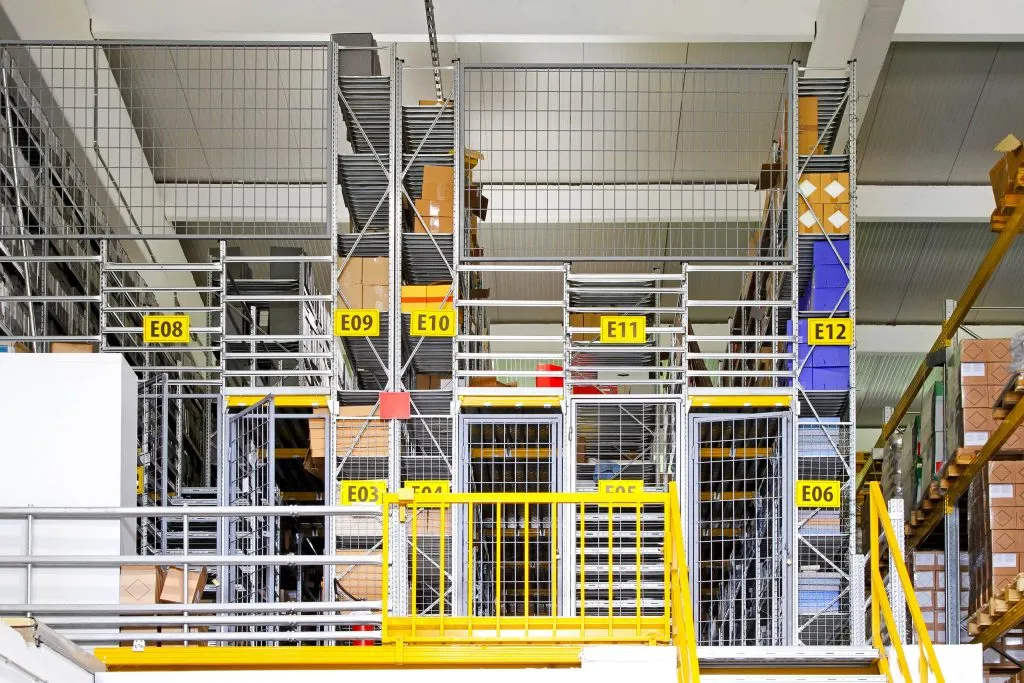
These buildings usually come equipped with pallet racking infrastructure, loading equipment, security systems, and ready-to-go meeting spaces. This collaborative approach means that small businesses can often start generating income much more quickly than they would with a dedicated warehouse.
5. You Don’t Want to Lock In To a Long Lease

While a typical warehouse contract can run from 3-10 years, shared warehouse contracts are usually between 1-3 years. Without a long-term contract, small businesses have the freedom to adapt and embrace business growth without worrying about being stuck in a building that no longer fits.
In our ever-shifting economy, avoiding a long-term commitment is often necessary for small businesses who need to be able to adjust to meet customer needs.
More Reasons to Choose a Shared Warehouse
- Advanced technology. Shared warehouses usually come equipped with advanced technology such as warehouse management systems, which improve automation and control and allow for real-time tracking. These systems lead to timely order fulfillment and allow small businesses to enjoy advanced inventory management systems when they might not otherwise be able to afford them.
- Value-added services. Many shared warehouses also offer other value-added services that streamline processes and improve delivery speed. Some common services that are offered include labeling, repackaging, assembly, and other customized solutions.
What Industries Use Shared Warehousing?
Some of the top industries that are turning to shared warehousing include:
- Startups of all kinds. For startups, shared warehousing provides the option to test the market without making a large upfront investment. It also provides flexibility for the business to change as needed.
- Seasonal businesses. Companies that see significant changes in their inventory needs throughout the year enjoy being able to stretch and contract by taking advantage of shared space. Businesses that sell products associated with holidays, changing weather, and seasonal sports fall into this category.
- E-commerce and online retailers. E-commerce is always adapting, and shared warehousing gives these businesses the freedom to enjoy lower costs and more flexibility while testing new markets in the retail industry.
- Food and beverage. In the food and beverage industry, a shared storage facility allows businesses to use specialized facilities – such as cold-storage units – without the commitment or price tag of a private warehouse.
- Third-Party Logistics Providers (3PLs). A third-party logistics provider can offer more cost-effective distribution solutions to clients by taking advantage of shared warehousing, while also improving supply chain efficiency.
Downsides of Shared Warehousing
While there are significant benefits to renting a shared warehouse space, this type of warehouse model doesn’t fit for every business. Choosing the right type of space is the best way to improve business functions and increase overall revenue. Here are 5 potential drawbacks of choosing this option.
1. Limited control over the facility.
While private warehouses offer nearly complete control over the entire facility, in shared spaces, no single company gets to make all of the decisions about space customization, daily operations, or infrastructure usage. In a cooperative warehouse, there’s typically a site operator who manages the facility and makes decisions to suit the majority.
2. Lack of customization options.
Shared warehouses are typically set up with a floor plan that generally fits a range of business operations throughout a number of different industries. For companies that have very specific needs in regards to tailoring the space and workflow, a dedicated warehouse might be a better option.
3. Conflicts with other tenants.
With multiple businesses sharing space, potential conflicts include conflicting traffic and shipping schedules, as well as competition for space during peak seasons. While dedicated warehousing comes with higher costs, it also gives a company the ability to use the space in whatever way suits the business, even during periods of high demand.
4. Security concerns.
Dedicated warehouses allow a single business to have full control over security measures and systems. This means not only implementing company-specific security protocols, but also protecting sensitive information and products more closely. In shared warehouses, security concerns can be an issue for companies with high asset protection needs.
5. Potentially limited space for future growth.
While shared warehouses offer flexibility to rent more or less space during seasons of fluctuation, the available square footage is still limited and must be split between multiple companies. When a business experiences a large amount of growth during a condensed period of time, shared warehousing can cause problems related to a shortage of overall square footage.
Finding Shared Warehousing in Charlotte, NC
Shared warehousing space is increasing in popularity all over the United States, and metro Charlotte is no exception. With access to a network of highways and interstates, close proximity to the Norfolk Southern Charlotte Regional Intermodal Facility, and a burgeoning economy, the greater Charlotte area is a magnet for both established businesses and startups who are looking for the perfect warehouse space.
No matter your warehouse qualifications, Regent Commercial Real Estate is here to help. With nearly a thousand completed sales and prestigious real estate credentials, lead broker Brian Smith is committed to a careful process that takes into account your unique needs. We know that your time is valuable. Brian uses comprehensive search database tools, network connections, and a commitment to taking the time to get to know your business in order to find the best properties for your needs.
If you’re looking for a guide who can lead you to your perfect property, assist in expert negotiation, and walk you through the process every step of the way, contact Regent today.
Share This Story, Choose Your Platform!
About the Author: Brian Smith, SIOR | CCIM | MBA

Related Posts



What our clients are saying

Unlock Exclusive Commercial
Property Listings